How should the configuration be verified and delivery completed when purchasing a beverage cooler?
Delivery of a beverage cooler should begin during the order confirmation stage, rather than waiting for the transport vehicle to arrive at the store before final inspection. For retail stores planning to organize displays of multiple brands and various specifications of beverages, the actual conditions need to be clearly documented together with the equipment's purpose, configuration, and installation arrangements. Agreement between both parties on the same list helps to verify the appearance, accessories, installation, and usage training separately.
List the shelves, door body, lighting, and price tags, and confirm whether the display photos include non-standard accessories. The usage conditions are confirmed in the specific model documents, and cabinets with similar appearances should not be considered identical in configuration. It is recommended to distinguish in the list between the cabinet or main unit itself, accompanying accessories, items that require on-site preparation, and additional services agreed upon separately. For items not specified, raise questions first and obtain confirmation; do not assume based on items shown in photos that they must be included in the supply scope.
Check the access route, door openings and corners, handling arrangements, and proposed installation locations before delivery. Organize brands, capacity, and purchase scenarios into clear zones, paying attention to glass reflections and signage obstructions. When multiple people retrieve items simultaneously, the door movement and channel width should be coordinated with other activities inside the store. If the on-site condition differs from the initially provided drawings, communicate the handling method before installation to avoid discovering that moving parts are unusable or supporting conditions are not completed after the equipment is placed.
If beverages such as tall bottles, short cans, and cups are displayed in the beverage area simultaneously, a single layer spacing may lead to significant differences. The visible surfaces and loading actions should be compared separately, and then decided on how each specification will be arranged for display. Therefore, inspection is not only about checking if the surface is intact, but also about verifying key components and operating conditions in relation to the agreed purpose. Prepare representative containers or packaging for high-bottle, low-jar, cup-shaped beverages, combined packaging, and promotional labels, and check the placement and removal relationships within the allowed demonstration range; Sections requiring professional debugging should follow the supplier's procedures and not be performed independently.
At the end of the handover, all instructions, configuration lists, and agreed service contact details matching the model must be collected, along with the responsible person and subsequent arrangements for unresolved issues. Increasing brands does not necessarily require increasing the same amount of display surfaces; Comparing the visibility and turnover habits of different specifications helps to allocate shelves more reasonably. Keep copies of delivery photos and documents for future reference during maintenance. If discrepancies are found in quantity, appearance, or configuration, record the specific location and communicate promptly; oral descriptions cannot replace written confirmation.
Related products
 Convenience store refrigeration
Beverage cabinets
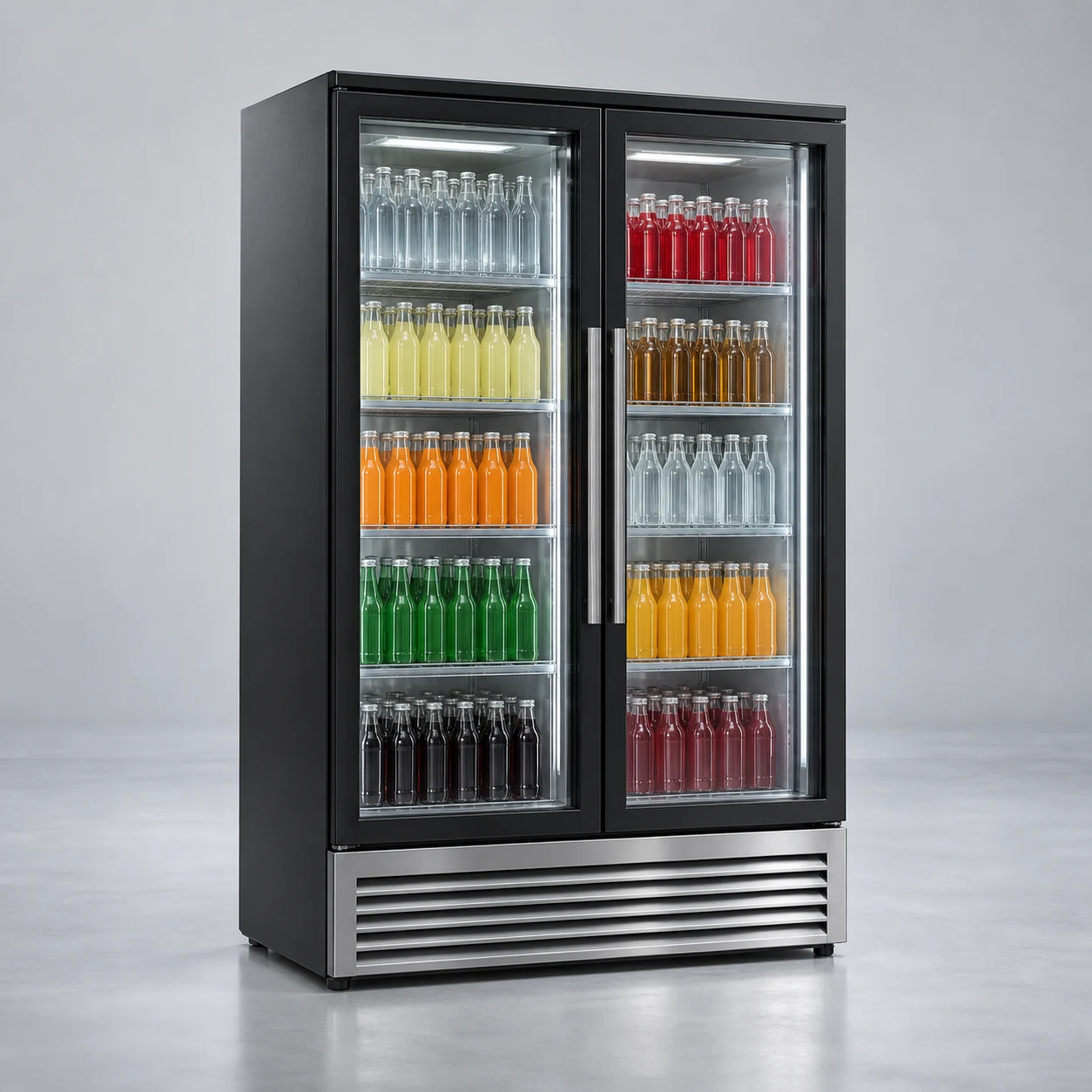
Organized shelves and glass doors support beverage merchandising and restocking.