Checking Glass-Door Refrigerator Inventory Differences: Separate Counts, Pending Replenishment and System Stock
Define scope and timing before comparing displayed goods, pending replenishment and system stock. Keep recount evidence rather than treating one difference as confirmed loss or immediately changing inventory records.
Define the stock being counted
A cabinet count may cover a different scope from whole-store system stock. Backroom goods, other displays and replenishment in progress can explain a scope difference; subtraction alone does not establish loss.
Specify doors, shelves and included areas. Track pending replenishment and removed goods separately under existing store rules. Keep uncertain states unresolved instead of assigning them to whichever column makes the figures agree.
Align the comparison time
Sales, replenishment and registration continue during opening hours. Retain counting start and finish times plus the time represented by system stock, then review movements between them.
Count in manageable sections without leaving doors open unnecessarily or removing all goods for the record. Mark completed areas and document subsequent movements under store procedures. Any temporary workflow pause requires the responsible person’s arrangement; a worksheet does not itself halt transactions.
Use visible locations rather than estimates
Follow a fixed door-and-shelf order. Do not infer hidden rear quantities from a front row. Flag obscured items for recount and retain location origins when one item appears in several places.
Confirm count units from store item data. Record individual goods, replenishment cartons and other units separately before authorized aggregation. Appearance does not establish item identity, and observed space is not an approved loading limit or stated equipment capacity.
Recount before reviewing movements
Recheck location, unit and duplicate entries before examining replenishment, transfers, sales and other registered movements. Separate supported explanations from unresolved amounts and retain reviewer and timing details. A recount must use the same scope.
A difference is not automatically a write-off or evidence against a shift. Authorized staff should handle any system adjustment through store procedures with supporting records. Do not change numbers to hide unresolved information.
Use repeated findings to improve locations
Repeated placement differences may justify reviewing location markers or transfer registration. Replenishment issues may concern confirmation of pending versus shelved status. A faster count does not demonstrate lower loss or higher sales caused by the equipment.
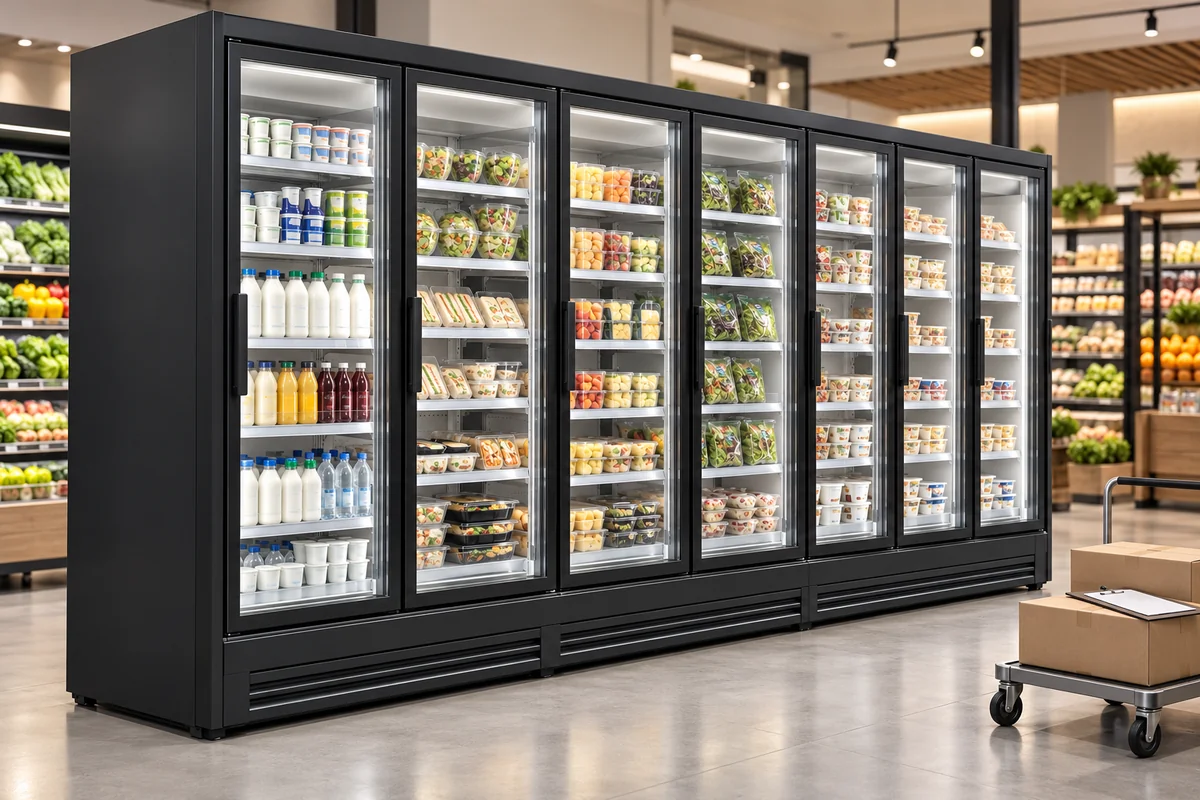
For equipment planning, discuss package forms, locations and access methods with the supplier. The cover illustrates separated displayed and pending stock without real inventory data. Confirm configuration, conditions and suitability from actual documentation rather than the image.
Common inventory-check questions
Practical questions
Should a small cabinet shortage immediately change system stock? First review scope, timing and normal movements, then use authorized store procedures if a difference remains. How should trolley goods be counted? Record their confirmed state separately and avoid double-counting.
Must internal inventory records be sent for an enquiry? Start with packaging dimensions, display categories, location needs and operating issues; customer and transaction details are generally unnecessary. Use BAONIER product and category pages to discuss configuration requirements.
Related products and enquiries
Linear glass-door refrigerator · Glass-door refrigerator category · Discuss shelf and display requirements