Coordinating Temporary Soup Unavailability: Pot Positions, Ordering Information and Resumption
Keep kitchen, ordering channels and service staff aligned on temporary soup availability. Link pot positions, accepted orders, customer notices and confirmed resumption rather than updating only one information source.
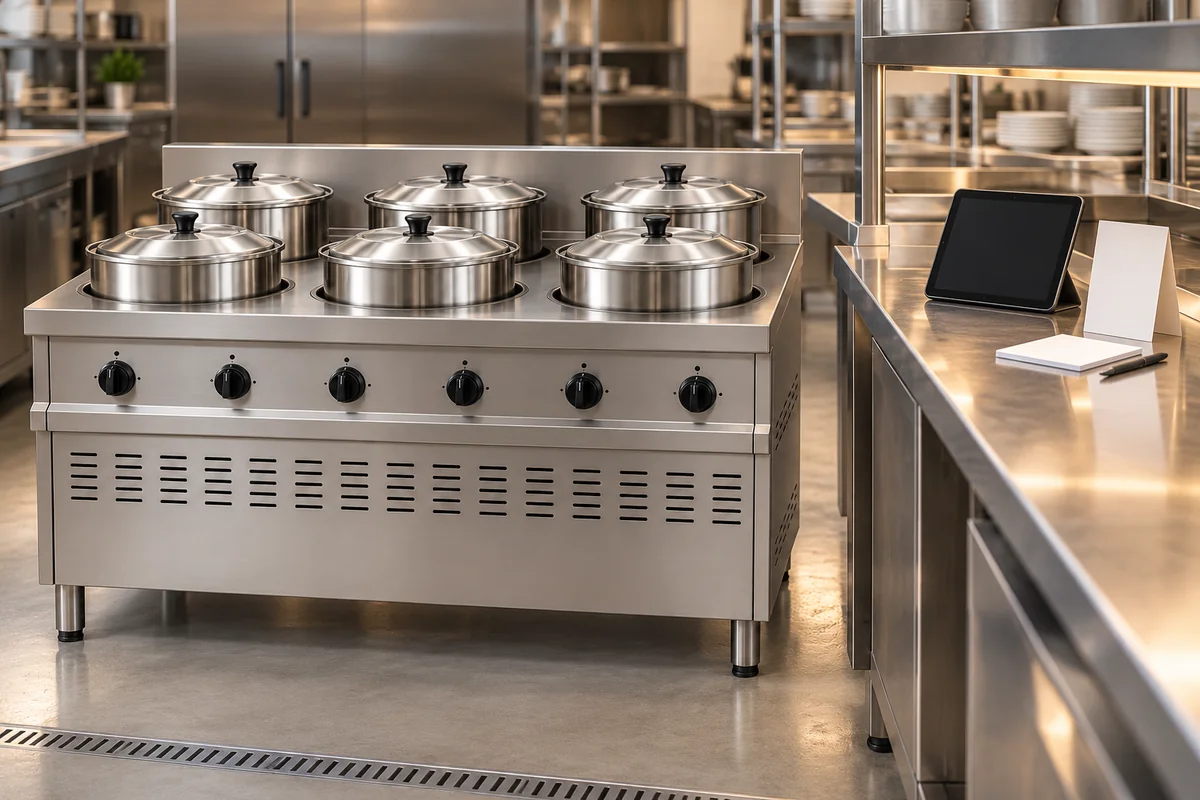
Identify the unavailable menu item
Kitchen and front-of-house staff may use different names or pot references for one soup. Identify the menu name, serving specification and current pot position before coordinating its temporary unavailability.
Position is an aid, not the item identity, since pots can move. Record timing, confirmer and affected service scope. Verify uncertain scope rather than assuming that every service period or ordering channel is affected equally.
List the ordering channels in use
List the channels actually operating that day, such as table menus, verbal recommendations, in-store ordering and online channels. Authorized staff should distinguish completed updates from pending ones.
A shift coordinator can collect confirmations, while each channel retains a responsible updater. Notices and ordering availability should agree. Orders already seen or submitted require separate review; a menu update does not automatically resolve accepted orders.
Separate accepted orders from new ones
Confirm the state of accepted orders before following store service procedures. Distinguish prepared, unprepared and unresolved orders instead of applying one unavailable label to all. Do not substitute another soup or assume a customer accepts a delay.
Use confirmed availability for new orders. Without a supported resumption time, avoid promising immediate service. Explain uncertainty and available store-approved choices. This concerns order communication, not technical decisions about food use, handling or storage.
Recheck information when pots move
If pots move, check whether position references, item names and ordering information still correspond. A returned container, lid or familiar shape does not establish that a soup is available again; the responsible person must confirm.
At shift change, hand over current status, unresolved points and completed channel updates with clear owners. Follow applicable equipment and food procedures; this guide specifies no heating times, temperatures or holding settings.
Confirm resumption across channels
Resumption is another state change. After the responsible role confirms availability, update ordering channels, service notices and site information, recording time and any channels still pending.
Review whether missed communication came from naming, an omitted channel or handover. One unavailable item does not demonstrate insufficient equipment capacity. Discuss menu types and service methods when considering configuration. The cover is a coordination concept, not a real service or fault record.
Common menu-coordination questions
Practical questions
Is one group message enough? Confirm channel and shift updates; sending a message and completing the change are different. Can another soup substitute automatically? Follow the process for customer choice rather than relying on similar names or pots.
What is easily missed at resumption? Reconcile paused channels, site notices and handover records. Use BAONIER product pages to discuss service-station needs, keeping equipment configuration separate from production arrangements. Similar appearance does not promise equal quantities or speed.
Related products and enquiries
Soup stove product illustration · Soup stove category · Discuss soup and service-station needs