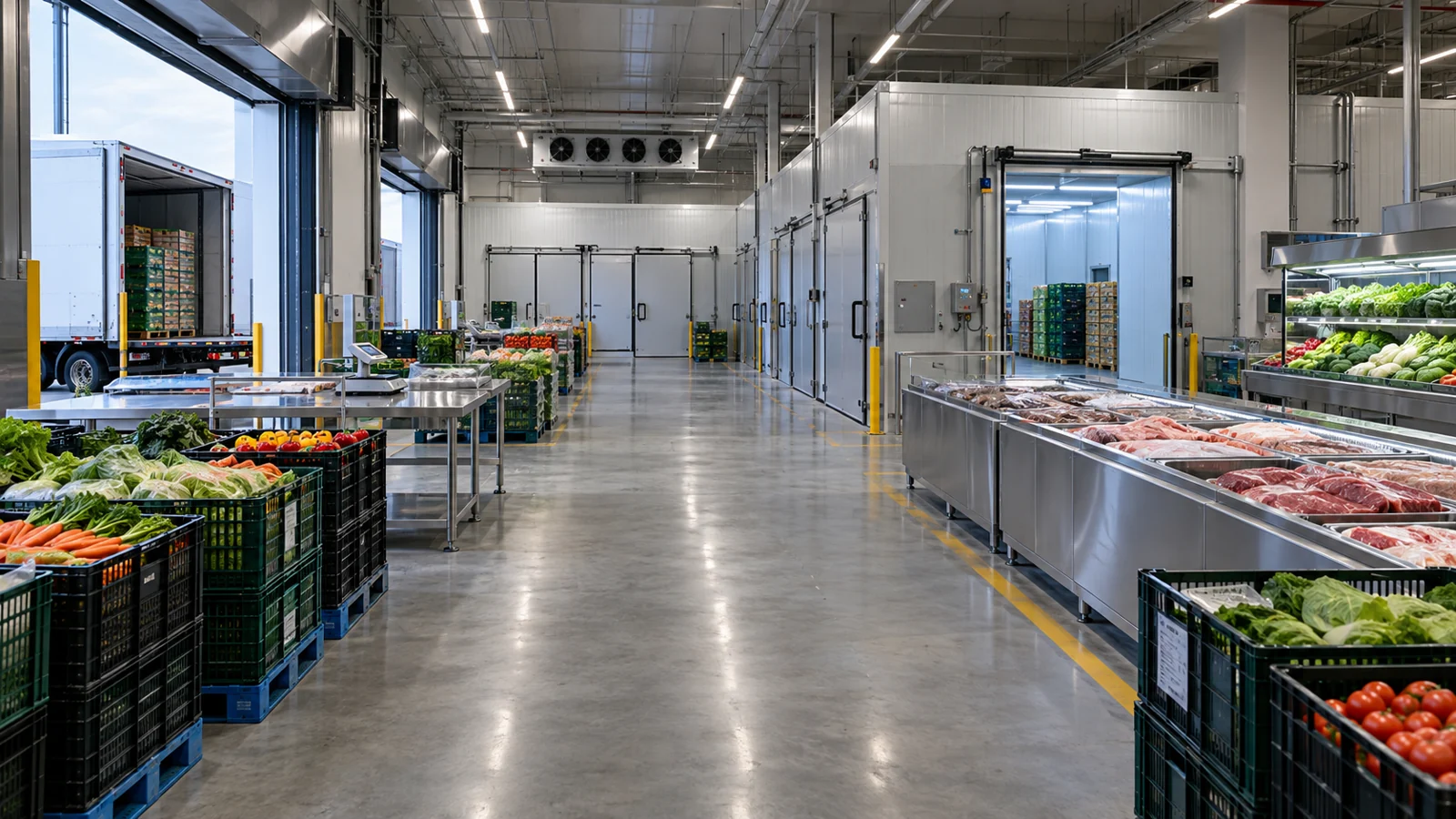
Fresh food distribution center: receiving and cold storage zones
The distribution site needs to clearly distinguish receiving inspection, storage, and ready-to-deliver goods to reduce state confusion.
Scenario and Requirements
The distribution site needs to clearly distinguish receiving inspection, storage, and ready-to-deliver goods to reduce state confusion.
Around the cold storage and refrigerator workstations, this solution organizes equipment arrangements based on on-site usage. Consideration is given to display effects, user operation, and subsequent management. Specific models and installation conditions need to be confirmed after obtaining project documentation.
Space and Equipment Arrangement
Divide the storage areas according to the actual workflow, connect the entrances and exits of the cold storage to the corresponding circulation areas, and ensure accessible trolley routes.
During planning, door openings, wall columns, fixing facilities, and product turnover routes should be recorded on the same drawing. Verify the equipment dimensions against the actual available space. Ensure the display surface, operation surface, and maintenance areas are accessible.
Daily Operations and Handover
Record the positions of containers and batches, with processed and confirmed items placed separately.
Before deployment, representative packaging and containers can be used to simulate the entire process. When waiting, detours, or unclear labeling are observed, first record the specific location, then discuss adjusting storage locations, materials, or equipment relationships.
Key Points of the Plan
Use commonly used circulation boxes and trolleys to inspect door openings, turns, and shelves within the warehouse, ensuring proper matching of models.
The information on this page provides scenario configuration ideas and does not include real customer operation data or performance guarantees. For project communication, provide venue dimensions, product categories, planned quantities, and on-site photos, then confirm configuration, service scope, and delivery arrangements in conjunction with official equipment documentation.
Related products
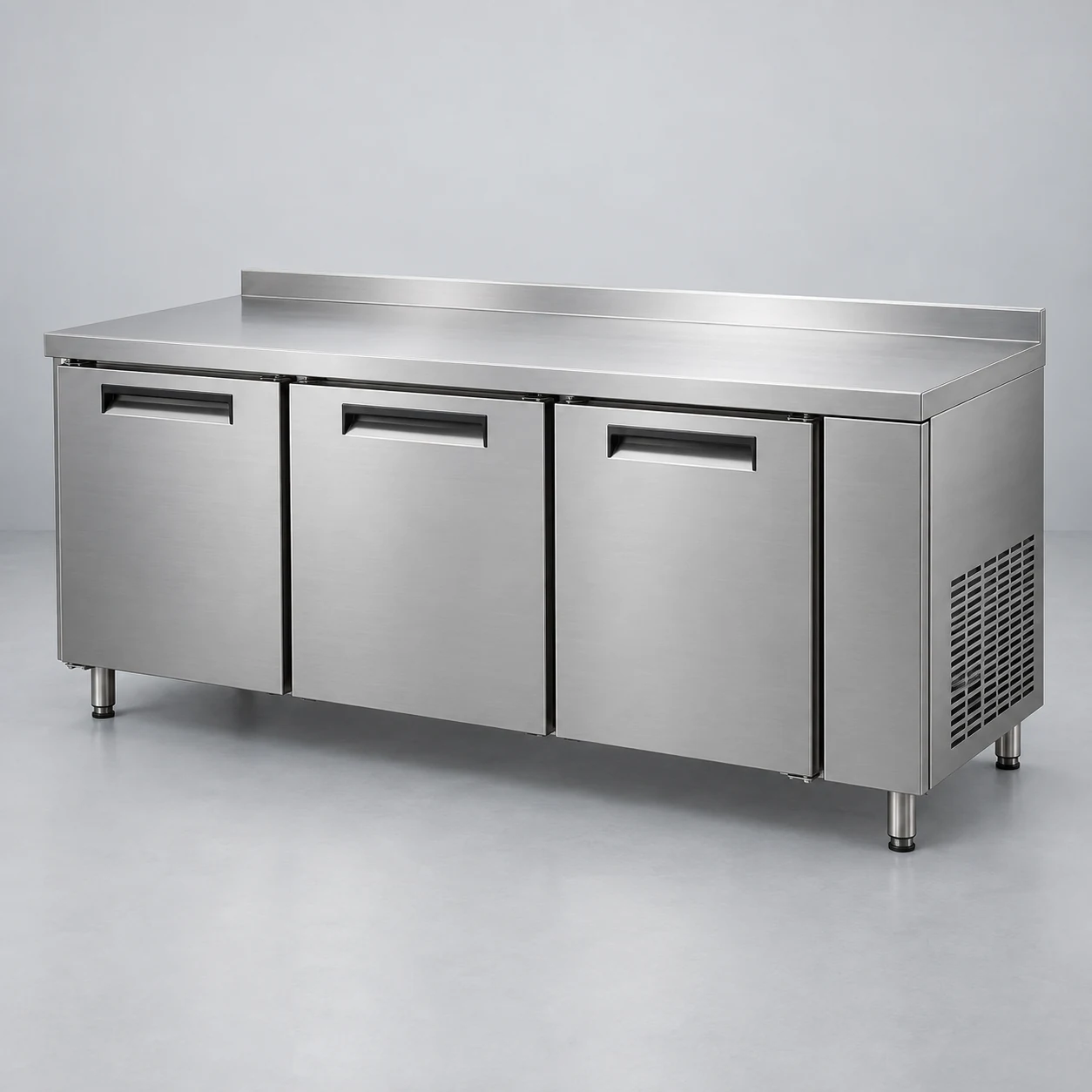 Bakery refrigeration
Refrigerated worktops
Combine preparation space and chilled storage for bakery workflows.
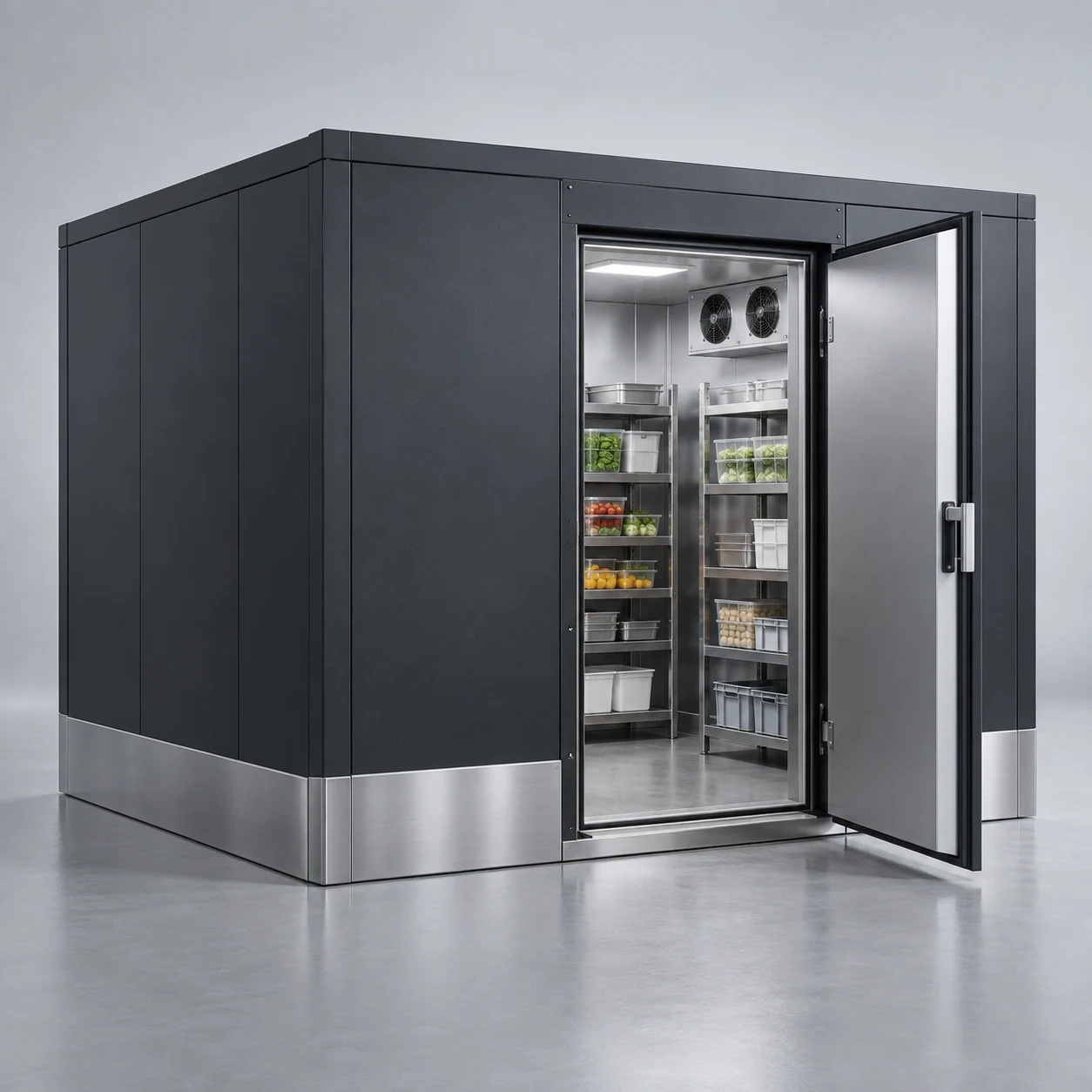 Supermarket refrigeration
Cold rooms
A modular storage concept planned around goods, movement and site conditions.
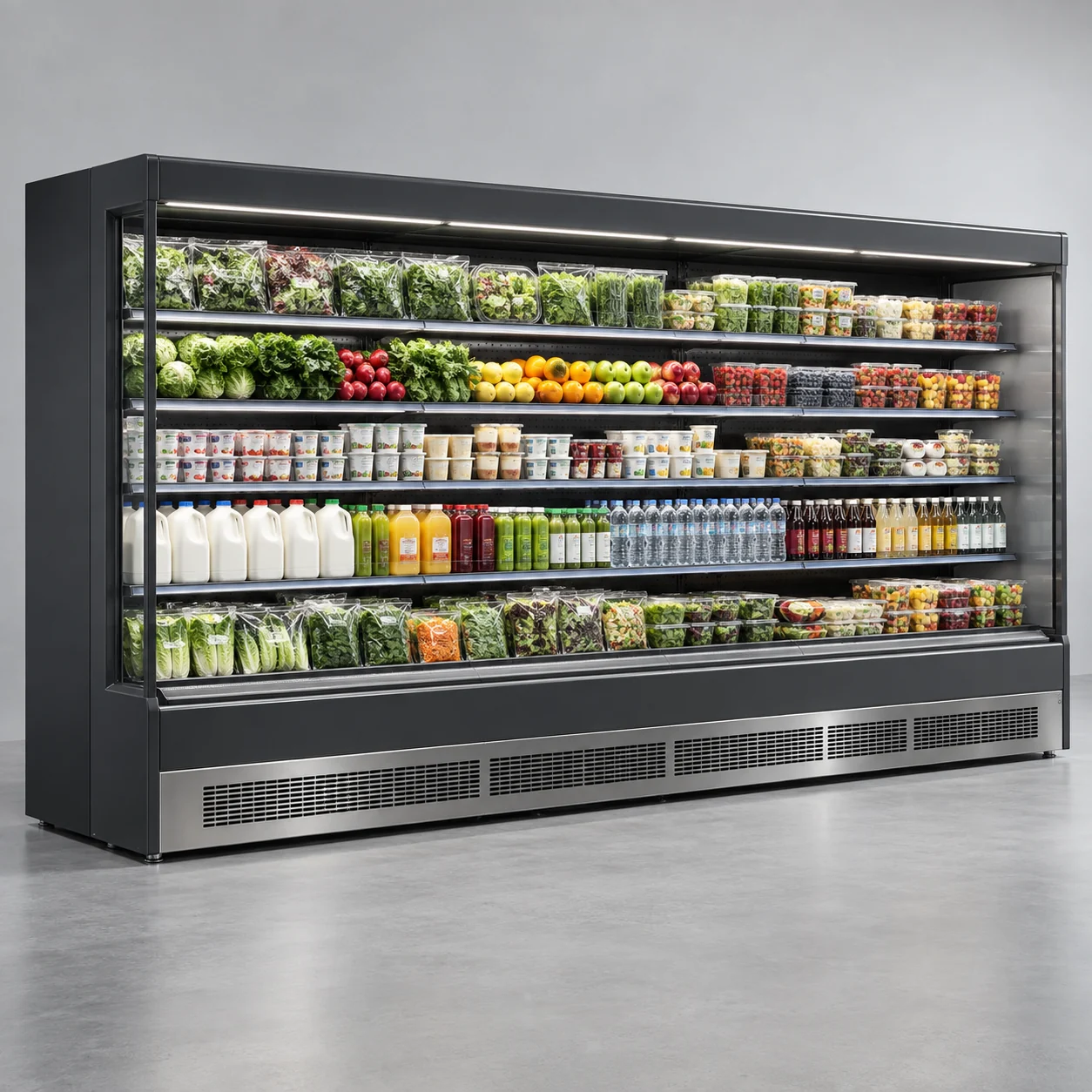 Supermarket refrigeration
Air-curtain cabinets
Elongated open-front shelving keeps chilled goods visible across a continuous display.
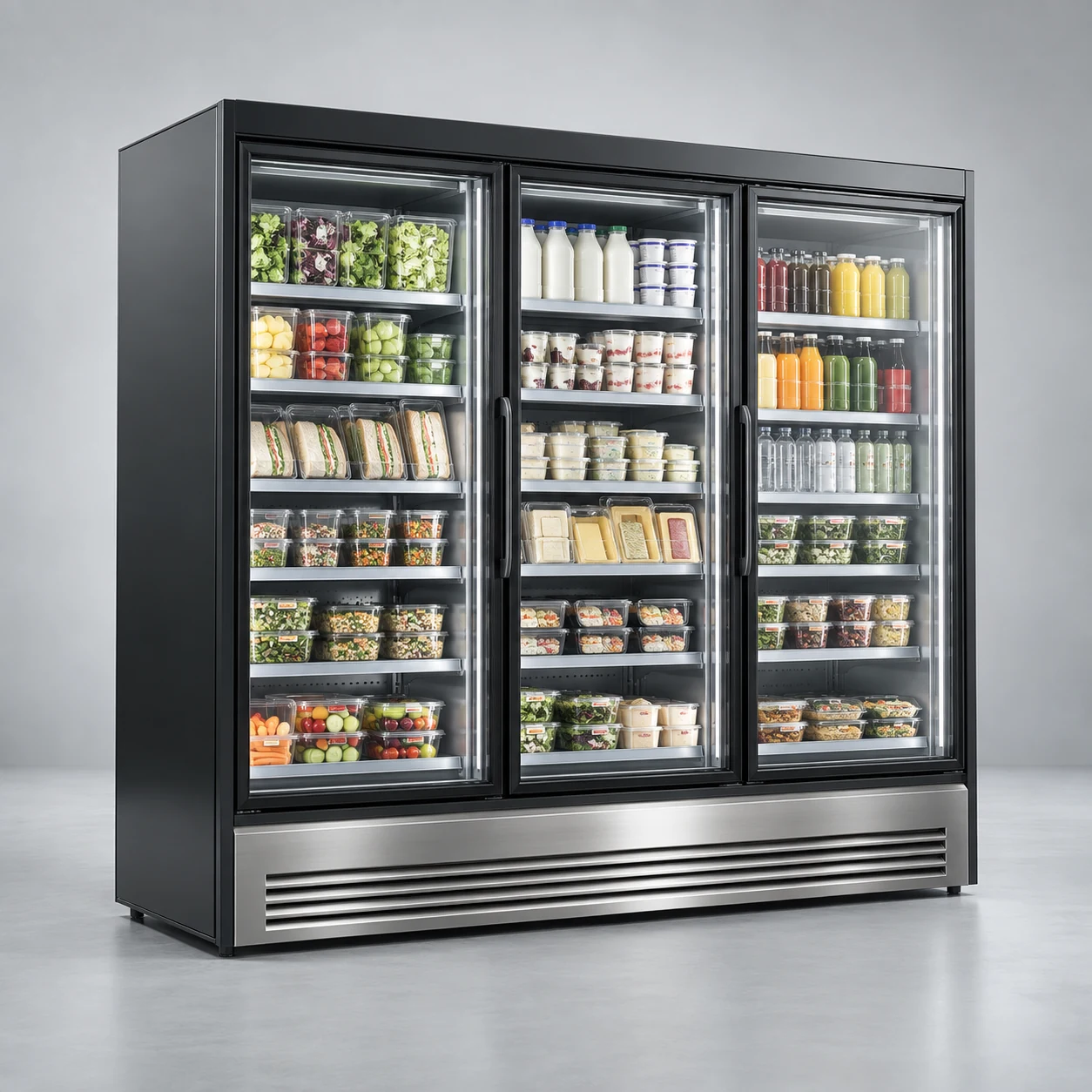 Supermarket refrigeration
Glass-door cabinets
Clear glass doors and organized shelving support attractive, accessible merchandising.