Why should the processing capacity of a dough mixing machine be combined with the recipe description?
Explain the raw materials, recipe characteristics, processing capacity per batch, and usage frequency to the equipment provider, and request confirmation of the applicable range based on the specific model. A larger capacity may not be more suitable for stores with frequent small-batch changes; The procurement comparison should consider task combinations and personnel arrangements, not just the largest number.
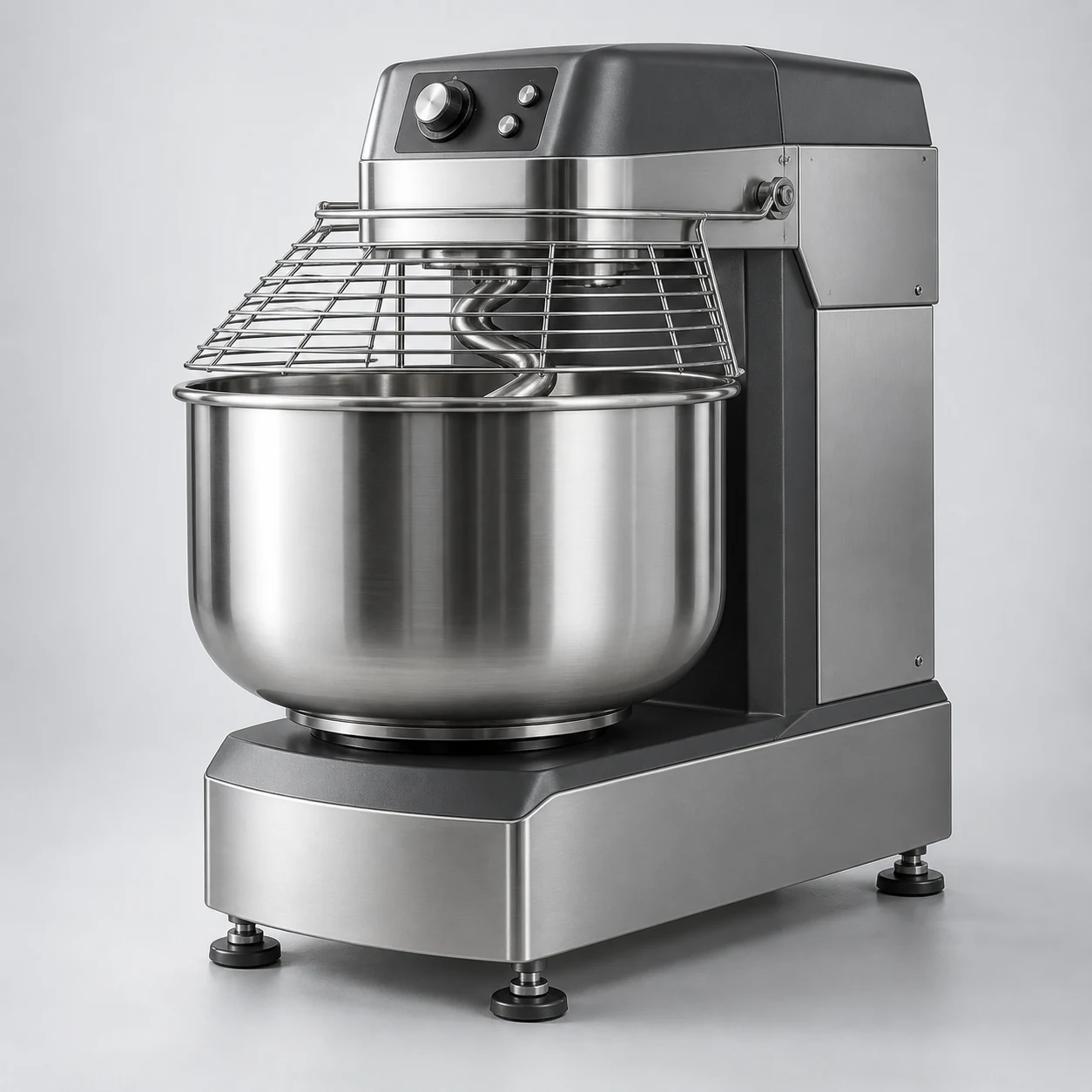
Define the issues to be solved during this purchase
When preparing for a new bakery or pastry store and reorganizing the dough processing process, the first issues discussed during the discussion of kneading machines often involve what size to purchase, what shape to choose, and how much to allocate to the budget. However, the answers to these questions depend on a common premise: what task the store wants the equipment to perform. A larger capacity may not be more suitable for stores with frequent small-batch changes; The procurement comparison should consider task combinations and personnel arrangements, not just the largest number. If this trade-off is not clearly stated, it is easy for discussions to focus on photos and total price, seemingly comparing multiple options, but no judgment criteria are actually established.
It is recommended to first write down the requirements in a complete description, including who uses, what is processed or displayed, where the task is completed, and the most inconvenient aspect currently. What needs attention here are doughs with different recipes, the batch size of single raw materials, mixing accessories, and containers. Each item should correspond to an actual packaging or container to avoid different participants having different understandings of the ‘standard specifications’. The requirements table need not be complex, but it should be understood by procurement, store managers, and actual operators.
Actual compatibility conditions that need verification for the kneading machine
Explain the raw materials, recipe characteristics, processing capacity per batch, and usage frequency to the equipment provider, and request confirmation of the applicable range based on the specific model. Container volume is not the processing weight that all recipes can use, and different process loads cannot be directly equated. When preparing materials, representative items used daily can be photographed and numbered, with their external dimensions, usage location, and required operating space recorded separately. For special packaging, containers with handles, or temporary combinations, separate explanations are needed; only an average size cannot be provided.
Implementing size specifications for representative items makes it easier to determine compatibility differences. Taking the kneading machine as an example, even if two dough recipe plans intend to use the same single processing weight, it still needs to be confirmed by the equipment provider based on the specific model. Container volume, recipe characteristics, and operating frequency should be described separately and cannot be directly converted between each other. In the comparison table, a separate row should be provided for this difference, listing the current plan, adjustable sections, and information yet to be confirmed separately. If the two candidate configurations provide different responses for this item, retain each of their applicable conditions, allowing the selection to be based on consistent requirements. Continue to inquire about unclear items; no conclusions should be added independently to complete the quotation comparison.
Verify configuration using a complete workflow process
Link the raw material weighing, feeding, equipment operation, and subsequent transfer locations to confirm the space required for operation and handling. The area around the machine should not be used for temporary storage of miscellaneous items, and personnel positioning should also follow the equipment instructions. During the product selection phase, these steps should not be discussed until the renovation is completed. Use ground markers or cardboard to simulate the equipment boundaries, allowing actual users to demonstrate in their usual order, which helps identify subtle disturbances not visible on the drawings in advance.
The comparison of solutions should also include disturbances encountered during real use, not just the equipment itself. Taking a dough mixing machine as an example, assume the raw material weighing area is not far from the dough mixing machine, but the transfer process requires bypassing the transfer cart. The movement before and after the complete material input should be observed. The layout adjustment must maintain the operational and protective conditions required by the machine model specifications. In the comparison table, a separate row should be provided for this difference, listing the current plan, adjustable sections, and information yet to be confirmed separately. If the two candidate configurations provide different responses for this item, retain each of their applicable conditions, allowing the selection to be based on consistent requirements. Continue to inquire about unclear items; no conclusions should be added independently to complete the quotation comparison.
Include daily management costs in the comparison table.
Record the actual processing batches, used accessories, and observed anomalies per shift to help subsequent personnel understand the usage context. Safety protection and operational steps should be carried out according to the instructions, and no changes to prescribed actions should be made to save time. These daily tasks are not only encountered after procurement is completed; they affect the amount of effort required by the store for organization, training, and communication. When comparing solutions, you can ask how common components are identified, where the usage instructions can be found, which tasks should be handled by the store, and which require professional assistance.
Understanding the management approach before procurement can reduce omissions during configuration confirmation. Taking a dough mixing machine as an example, assume the processing accessories were replaced during the shift. The next shift should be able to know from the records that the tasks have been completed, the current configuration, and the matters that need attention. Staff should not skip prescribed operations or alter protective arrangements on their own to save time. In the comparison table, a separate row should be provided for this difference, listing the current plan, adjustable sections, and information yet to be confirmed separately. If the two candidate configurations provide different responses for this item, retain each of their applicable conditions, allowing the selection to be based on consistent requirements. Continue to inquire about unclear items; no conclusions should be added independently to complete the quotation comparison.
How is the quotation confirmation and selection conclusion implemented?
Verify the model, applicable processing instructions, accessories, on-site power conditions, and training handover. Compare the planned processing tasks with the equipment data item by item, and do not require the equipment to demonstrate beyond the specified scope. If two solutions meet basic requirements, they can be mapped to the store’s workflow respectively, indicating which benefits are retained and any adjustments required. The reasons for selection should be specific to the usage process, so that when making subsequent adjustments to decoration or product structure, it is possible to determine whether the original decisions remain applicable.
When forming the final record, it is recommended to retain the product model, confirmation images, attachment list, and results of unresolved issues. Oral commitments should be translated into accessible confirmation details. For inquiries about BAONIER products, start with this requirement document: first describe the actual scenario, then verify the equipment configuration. For dough mixing machines, an appropriate solution comes from the matching between tasks, space, and management methods. The appearance and budget can be further coordinated after these conditions are clarified.