Food machinery
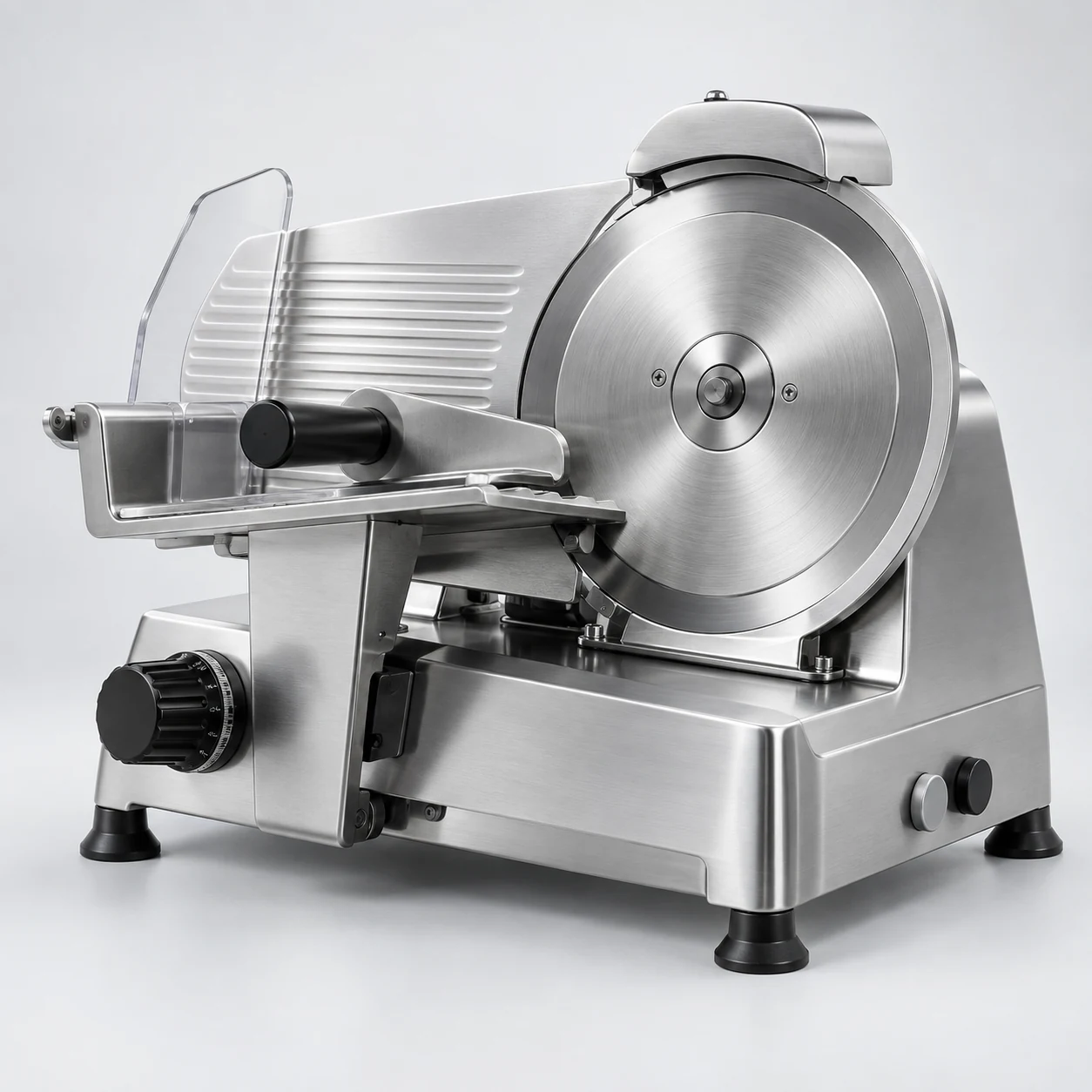
Slicers
Support food slicing workflows; select configurations for the intended ingredients.
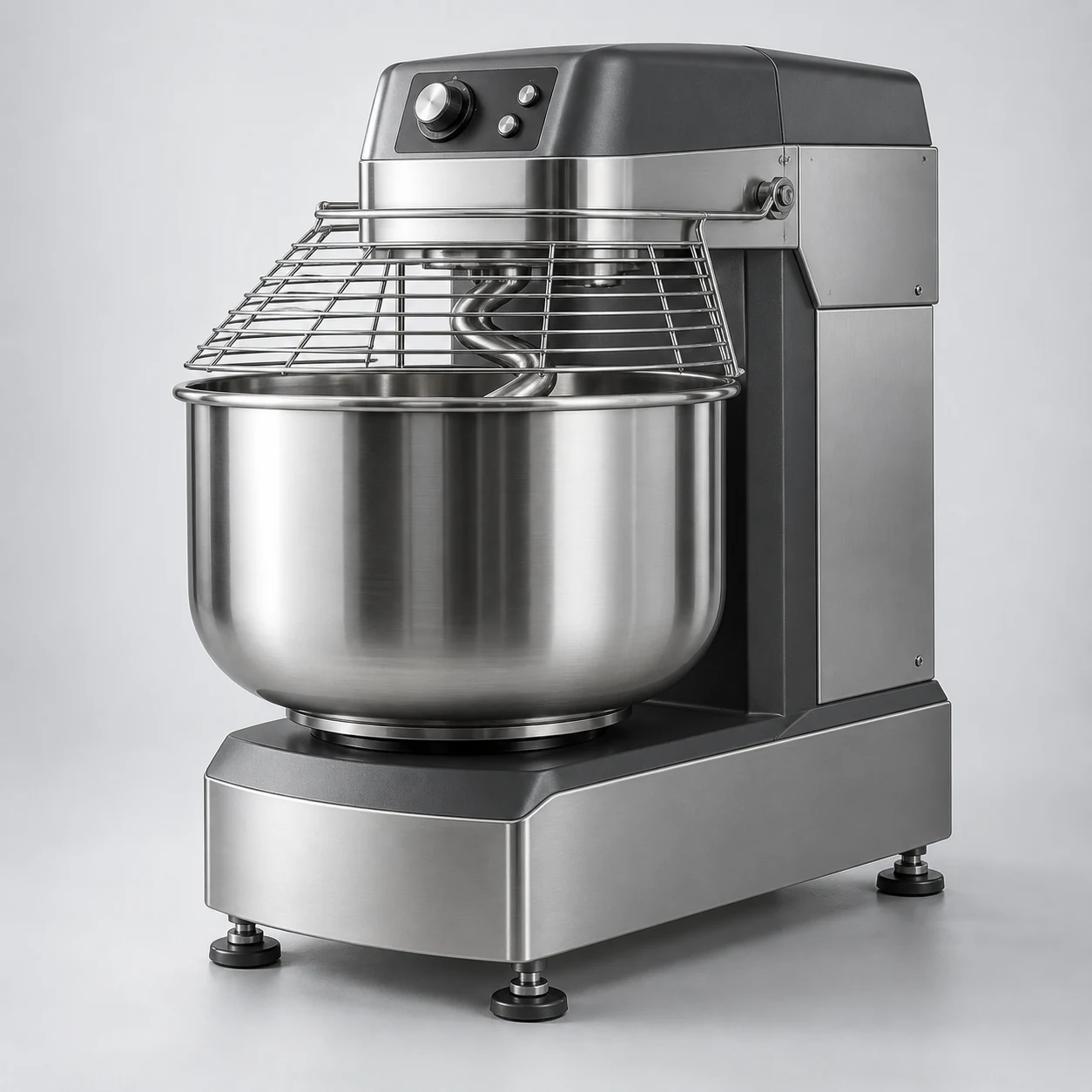
Designed around dough preparation in bakery and catering kitchens.
Choose equipment around the goods you store, the way you display them and the space available.
Designed around dough preparation in bakery and catering kitchens.
Food machinery environments
Support food slicing workflows; select configurations for the intended ingredients.
When selecting a mixing machine, it is necessary to first clarify the business objectives, and then compare the appearance and configuration of the equipment. For example, when reorganizing the dough processing process in a bakery or pastry shop, the first thing to organize is not how many machines to purchase, but how doughs with different recipes, batches of raw materials, mixing accessories, and containers should be stored, displayed, and circulated. The form of goods, personnel actions, and equipment functions are interconnected; only by clarifying these conditions clearly can there be a basis for comparison in subsequent plans.
Read more ↗The layout of the mixing machine needs to consider both the customer side and the working side, rather than simply placing the equipment in a floor plan as if it’s done. When reorganizing the dough processing process in a bakery or pastry shop, actions such as viewing, picking up, replenishing, and cleaning often occur around the equipment. The focus of the planning is to ensure these actions can be seamlessly connected in the same space, rather than simply aiming for neat equipment arrangement.
Read more ↗The daily management of the mixing machine should focus on maintaining stable records regarding its condition, product display, and personnel handover. In scenarios like reorganizing the dough processing process in a bakery or pastry shop, it is often difficult to reconstruct the process changes because information is only sought after obvious issues arise. The purpose of recording is to let the next shift and service staff know what happened, rather than adding unnecessary forms.
Read more ↗Explain the raw materials, recipe characteristics, processing capacity per batch, and usage frequency to the equipment provider, and request confirmation of the applicable range based on the specific model. A larger capacity may not be more suitable for stores with frequent small-batch changes; The procurement comparison should consider task combinations and personnel arrangements, not just the largest number.
Read article ↗Link the raw material weighing, feeding, equipment operation, and subsequent transfer locations to confirm the space required for operation and handling. A larger capacity may not be more suitable for stores with frequent small-batch changes; The procurement comparison should consider task combinations and personnel arrangements, not just the largest number.
Read article ↗Record the actual processing batches, used accessories, and observed anomalies per shift to help subsequent personnel understand the usage context. A larger capacity may not be more suitable for stores with frequent small-batch changes; The procurement comparison should consider task combinations and personnel arrangements, not just the largest number.
Read article ↗Verify the model, applicable processing instructions, accessories, on-site power conditions, and training handover. A larger capacity may not be more suitable for stores with frequent small-batch changes; The procurement comparison should consider task combinations and personnel arrangements, not just the largest number.
Read article ↗Leave your contact details and requirements. We will get in touch.