Bakery refrigeration
Cake displays
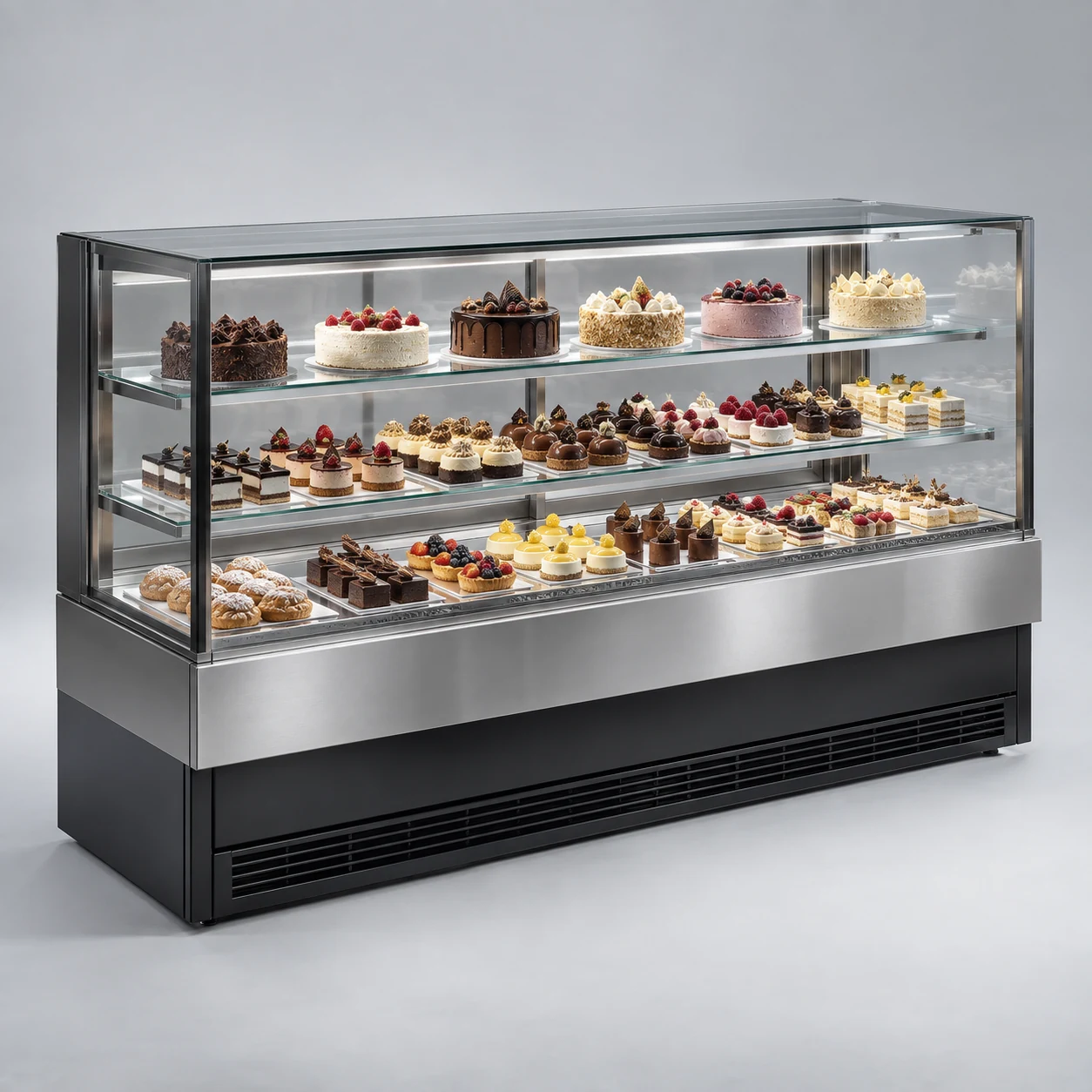
Clear tiered displays and soft lighting showcase cakes and pastries.
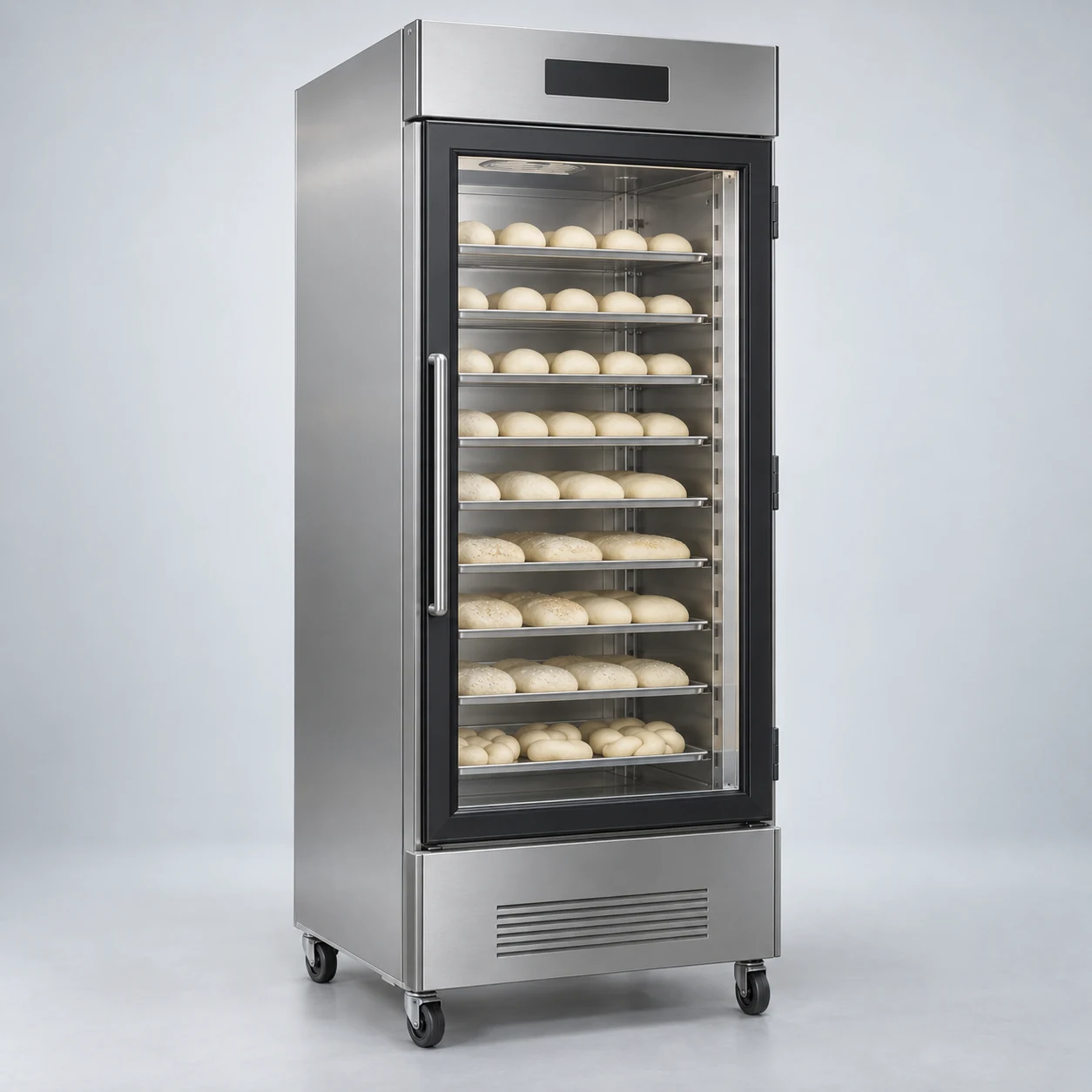
A rack-based proofing concept for organized bakery preparation.
Choose equipment around the goods you store, the way you display them and the space available.
A rack-based proofing concept for organized bakery preparation.
Bakery refrigeration environments
Clear tiered displays and soft lighting showcase cakes and pastries.
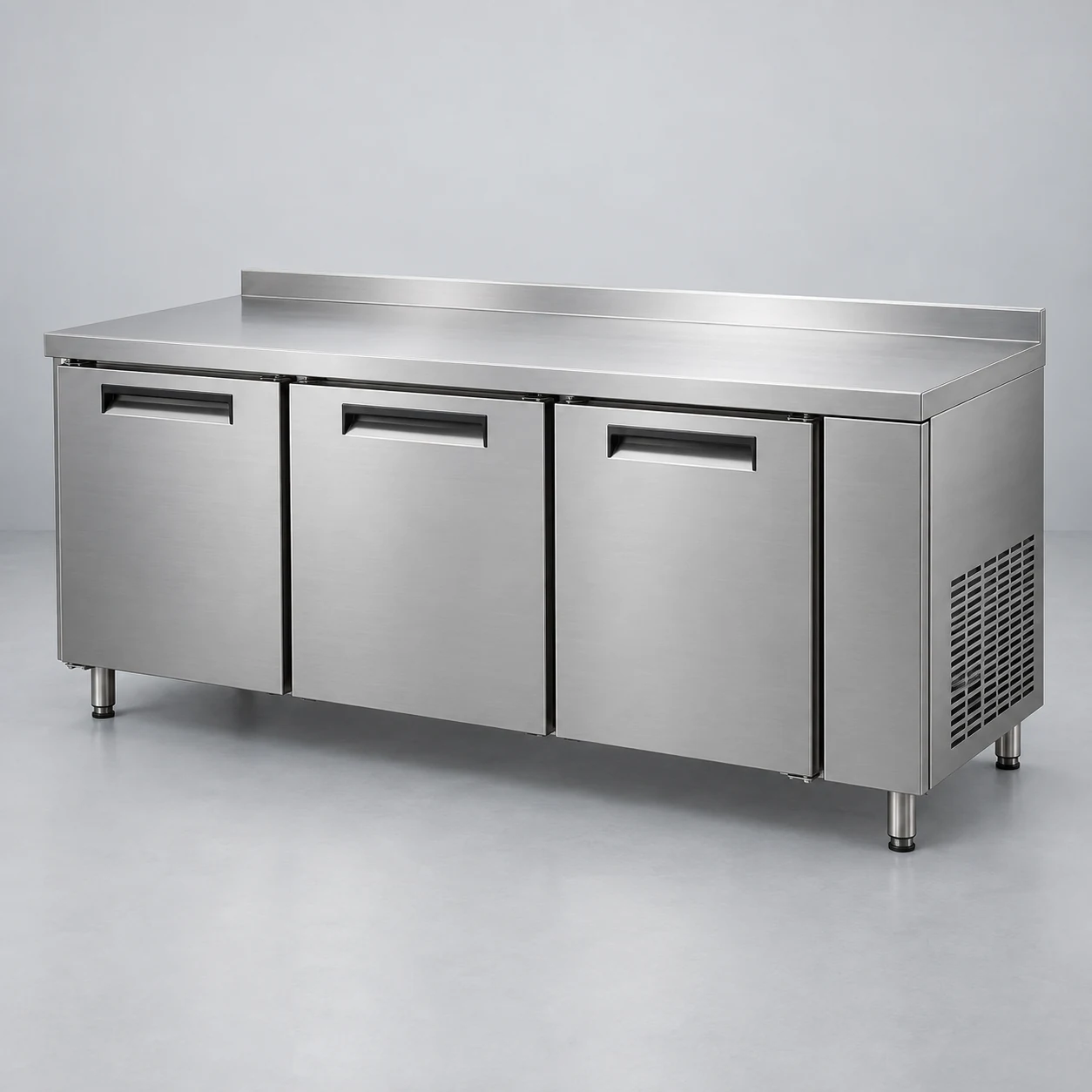
Combine preparation space and chilled storage for bakery workflows.
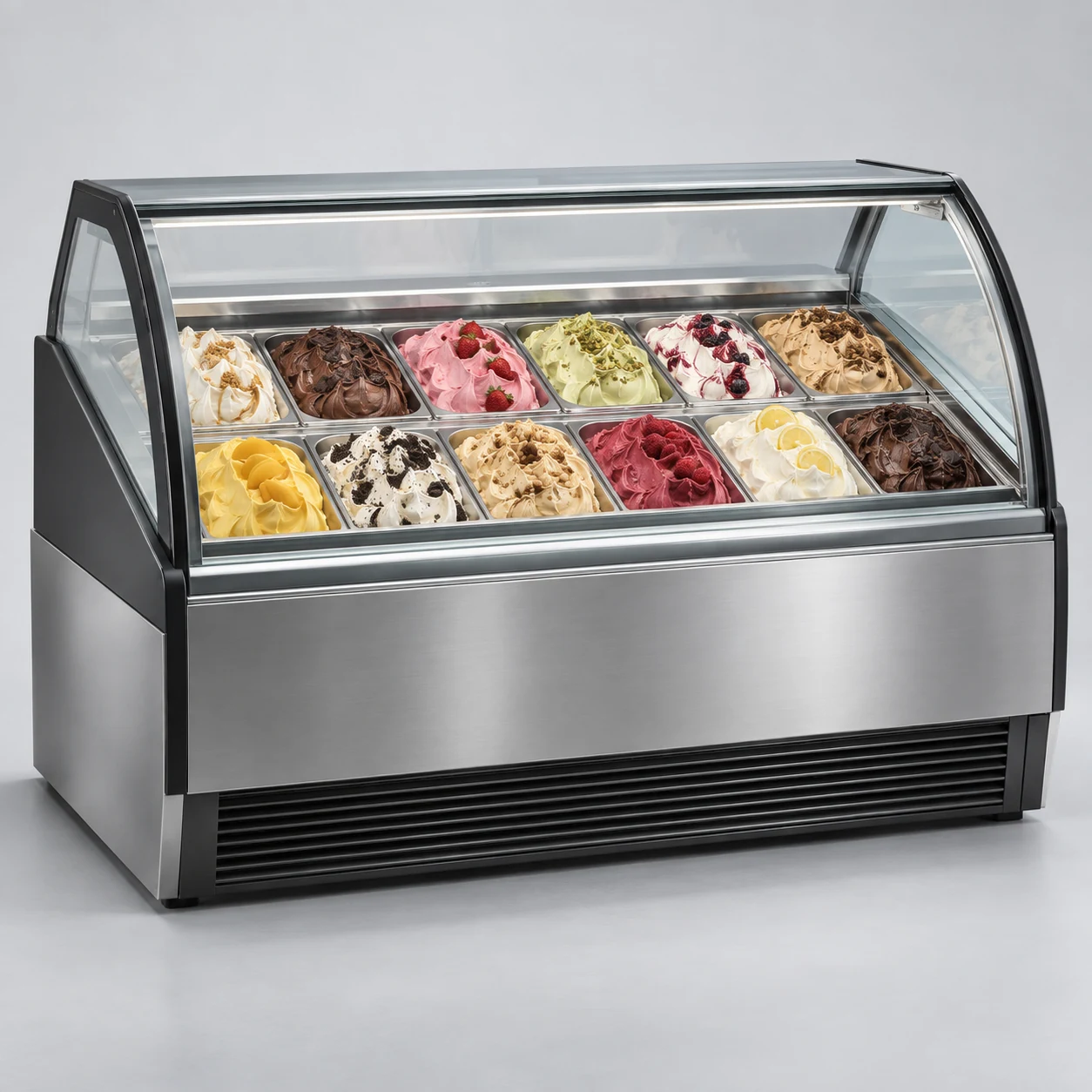
A wide transparent display presents flavours and supports serving workflows.
When selecting an oven development box, it is necessary to first clarify operational requirements, and then compare the equipment’s appearance and configuration. Taking a baking studio that wants to clearly organize dough turnover and equipment scheduling as an example, what needs to be organized first is not how many units to purchase, but how baking pans, dough turnover batches, trolleys, and batch labels should be stored, displayed, and circulated. The form of goods, personnel actions, and equipment functions are interconnected; only by clarifying these conditions clearly can there be a basis for comparison in subsequent plans.
Read more ↗The layout of the oven development box should consider both the customer side and the work side, rather than simply placing the equipment in the floor plan as if it is complete. When a baking studio wants to clearly organize dough turnover and equipment scheduling, actions such as viewing, access, replenishment, and cleaning often occur around the equipment. The focus of the planning is to ensure these actions can be seamlessly connected in the same space, rather than simply aiming for neat equipment arrangement.
Read more ↗The daily management of the proofing box should establish stable records based on equipment status, product display, and personnel handover. In scenarios like a baking studio wanting to clearly organize dough turnover and equipment scheduling, seeking information only when obvious issues arise with the equipment often makes it difficult to reconstruct the process. The purpose of recording is to let the next shift and service staff know what happened, rather than adding unnecessary forms.
Read more ↗First, list the baking tray shape and dough processing requirements, and have professionals confirm whether the specific equipment is suitable. A large number of slots doesn’t automatically mean reasonable scheduling; Handling small batches multiple times and larger batches in a concentrated manner require different requirements for on-site organization.
Read article ↗Draw out the transfer paths for mixing dough, cutting, shaping, proofing, and subsequent baking, and check if cart docking and door opening interfere with other operations A large number of slots doesn’t automatically mean reasonable scheduling; Handling small batches multiple times and larger batches in a concentrated manner require different requirements for on-site organization.
Read article ↗Use batch cards to record entry, exit, and handover information, allowing adjacent batches to be clearly distinguished A large number of slots doesn’t automatically mean reasonable scheduling; Handling small batches multiple times and larger batches in a concentrated manner require different requirements for on-site organization.
Read article ↗Use the store's actual baking trays to check rack placement, doors, and handling actions, ensuring control functions match the instructions A large number of slots doesn’t automatically mean reasonable scheduling; Handling small batches multiple times and larger batches in a concentrated manner require different requirements for on-site organization.
Read article ↗Leave your contact details and requirements. We will get in touch.