Community supermarket: Planning for daily refrigerated product areas
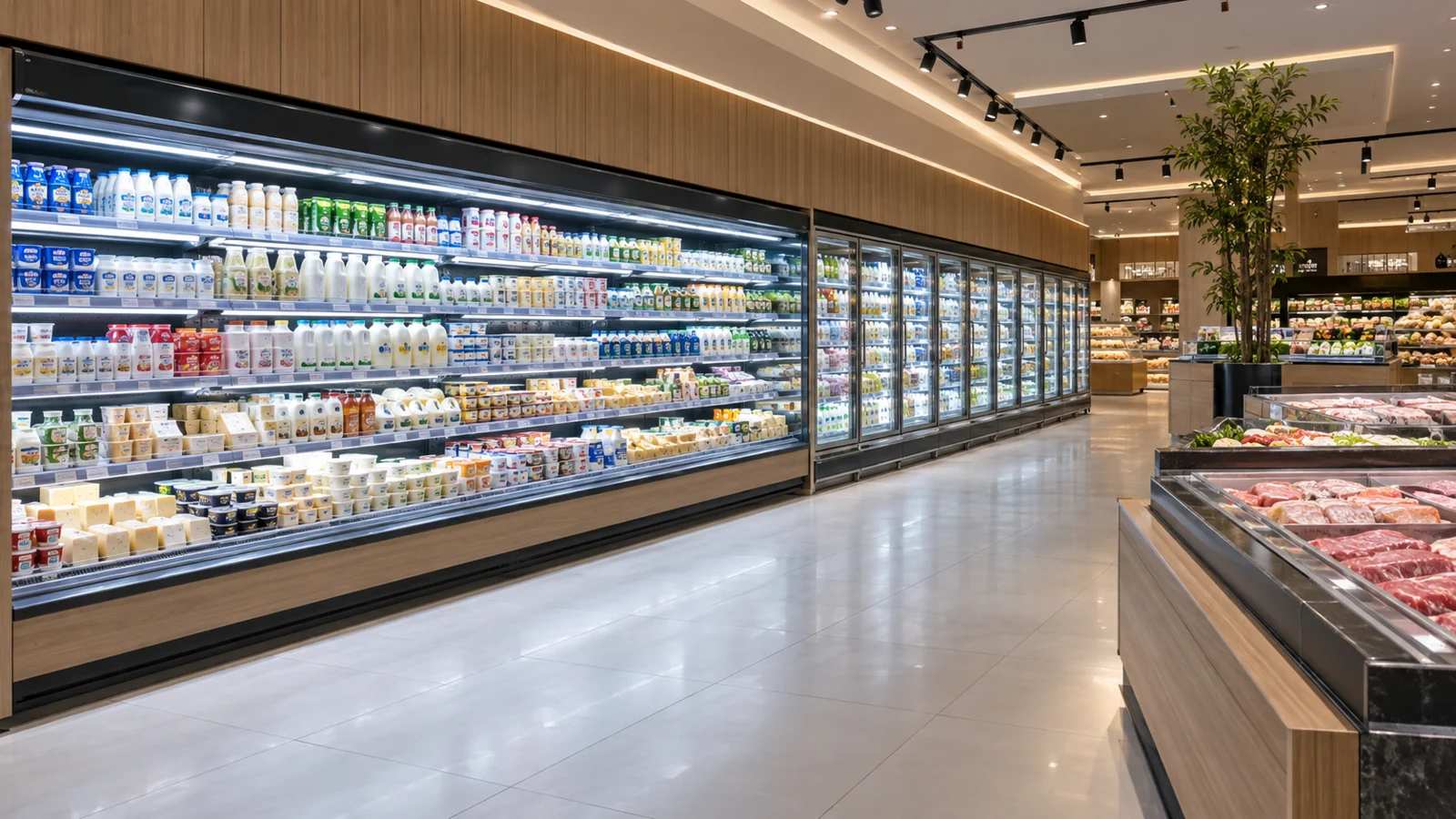
The store wants to display dairy products, packaged vegetables, and ready-to-eat items together, while keeping a restocking area for staff.
Scenario and Requirements
The store wants to display dairy products, packaged vegetables, and ready-to-eat items together, while keeping a restocking area for staff.
Focusing on open refrigerated display cabinets and glass door cabinets, this plan organizes the equipment layout based on on-site usage. Consideration is given to display effects, user operation, and subsequent management. Specific models and installation conditions need to be confirmed after obtaining project documentation.
Space and Equipment Arrangement
Arrange continuous refrigerated displays along the main aisle, placing high-frequency items in easily identifiable positions; Use end gaps to connect with the restocking route in the rear storage area.
During planning, door openings, wall columns, fixing facilities, and product turnover routes should be recorded on the same drawing. Verify the equipment dimensions against the actual available space. Ensure the display surface, operation surface, and maintenance areas are accessible.
Daily Operations and Handover
Divide shelves according to product packaging and turnover rhythms, and record the intersection points of customer visits and staff restocking.
Before deployment, representative packaging and containers can be used to simulate the entire process. When waiting, detours, or unclear labeling are observed, first record the specific location, then discuss adjusting storage locations, materials, or equipment relationships.
Key Points of the Plan
Verify storage locations using actual packaging, and simulate both opening hours restocking and peak service picking.
The information on this page provides scenario configuration ideas and does not include real customer operation data or performance guarantees. For project communication, provide venue dimensions, product categories, planned quantities, and on-site photos, then confirm configuration, service scope, and delivery arrangements in conjunction with official equipment documentation.
Related products
 Supermarket refrigeration
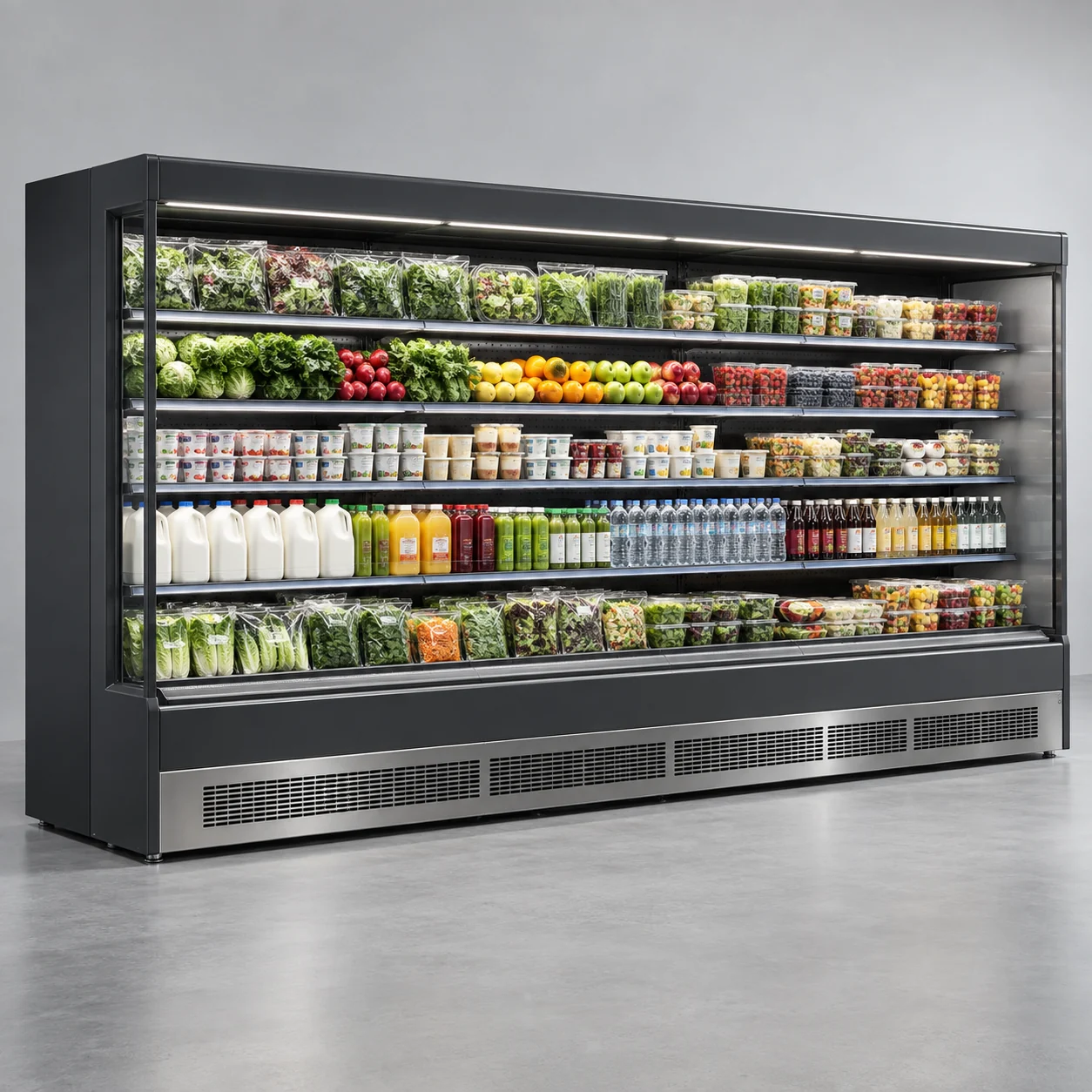
Air-curtain cabinets
Elongated open-front shelving keeps chilled goods visible across a continuous display.
 Supermarket refrigeration
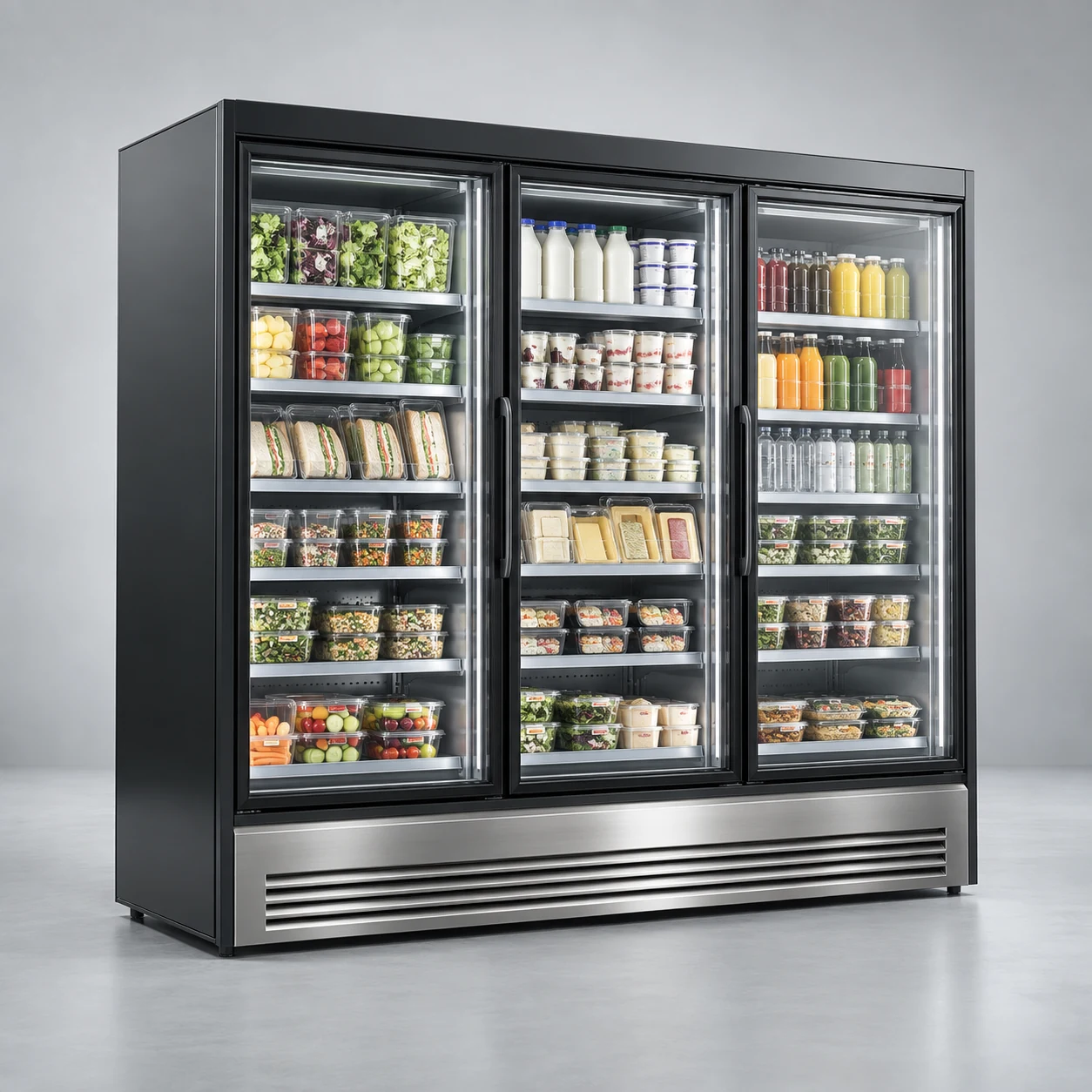
Glass-door cabinets
Clear glass doors and organized shelving support attractive, accessible merchandising.
 Supermarket refrigeration
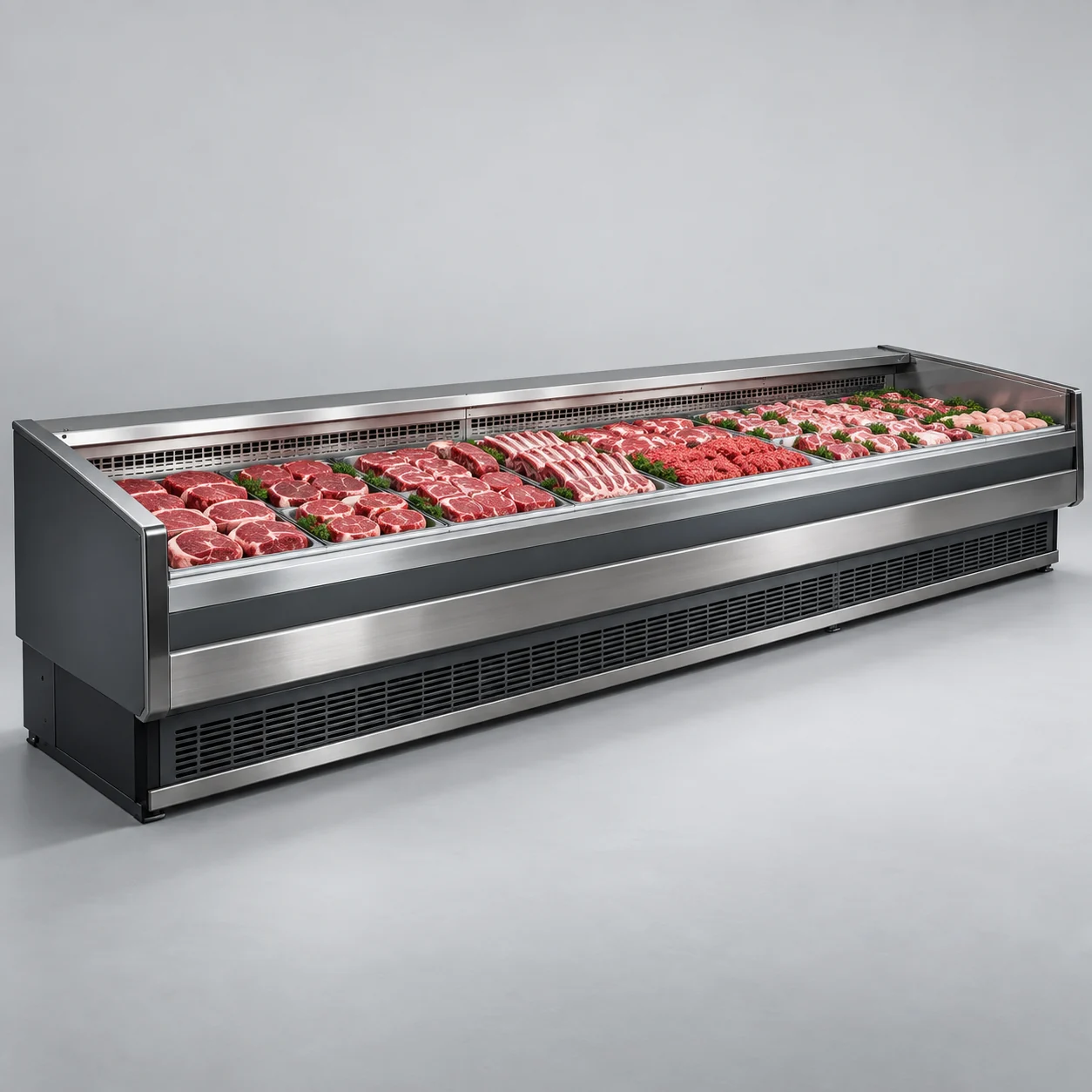
Fresh meat displays
An open-top fresh meat display without a curved glass canopy supports clear merchandising and counter access.
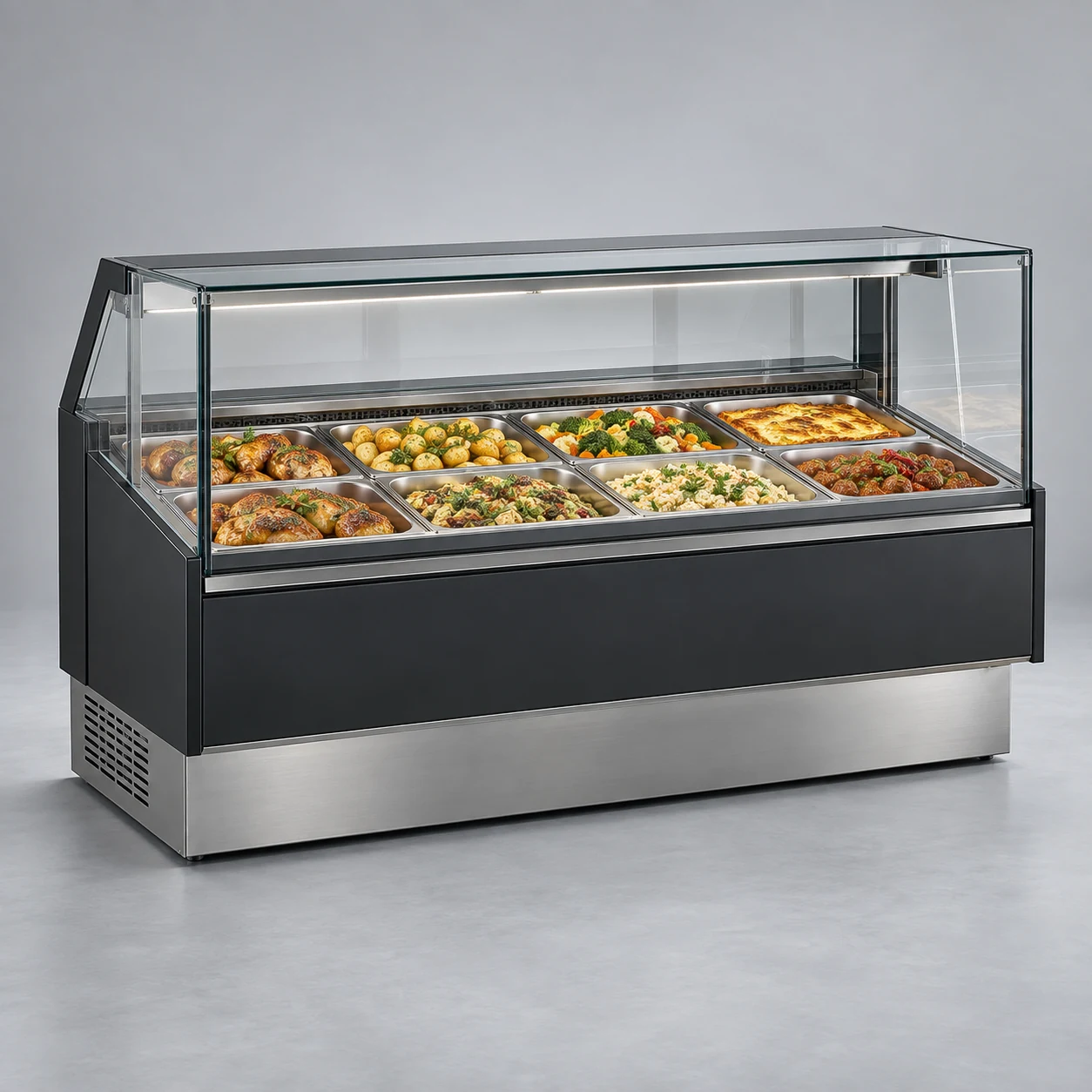 Supermarket refrigeration
Deli displays
Present prepared foods in a tidy, clearly organized service counter.