Store-wide convenience store equipment procurement uses a numbering table to link quotes with on-site operations
Assign a purpose and placement number to each device, and include accessories, on-site installation, and service transfer in the plan. When space is limited, adding a cabinet may simultaneously increase restocking convenience and traffic pressure. Compare revenue and space impact in the same context.
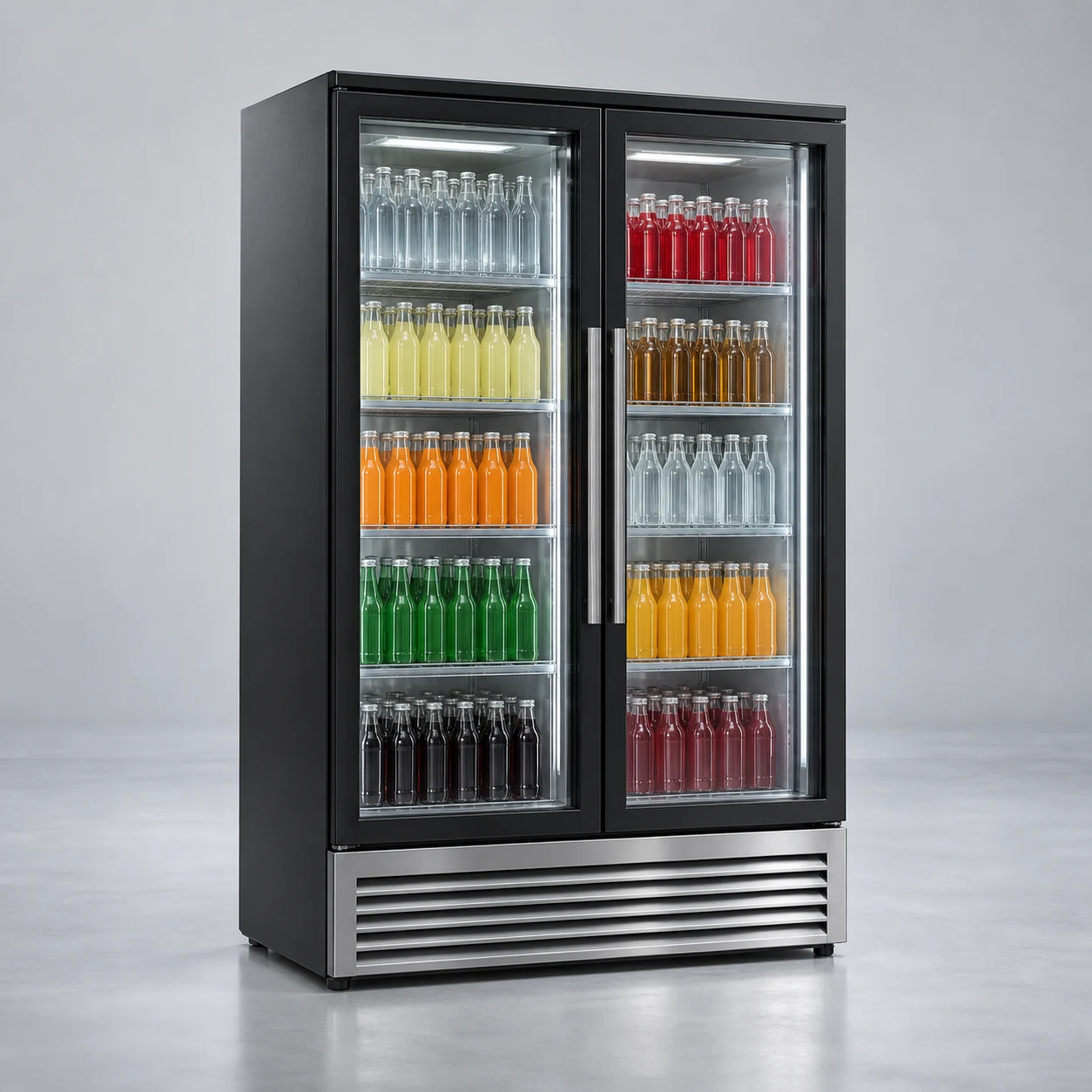
From procurement intent to a deliverable that can be verified
For a small convenience store planning to equip both a beverage cooler and a dairy display area, after deciding on the convenience store equipment combination, the focus shifted from comparing options to confirming boundaries. Assign a purpose and placement number to each device, and include accessories, on-site installation, and service transfer in the plan. Whole-store procurement requires checking the visual and operational relationships between adjacent devices, rather than simply inspecting each machine separately. A clear delivery arrangement should ensure that receiving staff, even without prior communication, know what to receive on-site and what additional support is needed.
The name and quantity of equipment are just the starting point of the list. It is recommended to list the model, physical dimensions, key configurations, attached components, on-site services, and documentation separately, indicating who provides each item. For actual usage items such as high-frequency beverages, dairy products, combined promotional packages, and small quantities of refrigerated food, if matching containers or additional accessories are needed, it must be clearly stated in the current quote to avoid using display images instead of a clear supply scope.
Keep the selection criteria until the order confirmation stage
Divide equipment needs based on product storage requirements, sales formats, and available space, without simply listing all refrigerated items in a single quantity table. Highly frequent items and products that require explanation should have different display considerations. These requirements cannot disappear from the document after the total price is determined. Before placing the order, the final selection should be matched item by item with the original requirements list to ensure there are no new discrepancies due to size, configuration, or on-site conditions. Changes that need to be accepted should be justified, and unresolved issues should be followed up on.
The inspection upon delivery must correspond to actual tasks, not just a count of equipment names. For example, in a convenience store equipment setup, if a small store wants to add a set of beverage coolers while retaining the dairy aisle, the product uses and space changes should be compared together. The access and restocking conditions after adding equipment need to correspond to the original working mode. This item should be referenced in confirmation documents or delivery records, detailing the actual inspection results and pending matters. Use the same number when different personnel are involved, and do not substitute parts that appear similar in images with model and configuration confirmation. Matters requiring professional judgment should continue to be handled by the responsible personnel. Records that can be accessed by both parties are more helpful for smooth handover than temporary verbal explanations.
Prepare the on-site conditions before delivery.
Combine checkout lines, entry access, and freezer access on the same diagram to check for overlapping during peak hours. A small store should especially observe whether another customer can still complete normal picking after the door opens. The ability of the equipment to enter the store does not mean that the final installation location meets all requirements. It is necessary to verify the unloading, handling, turning, and temporary placement arrangements after delivery, and have relevant professionals confirm that the installation setup matches the equipment documentation.
On-site preparation should be evaluated based on actual actions taken, not just signing on the drawings. For example, in a convenience store equipment setup, if customers are queuing at the cash register during off-hours and someone stays in front of the refrigerators, two staff members can be used for simultaneous demonstration. Observing the intersection points of picking, opening the door, and queuing is more valuable than measuring the channels alone when there is no store. This item should be referenced in confirmation documents or delivery records, detailing the actual inspection results and pending matters. Use the same number when different personnel are involved, and do not substitute parts that appear similar in images with model and configuration confirmation. Matters requiring professional judgment should continue to be handled by the responsible personnel. Records that can be accessed by both parties are more helpful for smooth handover than temporary verbal explanations.
Inspection involves checking both the equipment and its intended use.
When space is limited, adding a cabinet may simultaneously increase restocking convenience and traffic pressure. Compare revenue and space impact in the same context. Inspection should not be limited to observing the appearance from a distance or simply asking if it can be started. The model, quantity, components, and appearance status should be checked according to confirmed information, and normal operation should be verified under permissible conditions to ensure the actual container and operating position work together.
These records are still needed after delivery, so the documentation should be easily understood by store staff. For example, in a convenience store equipment setup, if the promotional product positions are temporarily adjusted during night shift but restocking still follows the old map during day shift, it is easy to cause repeated organization. The transfer sheet should highlight the changed areas, while the stable storage locations should remain concise and uniform. This item should be referenced in confirmation documents or delivery records, detailing the actual inspection results and pending matters. Use the same number when different personnel are involved, and do not substitute parts that appear similar in images with model and configuration confirmation. Matters requiring professional judgment should continue to be handled by the responsible personnel. Records that can be accessed by both parties are more helpful for smooth handover than temporary verbal explanations.
The documentation and personnel handover should be completed before delivery ends.
Using fixed location maps and concise restocking tables helps different shifts remain consistent, with emphasis on recording position changes caused by temporary promotions. The usage patterns differ between night and day; they should be observed separately, and one period cannot be used to infer the whole day. This kind of daily work requires finding the responsible person at the time of delivery, rather than arranging additional arrangements after the equipment has been used for a period of time. Instructions, names of commonly used components, service contact methods, and pending matters should be handed over to those who actually use the equipment daily.
It is recommended to establish a concise equipment file that includes confirmation images, configuration lists, receipt records, operation documents, and follow-up communication results. For training-related content, record the participants and unclear issues, so that the knowledge can be passed on when shifts are changed. When communicating with BAONIER about the convenience store equipment combination project, materials can be organized in the order of ‘requirement confirmation—on-site preparation—delivery verification—handover after use’; Each step should have accessible results, so that procurement truly becomes sustainable equipment.