During delivery and acceptance of the slicing machine, confirm each item from the applicable objects to protective accessories
Check the applicable objects, accessories, protective components, and usage training of the equipment, and confirm that the manual corresponds to the actual model. Before pursuing thin slices or high speed, confirm the condition of the raw materials and the range of the equipment; Defining clear task boundaries is more beneficial for selection than general requests for ‘one machine for all’.
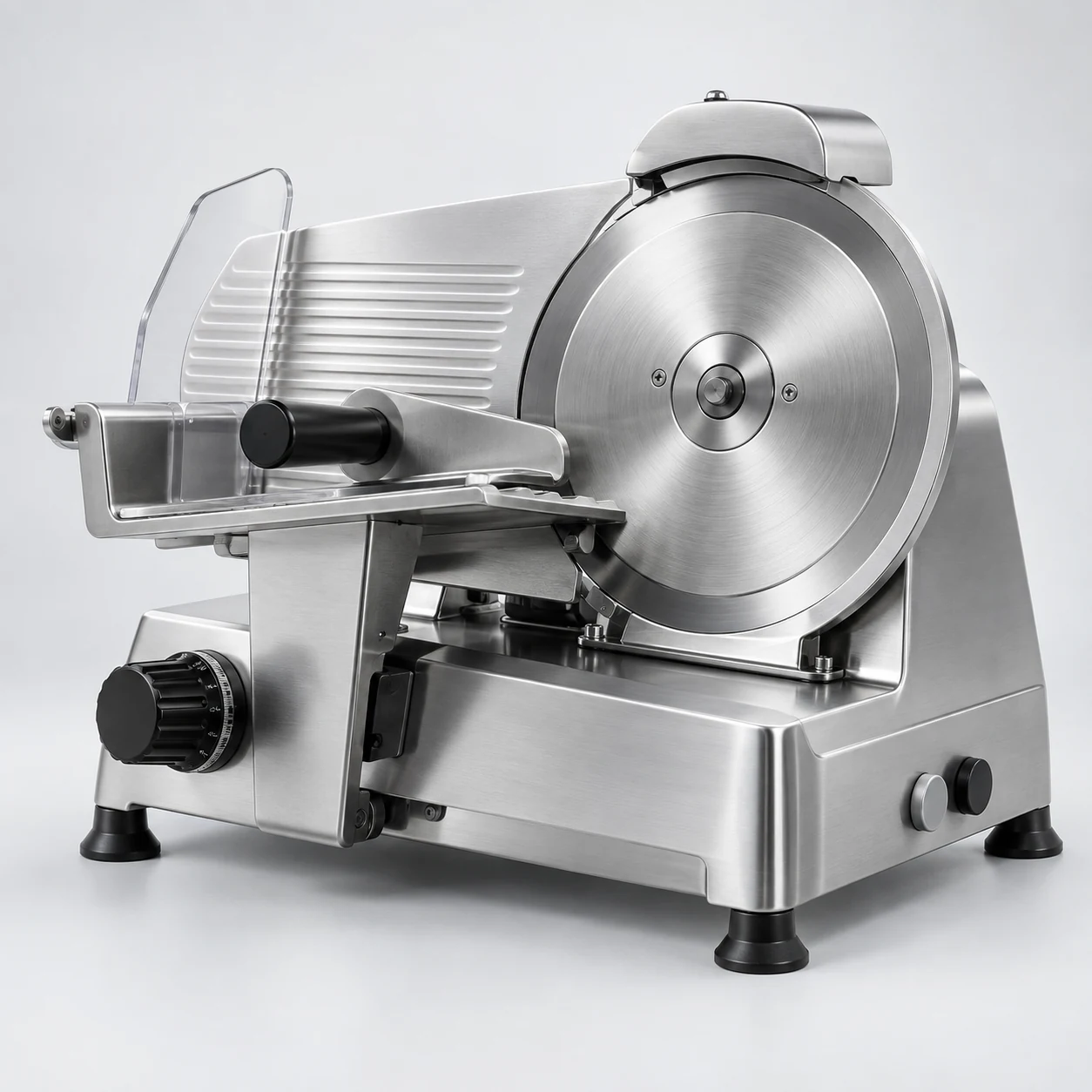
From procurement intent to a deliverable that can be verified
Food stores wish to organize slicing processing tasks for different raw materials. After deciding to purchase a slicer, the focus shifts from comparing options to confirming boundaries. Check the applicable objects, accessories, protective components, and usage training of the equipment, and confirm that the manual corresponds to the actual model. The raw materials shown in the sample diagram cannot replace the confirmation of suitability for specific ingredients. A clear delivery arrangement should ensure that receiving staff, even without prior communication, know what to receive on-site and what additional support is needed.
The name and quantity of equipment are just the starting point of the list. It is recommended to list the model, physical dimensions, key configurations, attached components, on-site services, and documentation separately, indicating who provides each item. For actual usage objects such as raw materials of various forms, material receiving containers, packaging materials, and processing batches, if supporting containers or additional accessories are required, it must be stated whether they are included in the current quotation to avoid using display images instead of a clear supply scope.
Keep the selection criteria until the order confirmation stage
First, clearly identify the types and conditions of raw materials, then have the equipment provider confirm if they are suitable for use. Do not treat all ingredients as the same processing object. Thickness requirements, batch scale, and subsequent packaging methods should be included in the consultation documents together. These requirements cannot disappear from the document after the total price is determined. Before placing the order, the final selection should be matched item by item with the original requirements list to ensure there are no new discrepancies due to size, configuration, or on-site conditions. Changes that need to be accepted should be justified, and unresolved issues should be followed up on.
The inspection upon delivery must correspond to actual tasks, not just a count of equipment names. Taking the slicer as an example, if the types and conditions of raw materials planned for processing change, it is necessary to recheck the applicable range of the slicer. Requirements for thickness and output performance should be explained in relation to specific raw materials, and cannot be just an abstract goal. This item should be referenced in confirmation documents or delivery records, detailing the actual inspection results and pending matters. Use the same number when different personnel are involved, and do not substitute parts that appear similar in images with model and configuration confirmation. Matters requiring professional judgment should continue to be handled by the responsible personnel. Records that can be accessed by both parties are more helpful for smooth handover than temporary verbal explanations.
Prepare the on-site conditions before delivery.
Arrange the positions for unprocessed materials, completed processing, and packaging separately to reduce cross-movement of containers. The operating space and protection requirements are specified in the equipment manual; no necessary space should be reduced just to make it closer to other surfaces. The ability of the equipment to enter the store does not mean that the final installation location meets all requirements. It is necessary to verify the unloading, handling, turning, and temporary placement arrangements after delivery, and have relevant professionals confirm that the installation setup matches the equipment documentation.
On-site preparation should be evaluated based on actual actions taken, not just signing on the drawings. Take the slicing machine as an example. Suppose the material receiving position is too close to the container to be processed, requiring employees to repeatedly identify items during task switching. First, define area labels and container arrangements, then users should follow the standard procedures demonstrated by trained personnel. This item should be referenced in confirmation documents or delivery records, detailing the actual inspection results and pending matters. Use the same number when different personnel are involved, and do not substitute parts that appear similar in images with model and configuration confirmation. Matters requiring professional judgment should continue to be handled by the responsible personnel. Records that can be accessed by both parties are more helpful for smooth handover than temporary verbal explanations.
Inspection involves checking both the equipment and its intended use.
Before pursuing thin slices or high speed, confirm the condition of the raw materials and the range of the equipment; Defining clear task boundaries is more beneficial for selection than general requests for ‘one machine for all’. Inspection should not be limited to observing the appearance from a distance or simply asking if it can be started. The model, quantity, components, and appearance status should be checked according to confirmed information, and normal operation should be verified under permissible conditions to ensure the actual container and operating position work together.
These records are still needed after delivery, so the documentation should be easily understood by store staff. In the case of the slicing machine, if there are differences in slicing results compared to previous times, record the raw materials, batch, and the equipment status at that time. Tool-related operations should be performed by qualified personnel following specific instructions; self-disassembly should not be considered a routine check. This item should be referenced in confirmation documents or delivery records, detailing the actual inspection results and pending matters. Use the same number when different personnel are involved, and do not substitute parts that appear similar in images with model and configuration confirmation. Matters requiring professional judgment should continue to be handled by the responsible personnel. Records that can be accessed by both parties are more helpful for smooth handover than temporary verbal explanations.
The documentation and personnel handover should be completed before delivery ends.
Record raw materials, batches, equipment status, and shift handover details. Handle any abnormalities immediately according to usage requirements. Tool-related operations, disassembly, and maintenance should be carried out by qualified personnel according to instructions, without turning personal practices into universal steps. This kind of daily work requires finding the responsible person at the time of delivery, rather than arranging additional arrangements after the equipment has been used for a period of time. Instructions, names of commonly used components, service contact methods, and pending matters should be handed over to those who actually use the equipment daily.
It is recommended to establish a concise equipment file that includes confirmation images, configuration lists, receipt records, operation documents, and follow-up communication results. For training-related content, record the participants and unclear issues, so that the knowledge can be passed on when shifts are changed. When communicating about the slicer project with BAONIER, materials can be organized in the order of ‘requirement confirmation—on-site preparation—delivery verification—handover during use’; Each step should have accessible results, so that procurement truly becomes sustainable equipment.