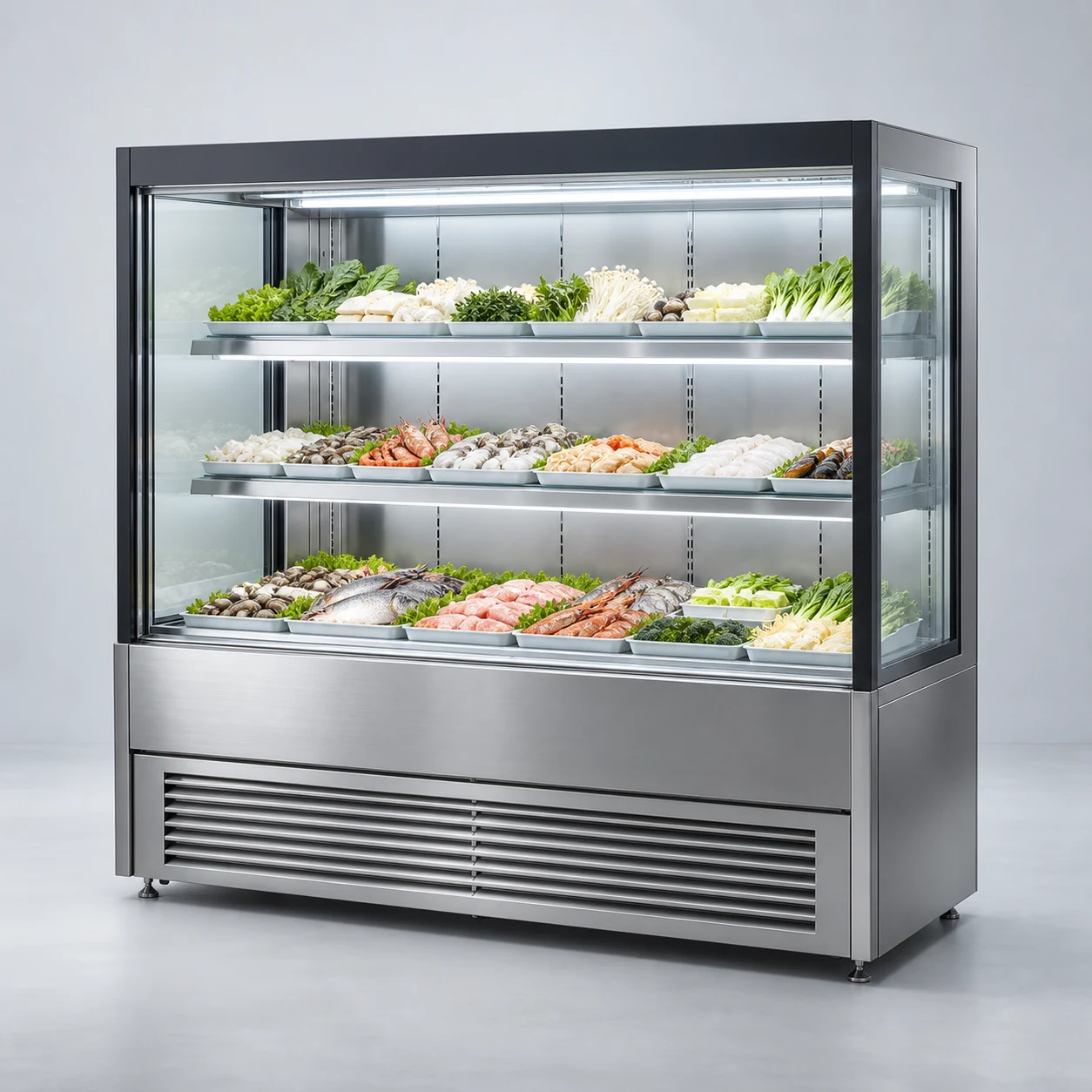
Catering equipment
Menu display cabinets
Display ingredients clearly to support menu selection and restaurant service.
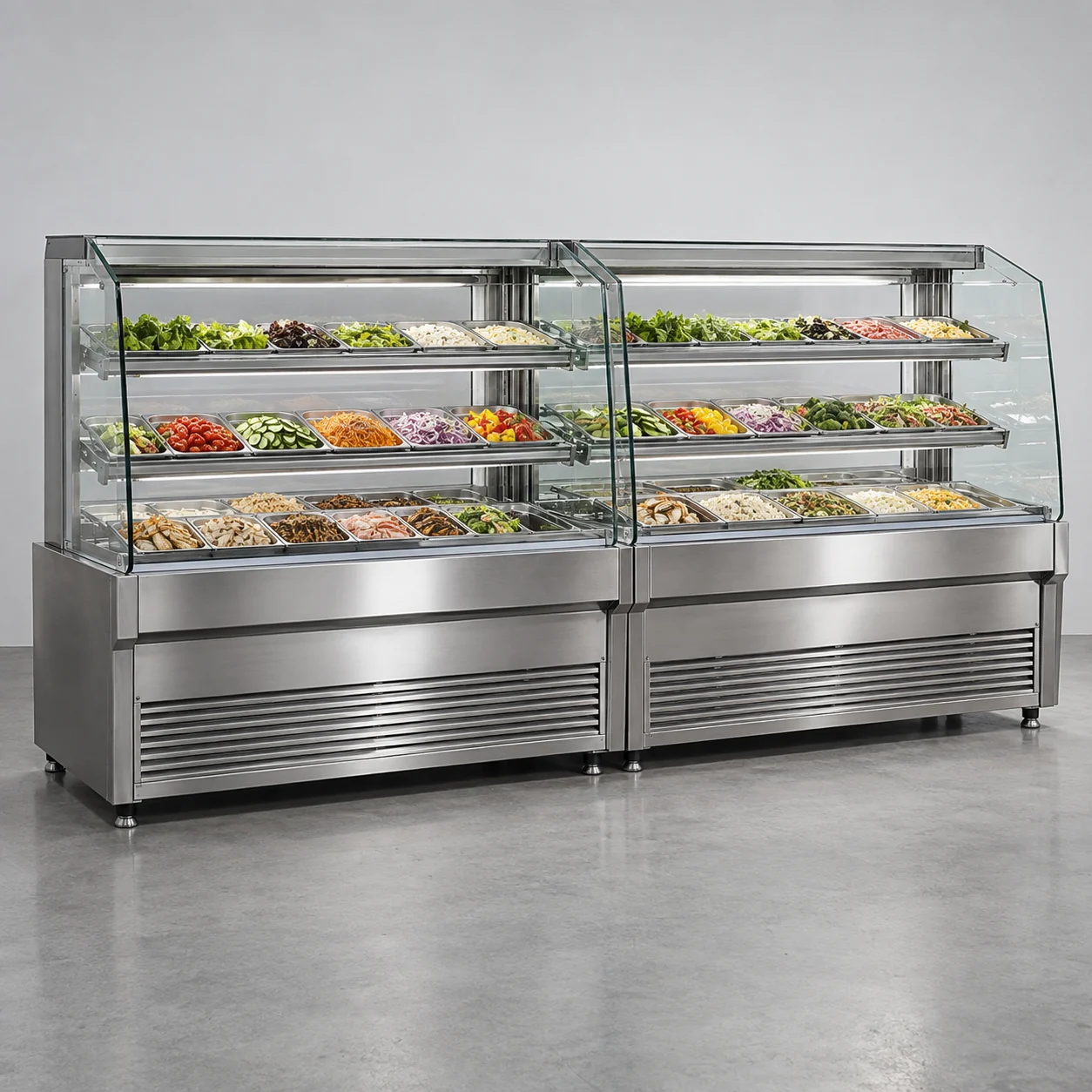
Modular combination for menu display cabinets, arranged around access and everyday work.
Choose equipment around the goods you store, the way you display them and the space available.
Modular combination for menu display cabinets, arranged around access and everyday work.
Compare the working arrangement with real packages, containers and staff movements. Keep display, access and preparation positions clear.
The modular combination arrangement should be considered together with the shop floor plan and adjacent equipment.
Record entrances, fixed structures and service access before confirming the arrangement. Check the complete loading and retrieval movement with representative containers.
Arrange stock, containers and tools by the intended task. Restore clear working positions after replenishment and record changes when the assortment or process is updated.
Follow the selected equipment instructions for operation and cleaning. Review access and accessories whenever the working arrangement changes.
| Item | Description |
|---|---|
| Product | Menu display cabinets — Modular combination |
| Layout | Modular combination |
| Application | Commercial catering equipment settings |
| Configuration | Confirm against selected model documentation |
Display ingredients clearly to support menu selection and restaurant service.
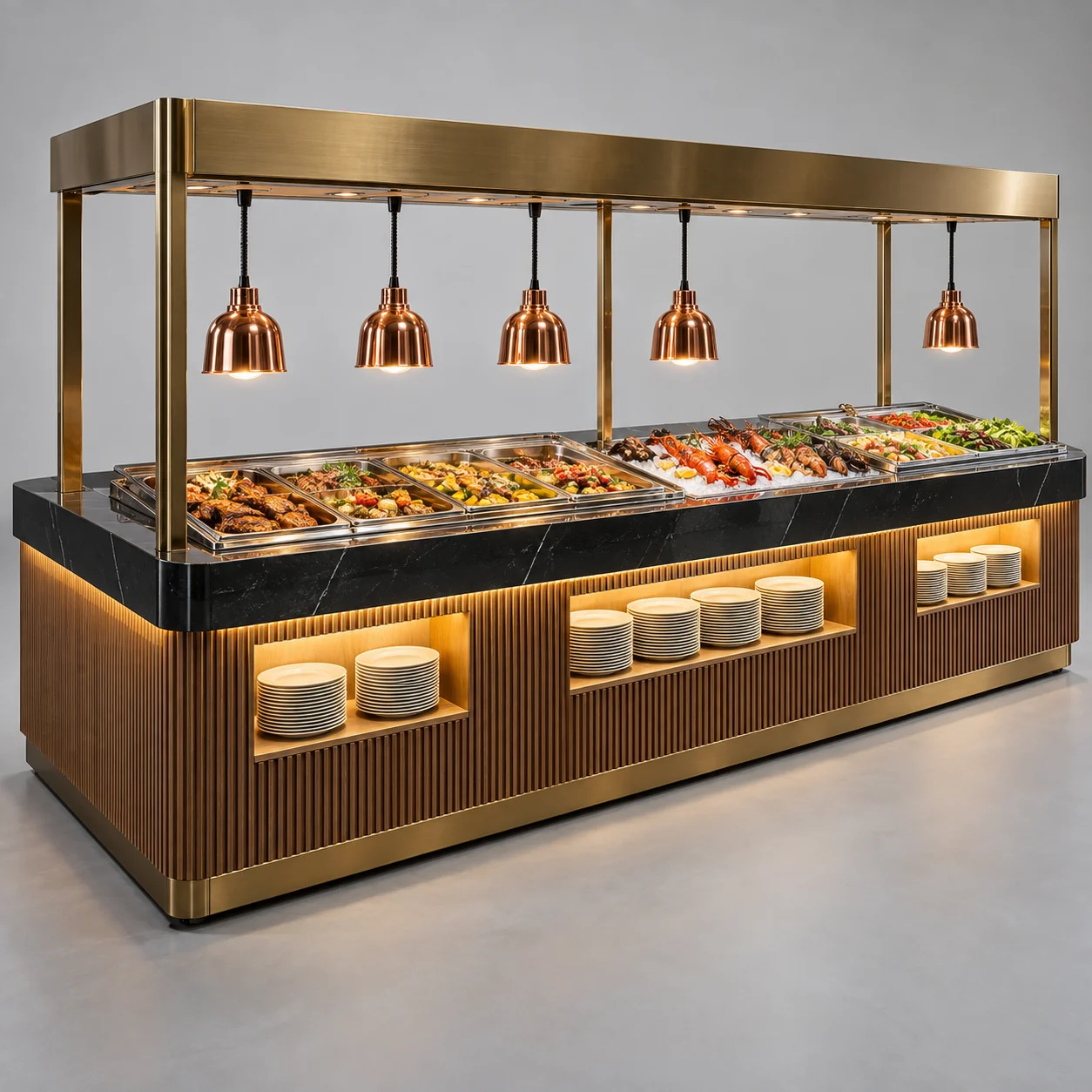
A commercial buffet counter combines plate storage, serving surfaces and an overhead lamp framework.
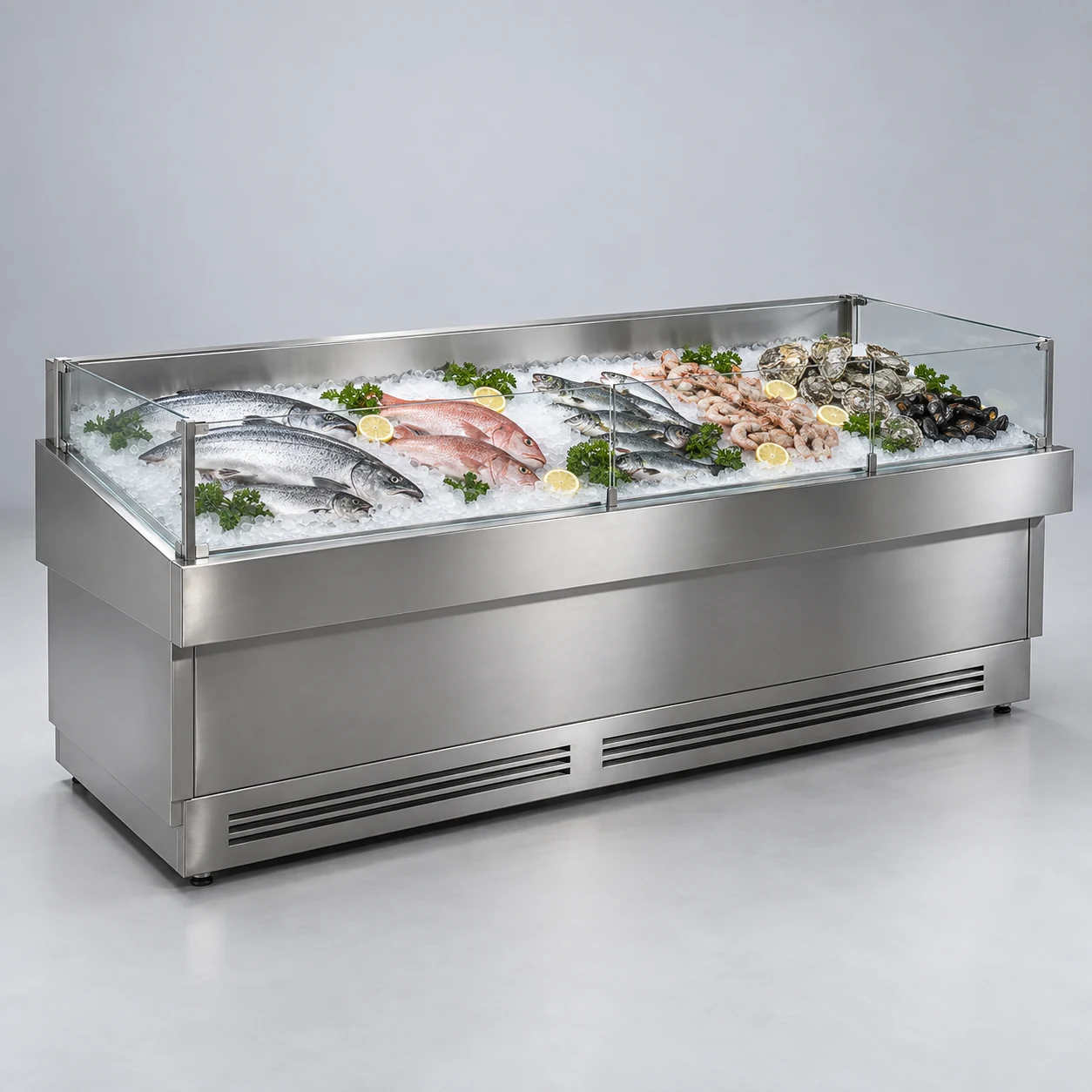
An open ice bed highlights the colour and texture of fresh seafood.
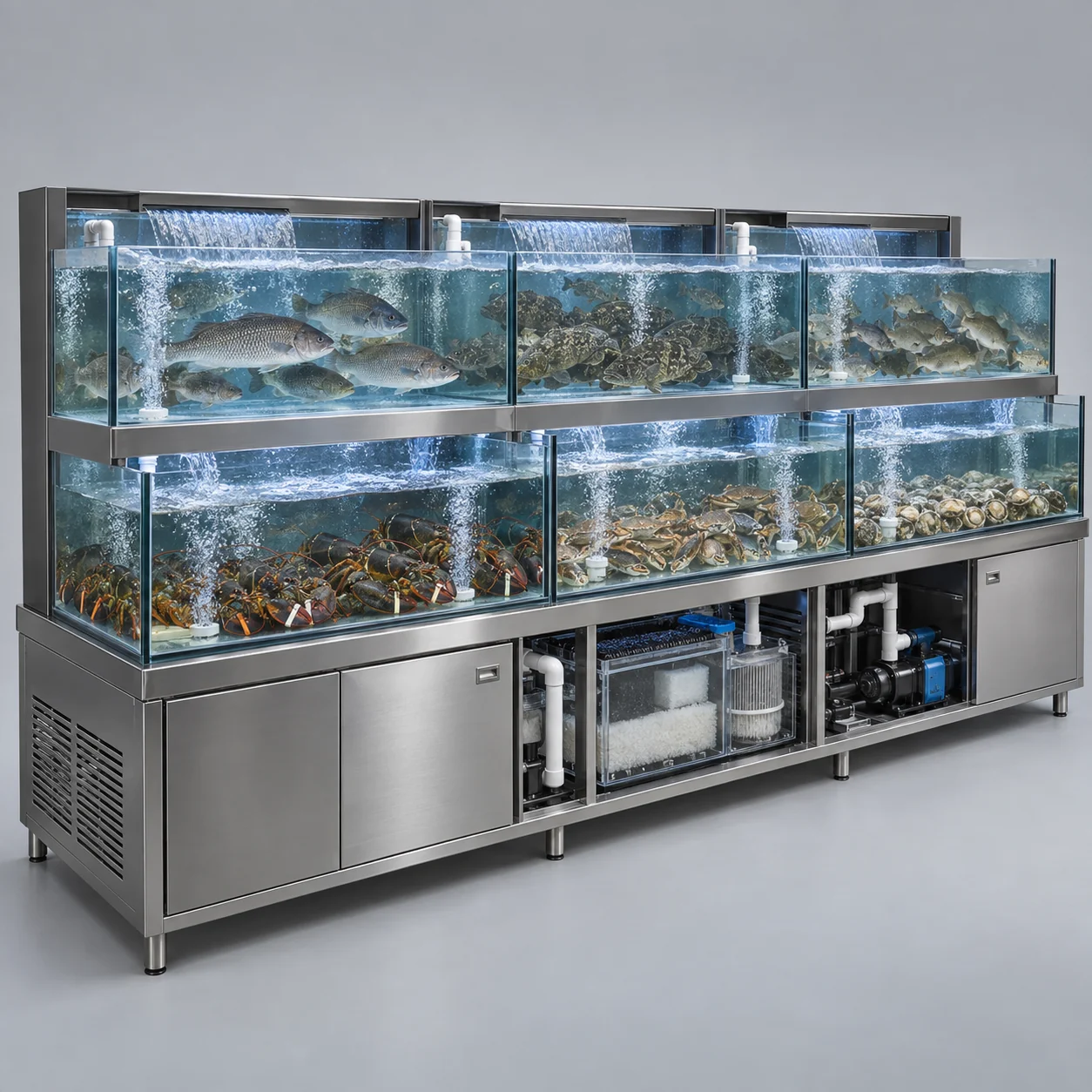
Commercial live seafood tanks for restaurants and supermarkets, with separate compartments for edible fish and shellfish.
Clean and maintain according to the equipment manual. Keep the ventilation area unobstructed, regularly check door seals and drainage; Maintenance of electrical and refrigeration systems should be handled by professionals.
Read more ↗When selecting a menu cabinet, first define the business objectives, then compare the appearance and specifications of the equipment. For example, when a restaurant adjusts the connection between customers viewing dishes and kitchen preparation, the first thing that needs to be organized is not how many cabinets to purchase, but how the dish display trays, price labels, ingredients, and transfer containers are stored, displayed, and circulated. The form of goods, personnel actions, and equipment functions are interconnected; only by clarifying these conditions clearly can there be a basis for comparison in subsequent plans.
Read more ↗The layout of the dish display cabinets needs to consider both the customer side and the staff side, not just include the equipment in the floor plan as if it’s done. When a restaurant adjusts the connection between customers viewing dishes and kitchen preparation, actions such as viewing, picking up, replenishing, and cleaning often occur around the equipment. The focus of the planning is to ensure these actions can be seamlessly connected in the same space, rather than simply aiming for neat equipment arrangement.
Read more ↗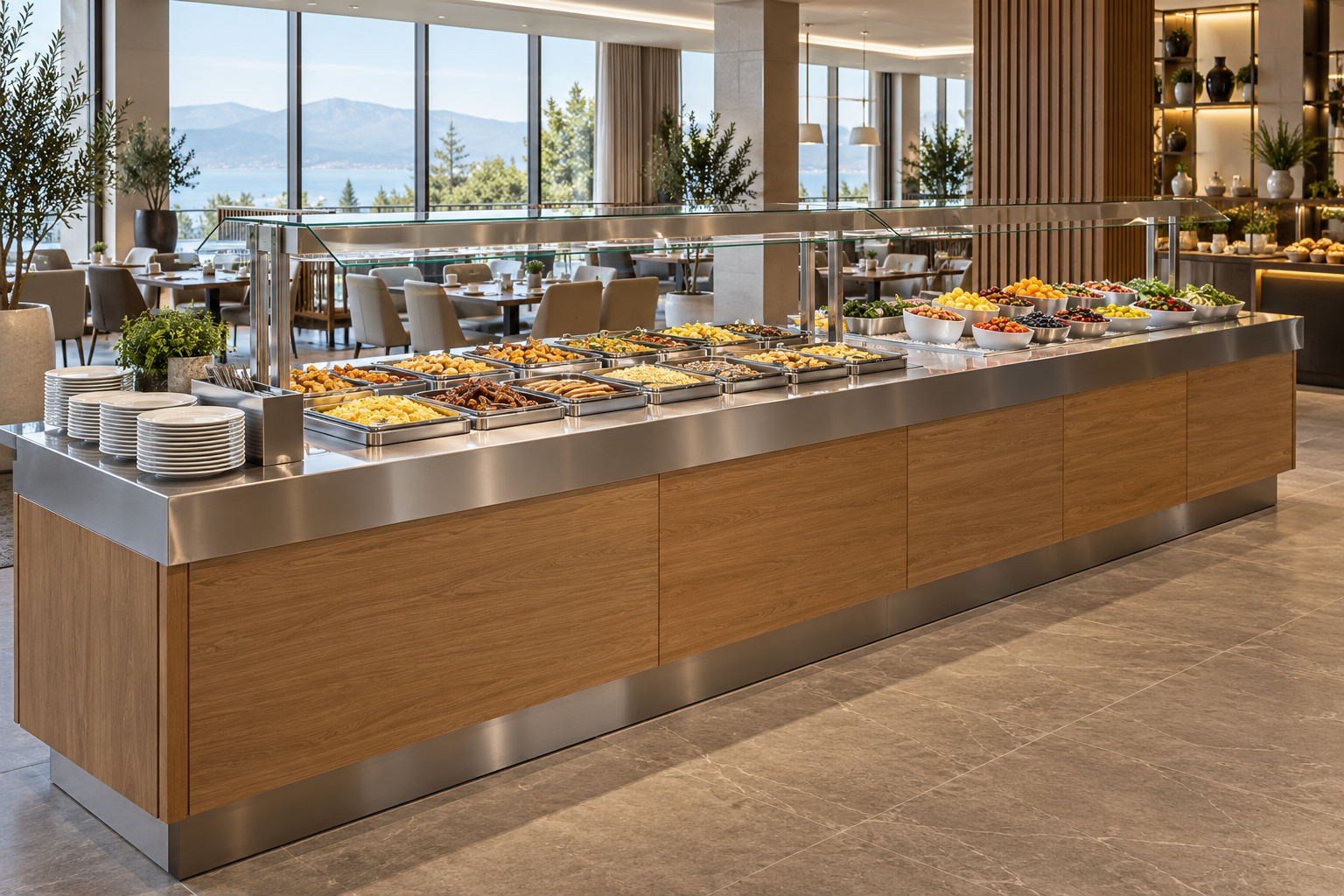
A buffet table does more than display food. Planning the menu, serving sequence, pan sizes and staff replenishment routes together helps balance presentation, service and everyday cleaning.
Read article ↗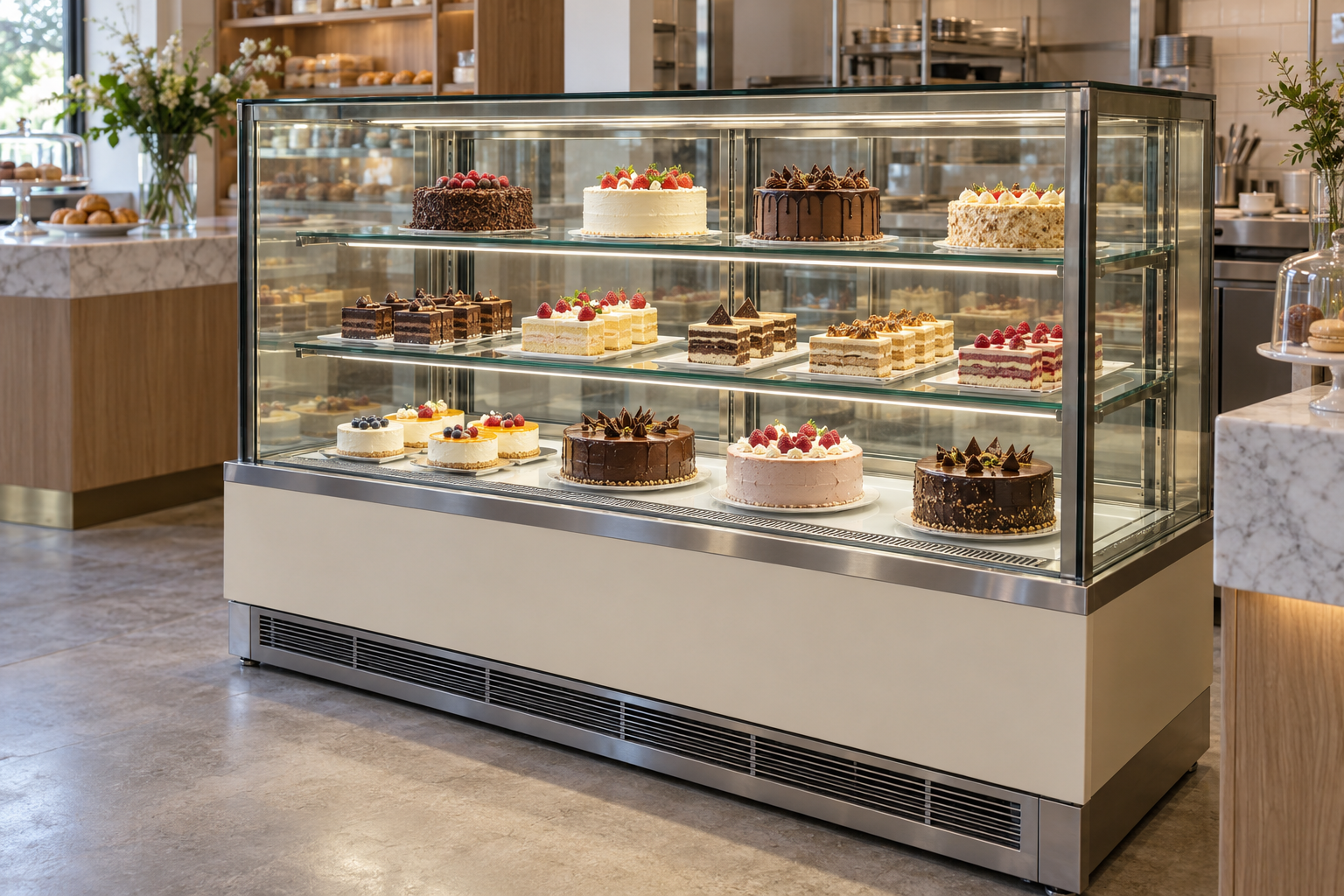
Whole cakes, individual portions and boxed pastries need different display arrangements. Explore cake-display selection through product dimensions, visibility, staff handling and daily management.
Read article ↗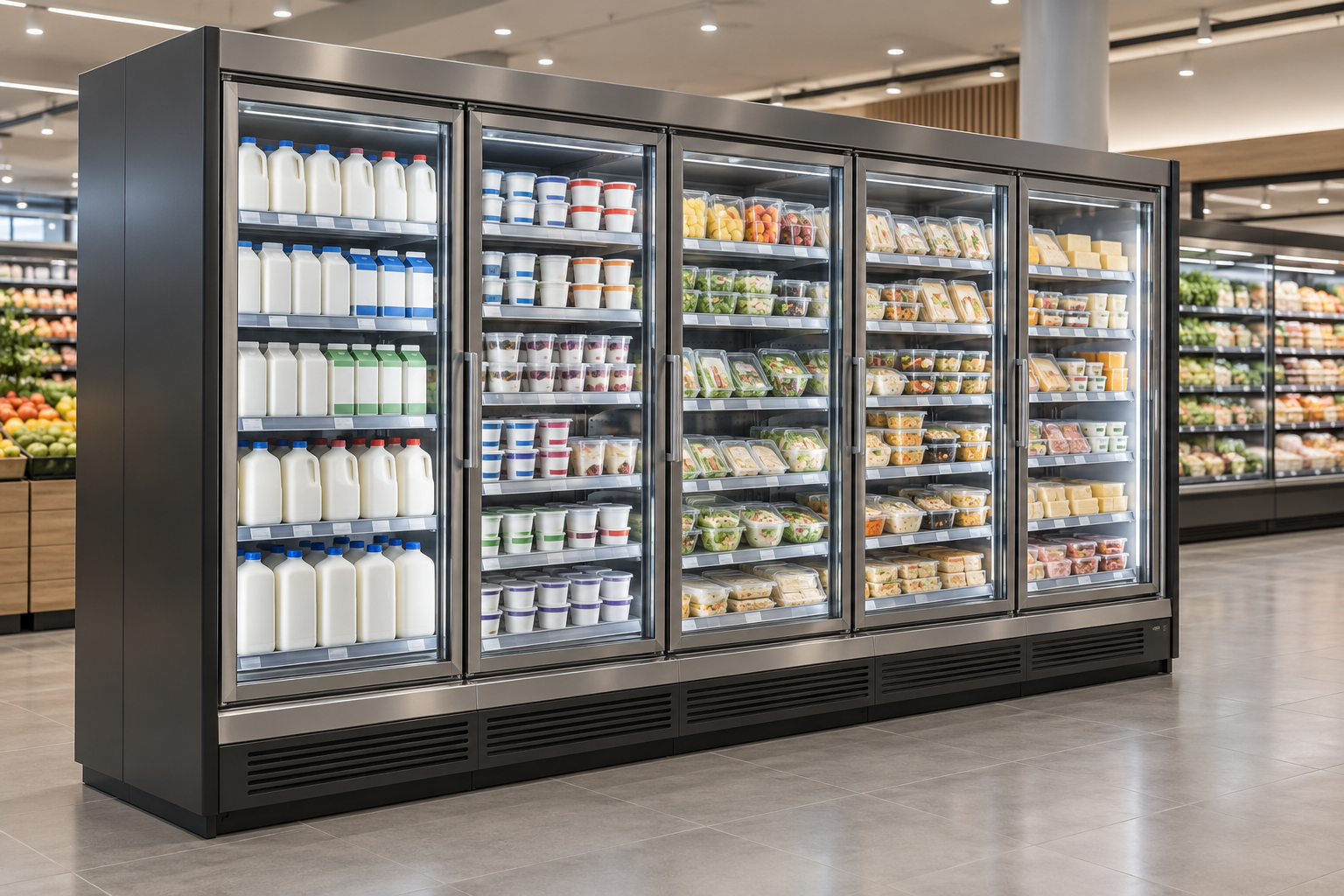
Plan refrigerated retail displays around packaging, customer access, staff replenishment and operating conditions. This guide connects cabinet selection with everyday store management.
Read article ↗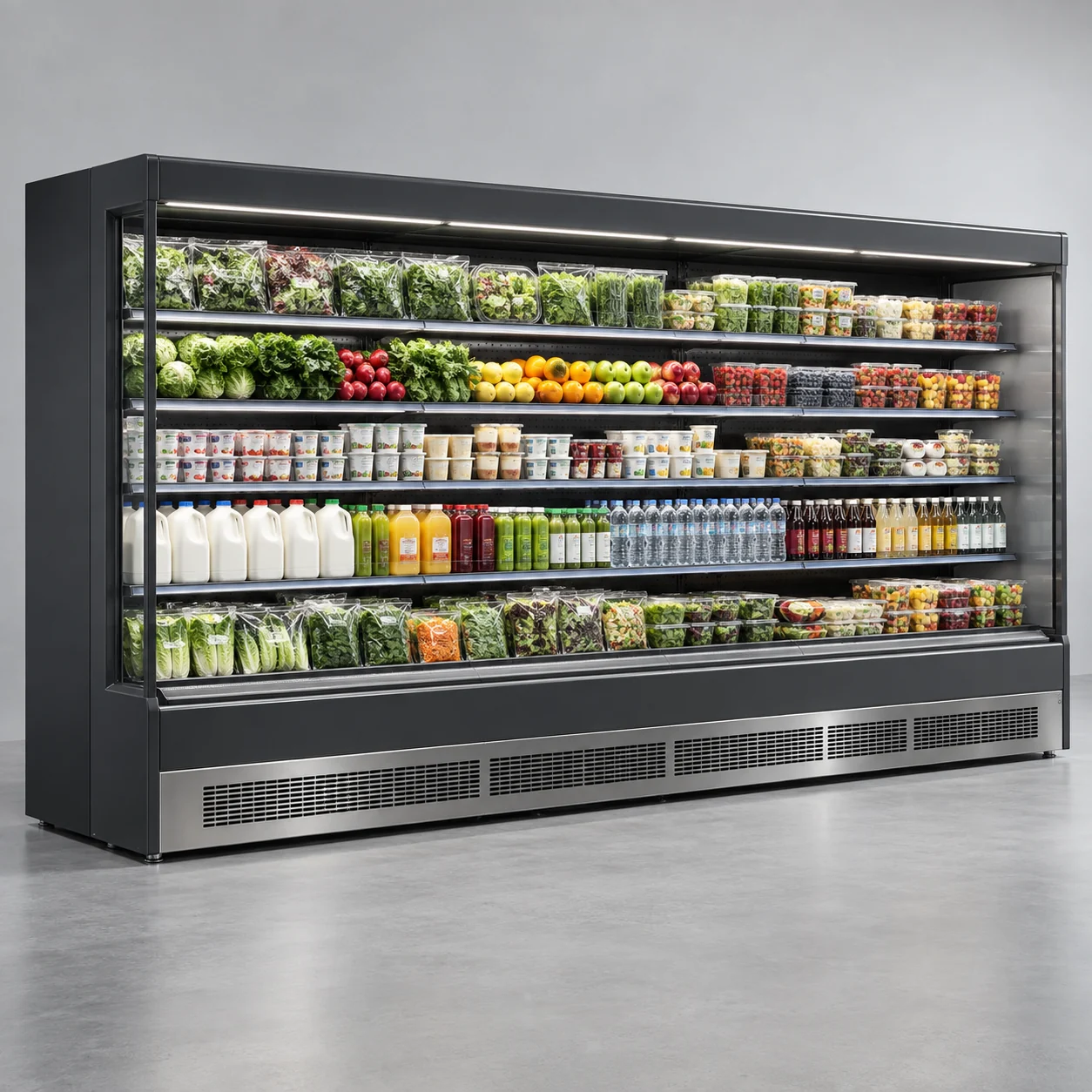
Describe the needs with the length, width and height of the packaging, the number of single rows and the replenishment interval, and then compare the display mode of the open cabinet and the door cabinet. Longer rows of cabinets are conducive to unified vision, and it may be easier to adjust by category if they are divided into multiple groups. It should be combined with the comparison of existing channels and future business changes, rather than judging by the number of cabinets alone.
Read article ↗Leave your contact details and requirements. We will get in touch.