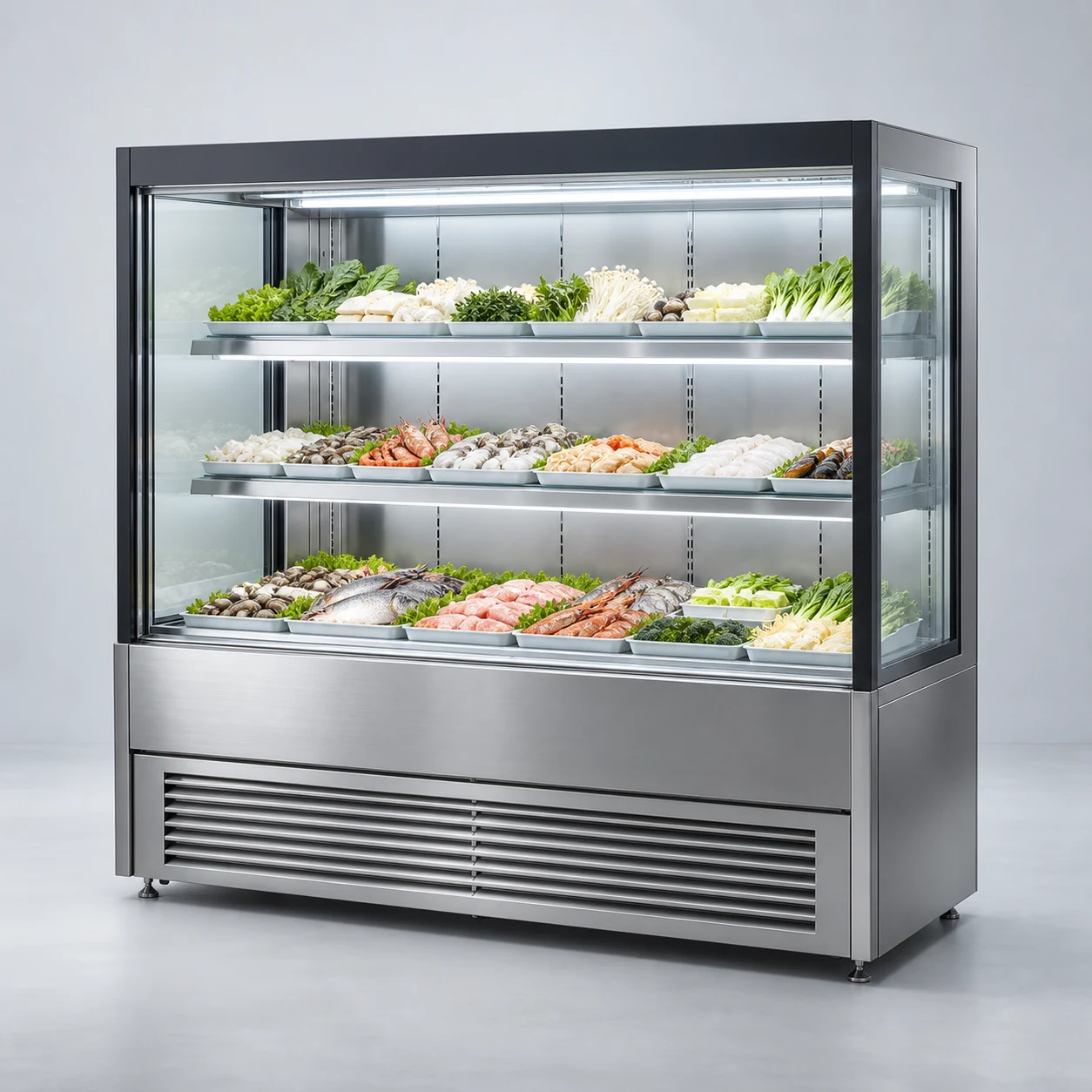
Catering equipment
Menu display cabinets
Display ingredients clearly to support menu selection and restaurant service.
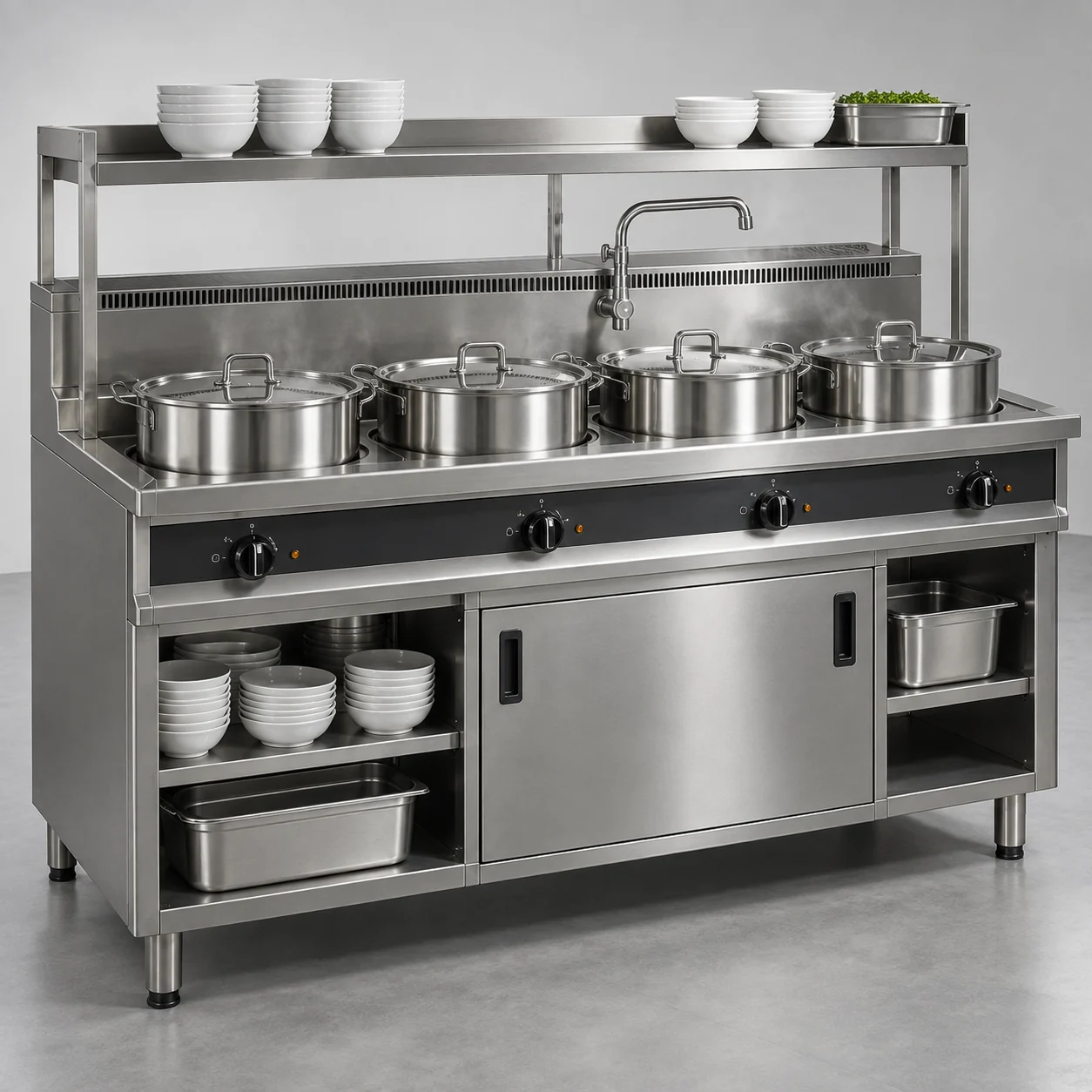
Zoned configuration for soup simmering stoves, arranged around access and everyday work.
Choose equipment around the goods you store, the way you display them and the space available.
Zoned configuration for soup simmering stoves, arranged around access and everyday work.
Compare the working arrangement with real packages, containers and staff movements. Keep display, access and preparation positions clear.
The zoned configuration arrangement should be considered together with the shop floor plan and adjacent equipment.
Record entrances, fixed structures and service access before confirming the arrangement. Check the complete loading and retrieval movement with representative containers.
Arrange stock, containers and tools by the intended task. Restore clear working positions after replenishment and record changes when the assortment or process is updated.
Follow the selected equipment instructions for operation and cleaning. Review access and accessories whenever the working arrangement changes.
| Item | Description |
|---|---|
| Product | Soup simmering stoves — Zoned configuration |
| Layout | Zoned configuration |
| Application | Commercial catering equipment settings |
| Configuration | Confirm against selected model documentation |
Display ingredients clearly to support menu selection and restaurant service.
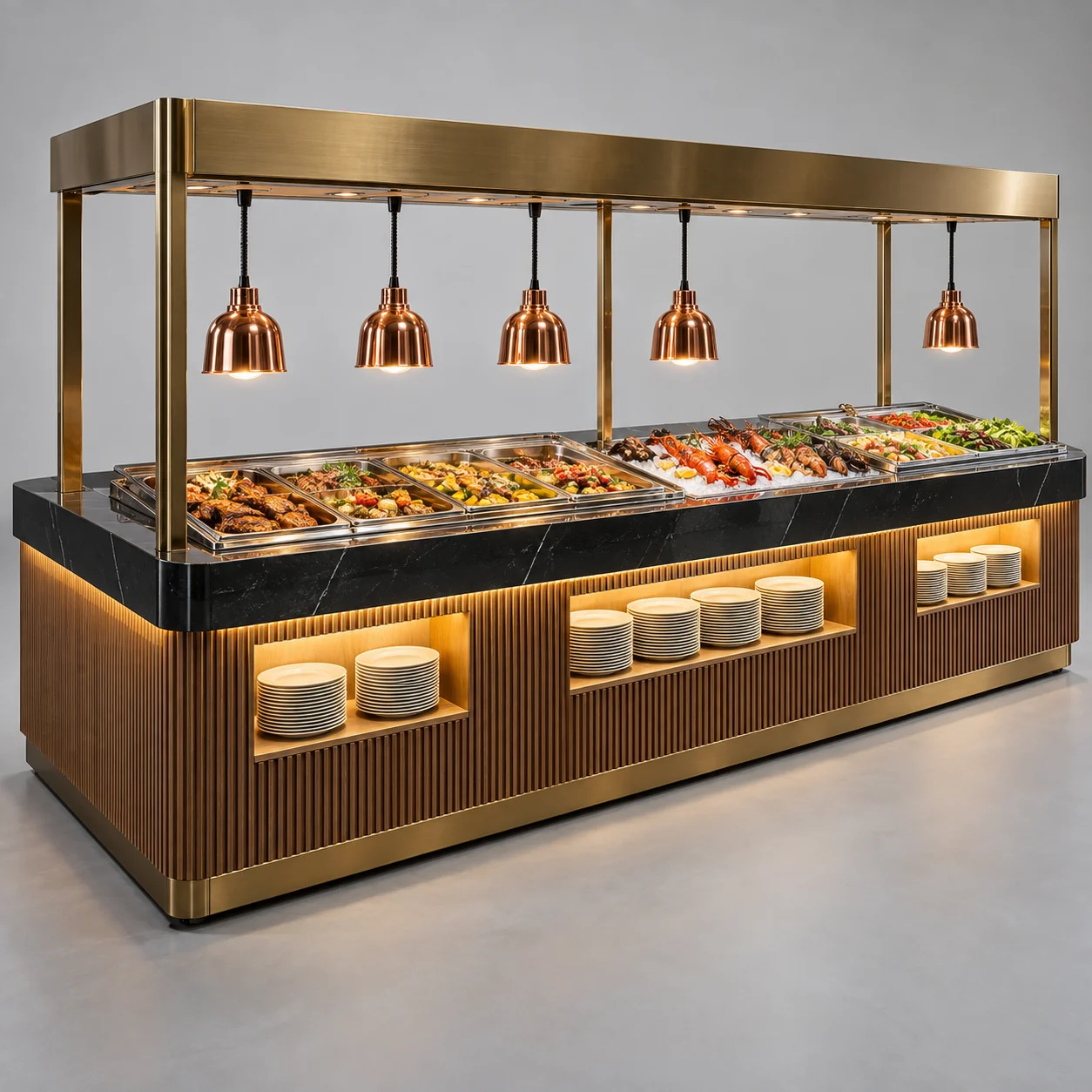
A commercial buffet counter combines plate storage, serving surfaces and an overhead lamp framework.
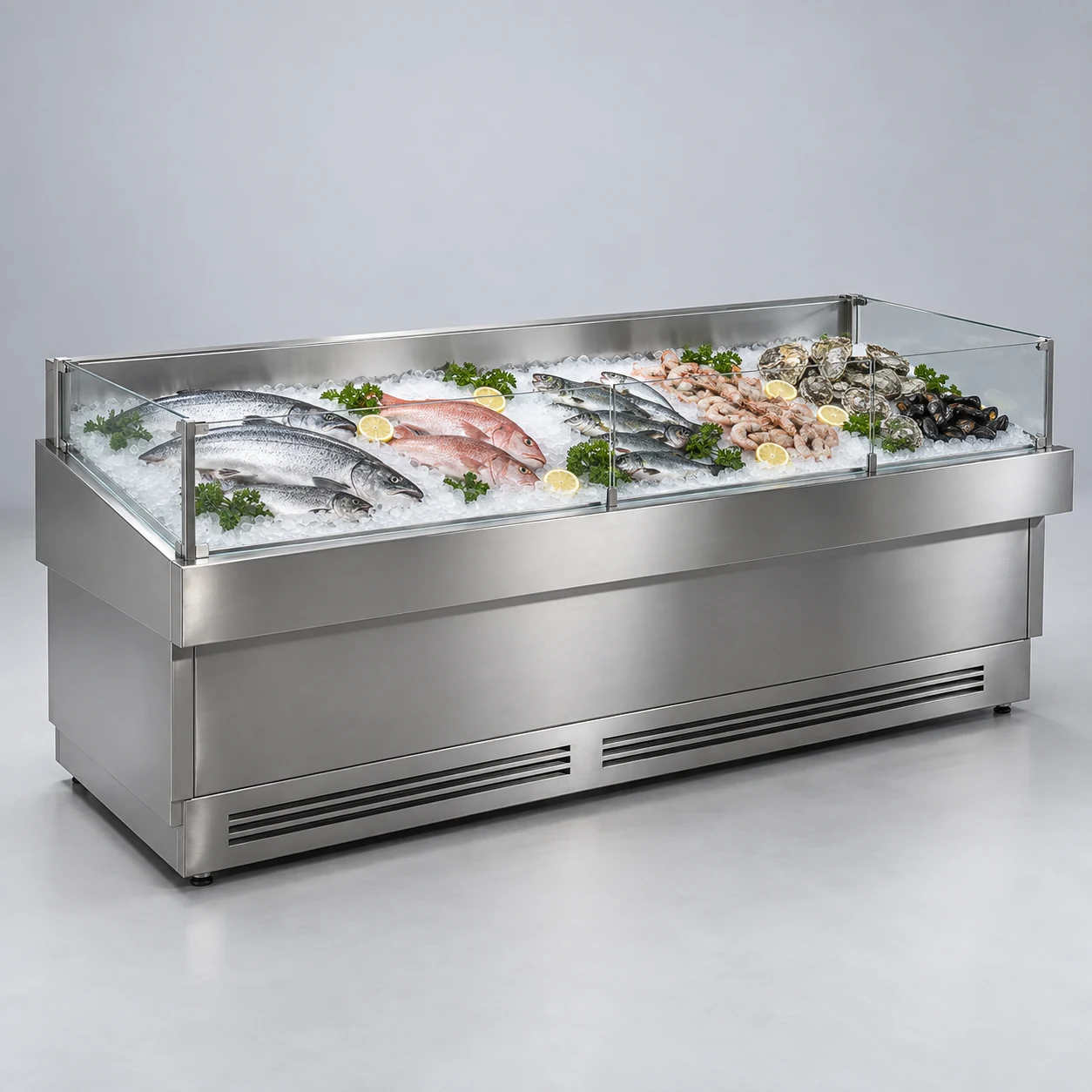
An open ice bed highlights the colour and texture of fresh seafood.
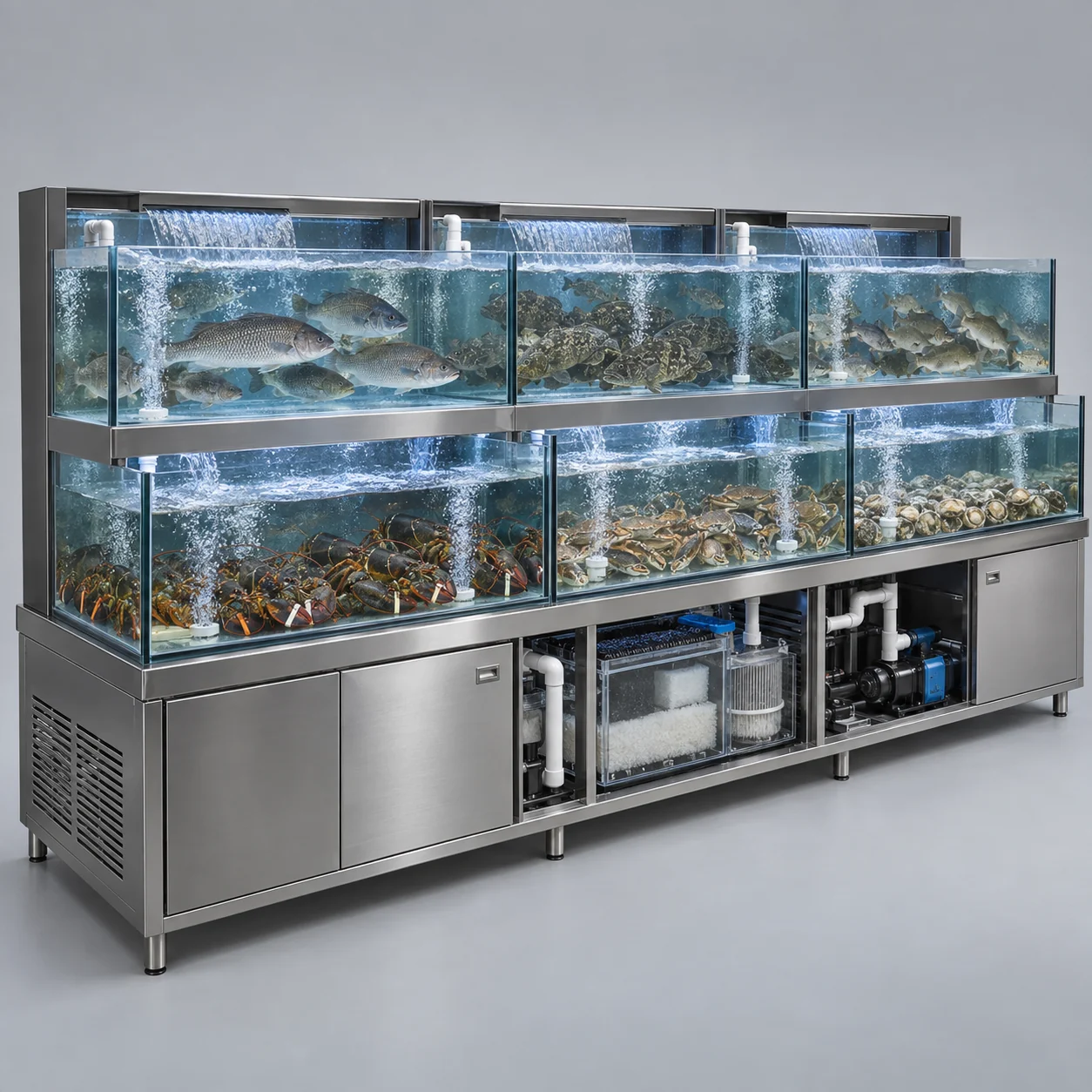
Commercial live seafood tanks for restaurants and supermarkets, with separate compartments for edible fish and shellfish.
When selecting a stewing stove, first clarify the business objectives, then compare the equipment’s appearance and configuration. For example, when a restaurant prepares an independent soup service station, the first thing to organize is not how many units to purchase, but how the soup bowls, pots, ingredients containers, and service items should be stored, displayed, and circulated. The form of goods, personnel actions, and equipment functions are interconnected; only by clarifying these conditions clearly can there be a basis for comparison in subsequent plans.
Read more ↗The layout of the soup cooking stove needs to consider both the customer side and the work side, not just placing the equipment in the floor plan as if it’s done. When a restaurant sets up an independent soup service station, actions such as viewing, taking, replenishing, and cleaning often occur around the equipment. The focus of the planning is to ensure these actions can be seamlessly connected in the same space, rather than simply aiming for neat equipment arrangement.
Read more ↗The daily management of the soup cooking stove should focus on equipment status, product display, and personnel handover to establish stable records. In scenarios like setting up an independent soup service station, it is often difficult to reconstruct the process when information is only found after obvious issues occur. The purpose of recording is to let the next shift and service staff know what happened, rather than adding unnecessary forms.
Read more ↗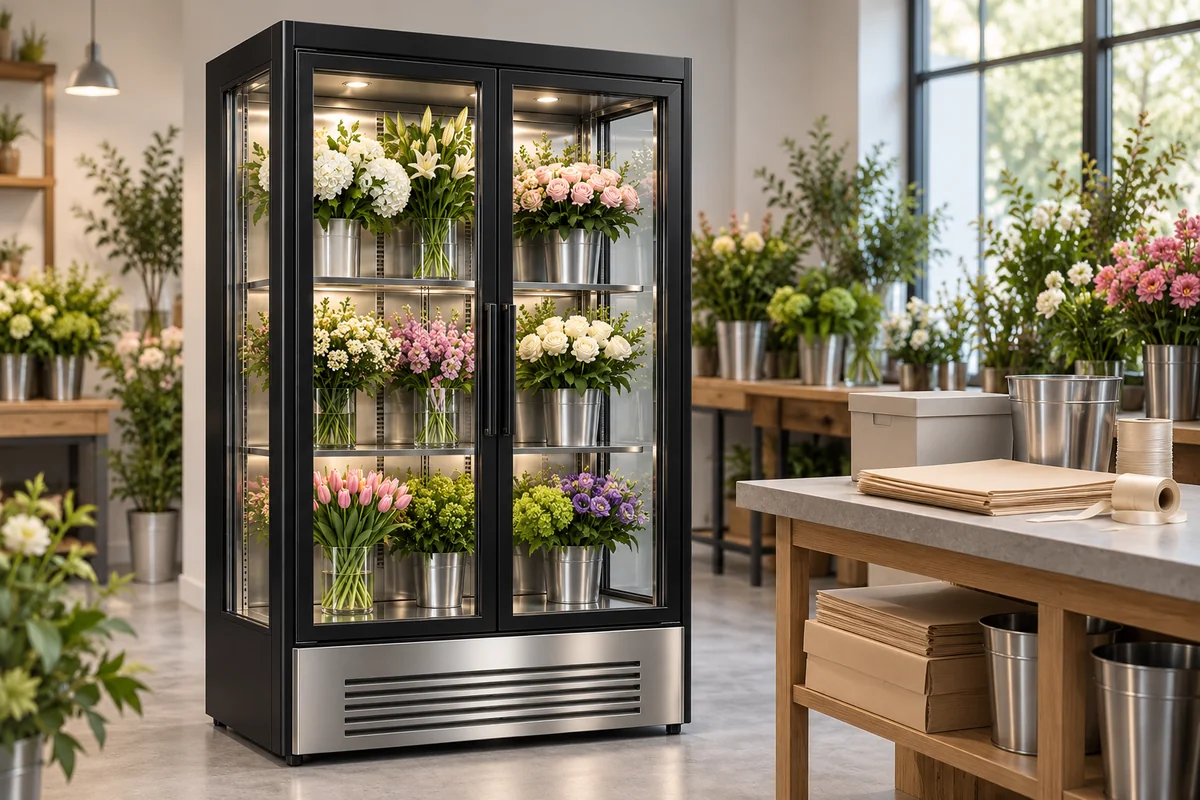
Identify bouquets that remain reserved before changing a themed display. Separate props, packaging and empty buckets, then reconcile location and display information without losing active collection references.
Read article ↗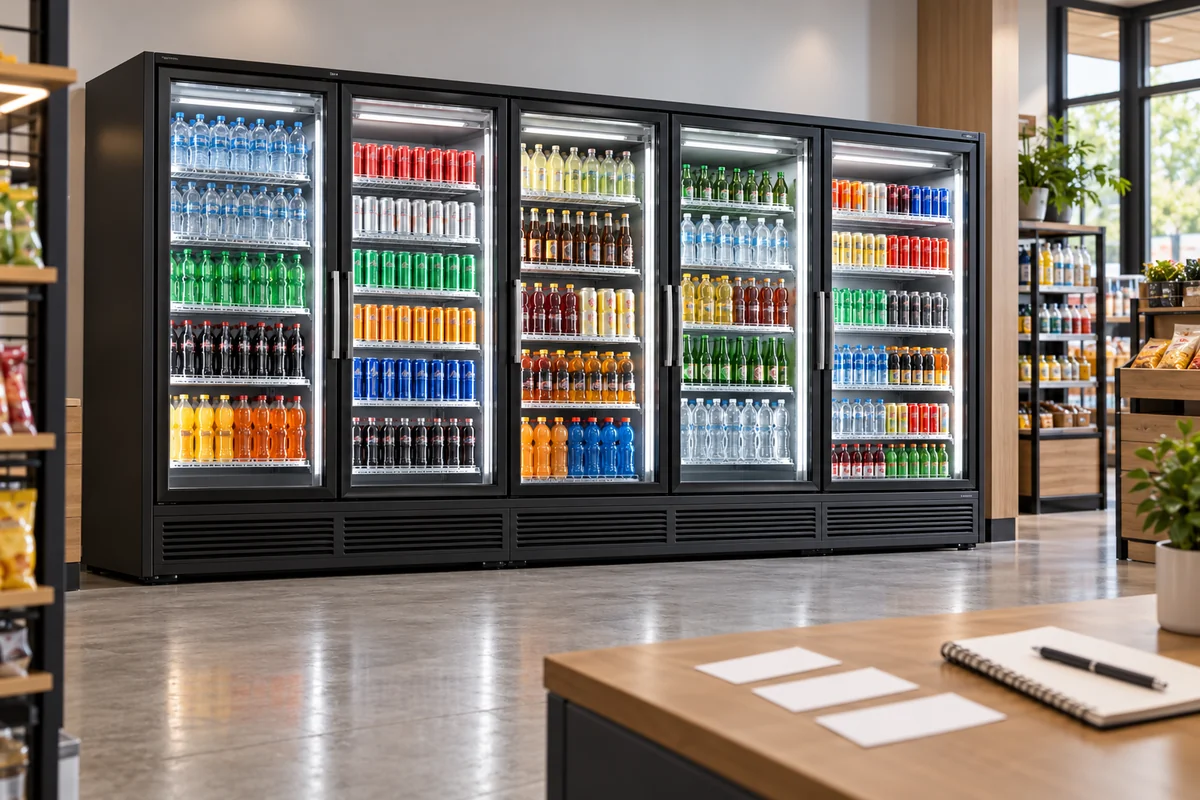
Record the actual question and location before distinguishing unavailable items, confusing names and access issues. Review site evidence without treating a single enquiry as equipment failure or a sales conclusion.
Read article ↗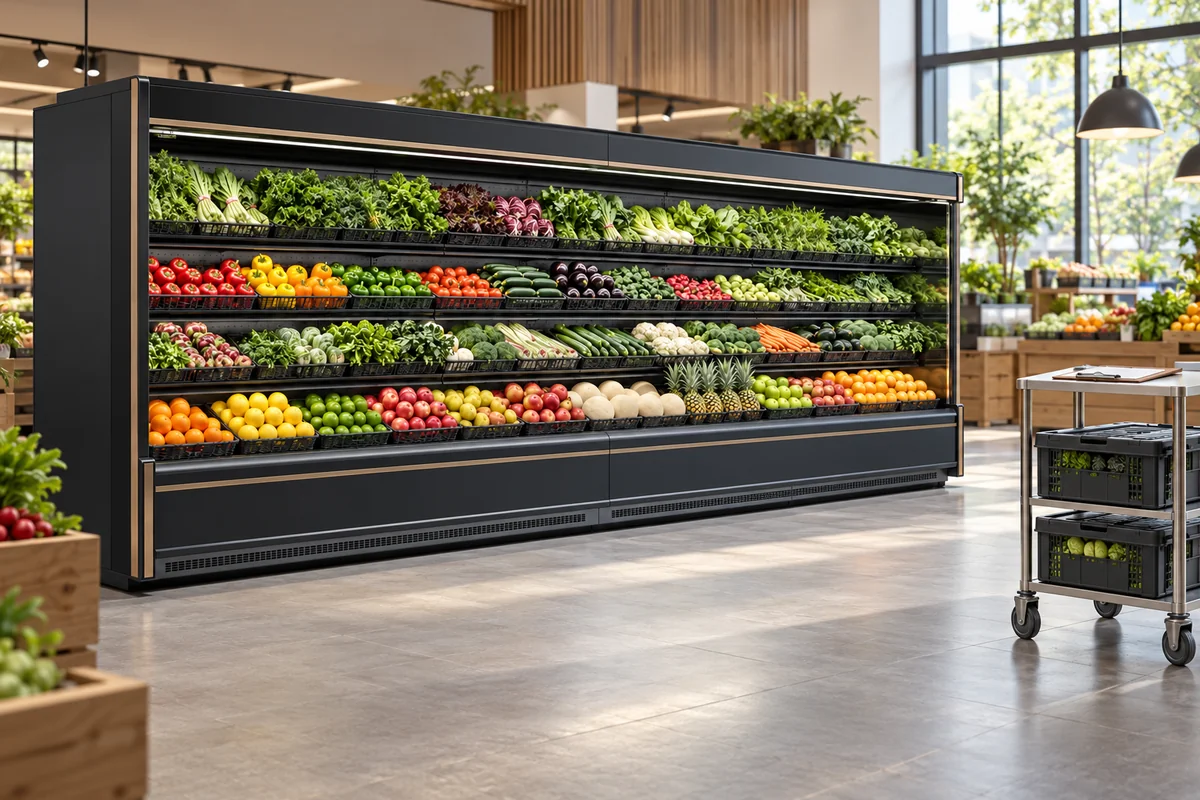
Link requested, dispatched and received states in inter-store produce transfers. Record source locations, count units, receiving positions and discrepancies without treating a request as completed receipt.
Read article ↗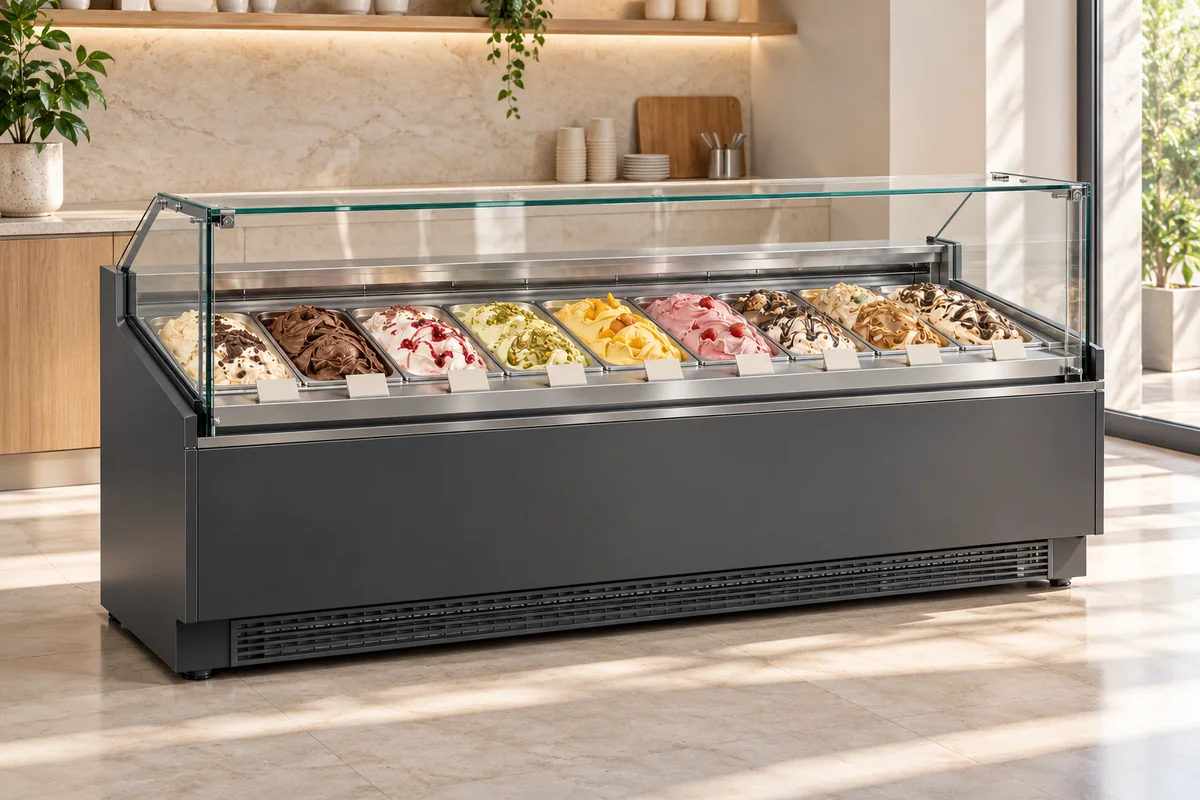
Observe from actual customer positions to review pan-edge obstruction, flavour-card correspondence and nearby objects. Identify specific blocked views before discussing display or configuration changes.
Read article ↗Leave your contact details and requirements. We will get in touch.