BAONIER / Food machinery
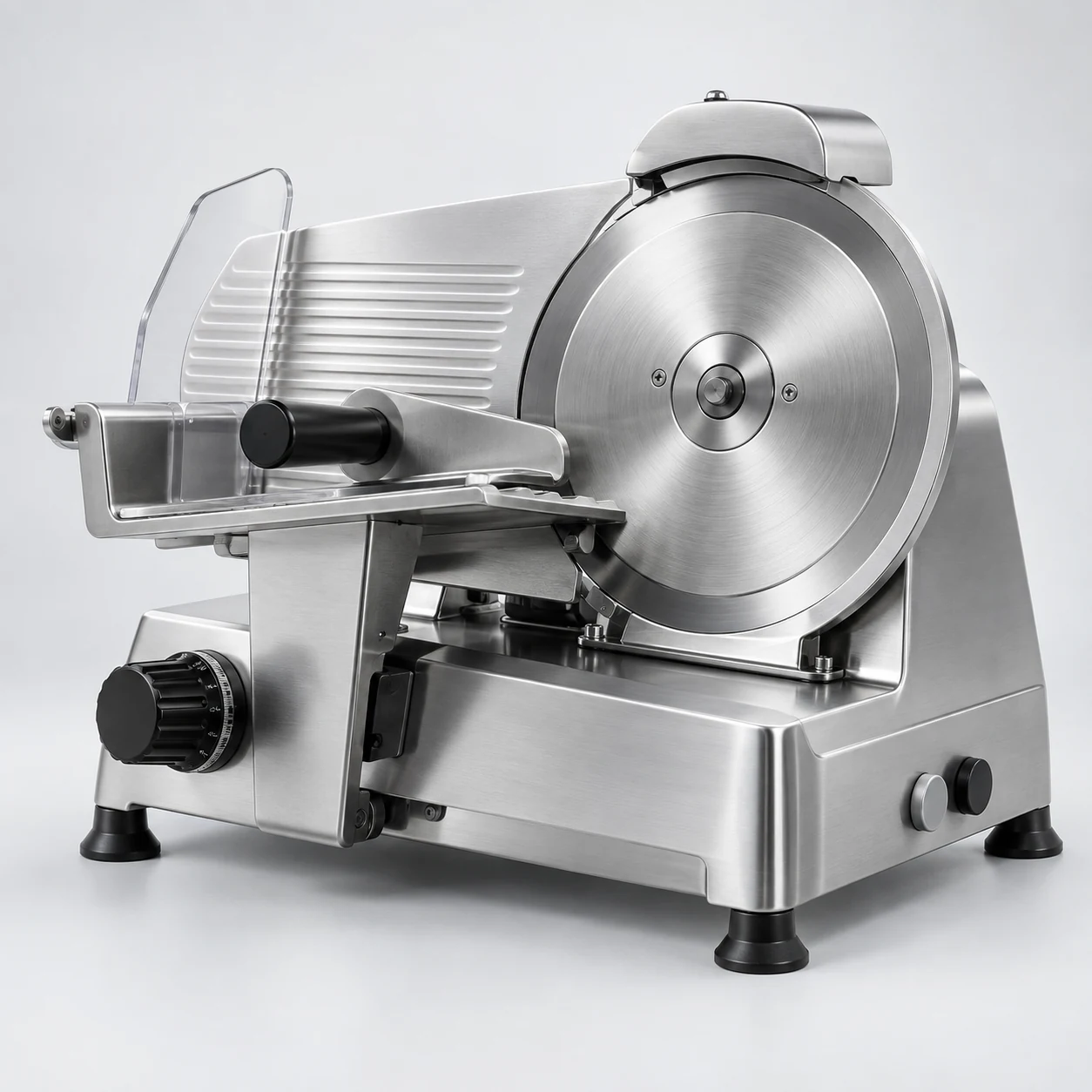
Slicers
Support food slicing workflows; select configurations for the intended ingredients.
Basic parameters
- Product
- Slicers
- Category
- Food machinery
- Application
- Food machinery environments
PRODUCT DETAILS
Product details
Choose equipment around the goods you store, the way you display them and the space available.
Slicers — display and use
Support food slicing workflows; select configurations for the intended ingredients.
Food machinery environments
Related products
Product questions
How to choose a slicer to match the actual store operating requirements?
When selecting a slicer, first clarify the business tasks, then compare the equipment appearance and configuration. For example, when a food store wants to organize the slicing processing tasks for different raw materials, the first thing to address is not how many units are needed, but how different raw materials, receiving containers, packaging materials, and processing batches should be stored, displayed, and circulated. The form of goods, personnel actions, and equipment functions are interconnected; only by clarifying these conditions clearly can there be a basis for comparison in subsequent plans.
Read more ↗What should be the placement and circulation flow around the slicers?
The layout of the slicers needs to consider both the customer side and the work side, not just placing the equipment in a floor plan as if it’s done. When a food store wants to organize the slicing processing tasks for different raw materials, actions such as viewing, picking up, replenishing, and cleaning often occur around the equipment. The focus of the planning is to ensure these actions can be seamlessly connected in the same space, rather than simply aiming for neat equipment arrangement.
Read more ↗What should be recorded during daily checks and shift handovers after the slicers are put into use?
The daily management of slicers should establish stable records based on equipment status, product display, and personnel handover. In scenarios like a food store organizing slicing processing tasks for different raw materials, it’s often difficult to reconstruct the process when only obvious issues arise. The purpose of recording is to let the next shift and service staff know what happened, rather than adding unnecessary forms.
Read more ↗Recommended news
All news ↗Selection Guide · BAONIER
When choosing slicers, specific details are required about the types and conditions of the raw materials
First, clearly identify the types and conditions of raw materials, then have the equipment provider confirm if they are suitable for use. Do not treat all ingredients as the same processing object. Before pursuing thin slices or high speed, confirm the condition of the raw materials and the range of the equipment; Defining clear task boundaries is more beneficial for selection than general requests for ‘one machine for all’.
Read article ↗Space and Display · BAONIER
Plan the slicing processing stations: how to distinguish between the processing area and the material receiving area
Arrange the positions for unprocessed materials, completed processing, and packaging separately to reduce cross-movement of containers. Before pursuing thin slices or high speed, confirm the condition of the raw materials and the range of the equipment; Defining clear task boundaries is more beneficial for selection than general requests for ‘one machine for all’.
Read article ↗Use and Management · BAONIER
During daily shift handover of the slicing machine, which processing conditions should be recorded?
Record raw materials, batches, equipment status, and shift handover details. Handle any abnormalities immediately according to usage requirements. Before pursuing thin slices or high speed, confirm the condition of the raw materials and the range of the equipment; Defining clear task boundaries is more beneficial for selection than general requests for ‘one machine for all’.
Read article ↗Procurement and Delivery · BAONIER
During delivery and acceptance of the slicing machine, confirm each item from the applicable objects to protective accessories
Check the applicable objects, accessories, protective components, and usage training of the equipment, and confirm that the manual corresponds to the actual model. Before pursuing thin slices or high speed, confirm the condition of the raw materials and the range of the equipment; Defining clear task boundaries is more beneficial for selection than general requests for ‘one machine for all’.
Read article ↗Send an inquiry
Leave your contact details and requirements. We will get in touch.