Bakery refrigeration
Cake displays
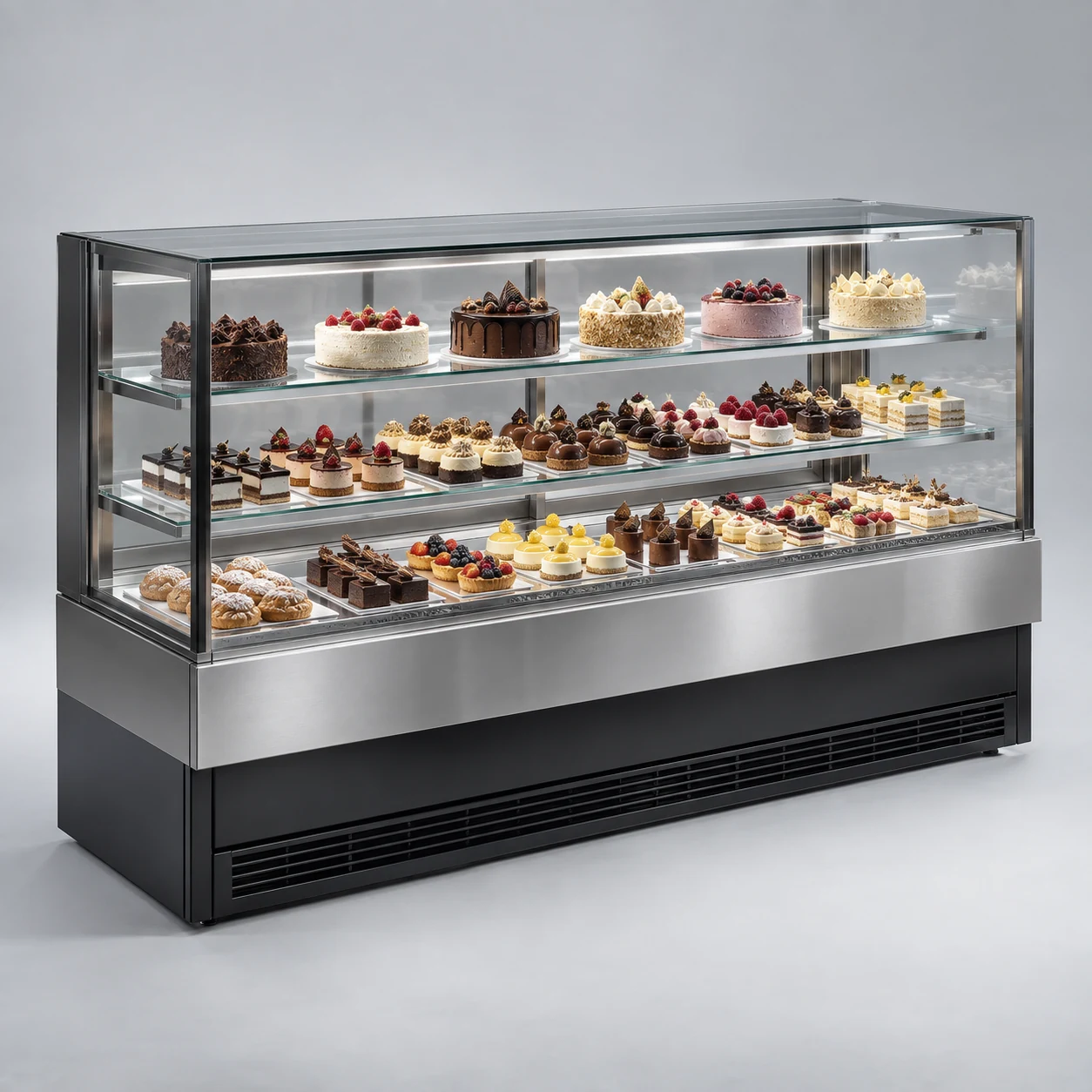
Clear tiered displays and soft lighting showcase cakes and pastries.
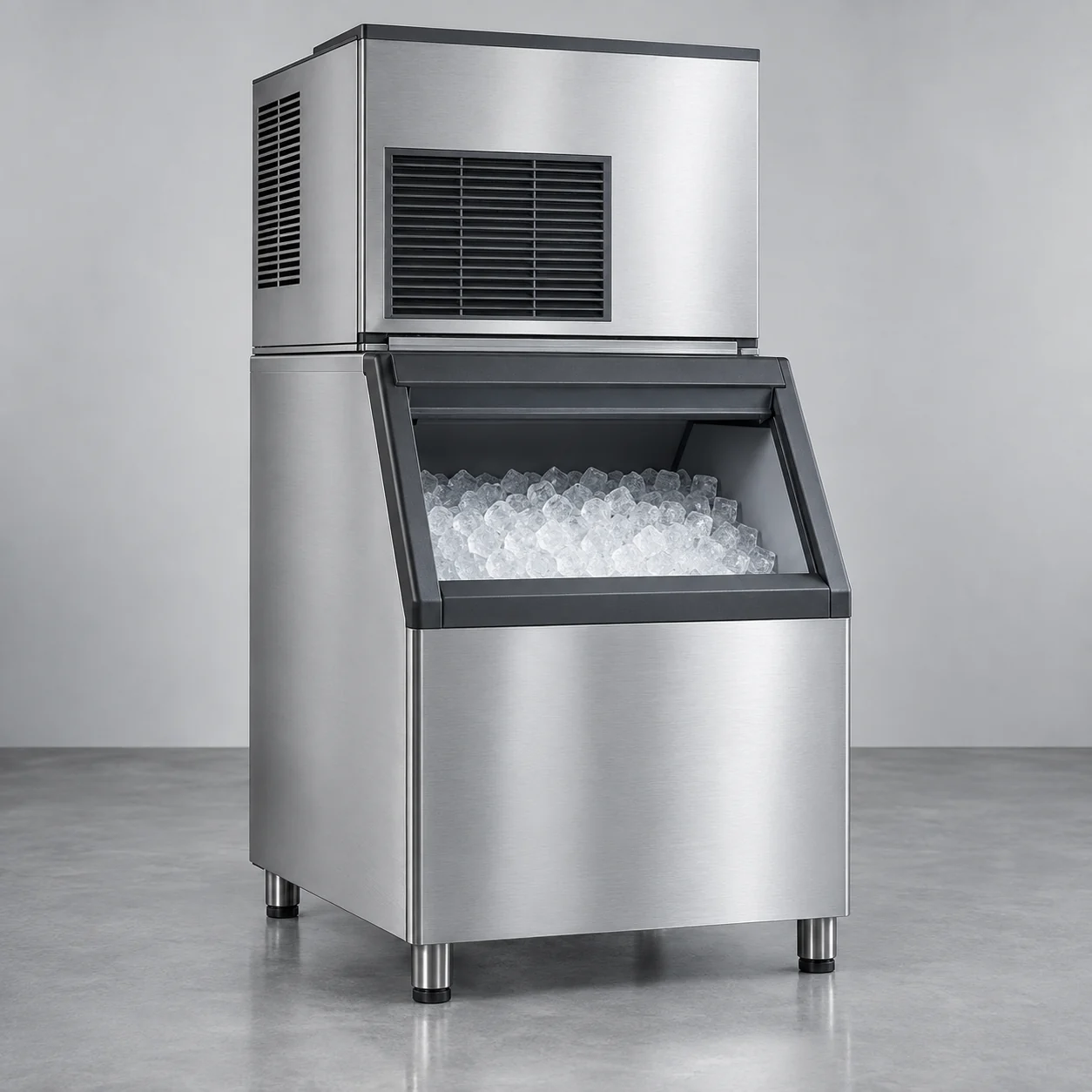
Zoned configuration for ice makers, arranged around access and everyday work.
Choose equipment around the goods you store, the way you display them and the space available.
Zoned configuration for ice makers, arranged around access and everyday work.
Compare the working arrangement with real packages, containers and staff movements. Keep display, access and preparation positions clear.
The zoned configuration arrangement should be considered together with the shop floor plan and adjacent equipment.
Record entrances, fixed structures and service access before confirming the arrangement. Check the complete loading and retrieval movement with representative containers.
Arrange stock, containers and tools by the intended task. Restore clear working positions after replenishment and record changes when the assortment or process is updated.
Follow the selected equipment instructions for operation and cleaning. Review access and accessories whenever the working arrangement changes.
| Item | Description |
|---|---|
| Product | Ice makers — Zoned configuration |
| Layout | Zoned configuration |
| Application | Commercial bakery refrigeration settings |
| Configuration | Confirm against selected model documentation |
Clear tiered displays and soft lighting showcase cakes and pastries.
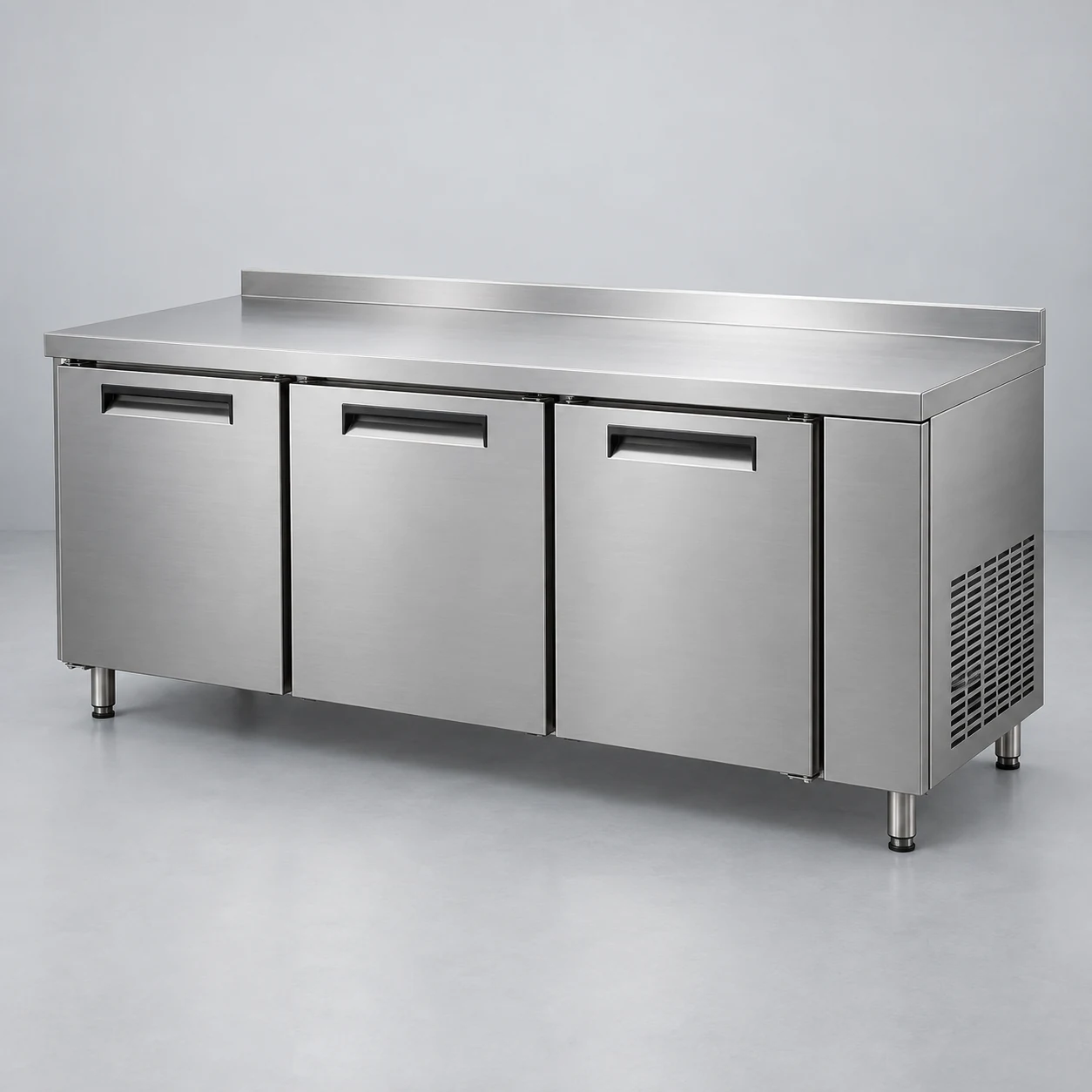
Combine preparation space and chilled storage for bakery workflows.
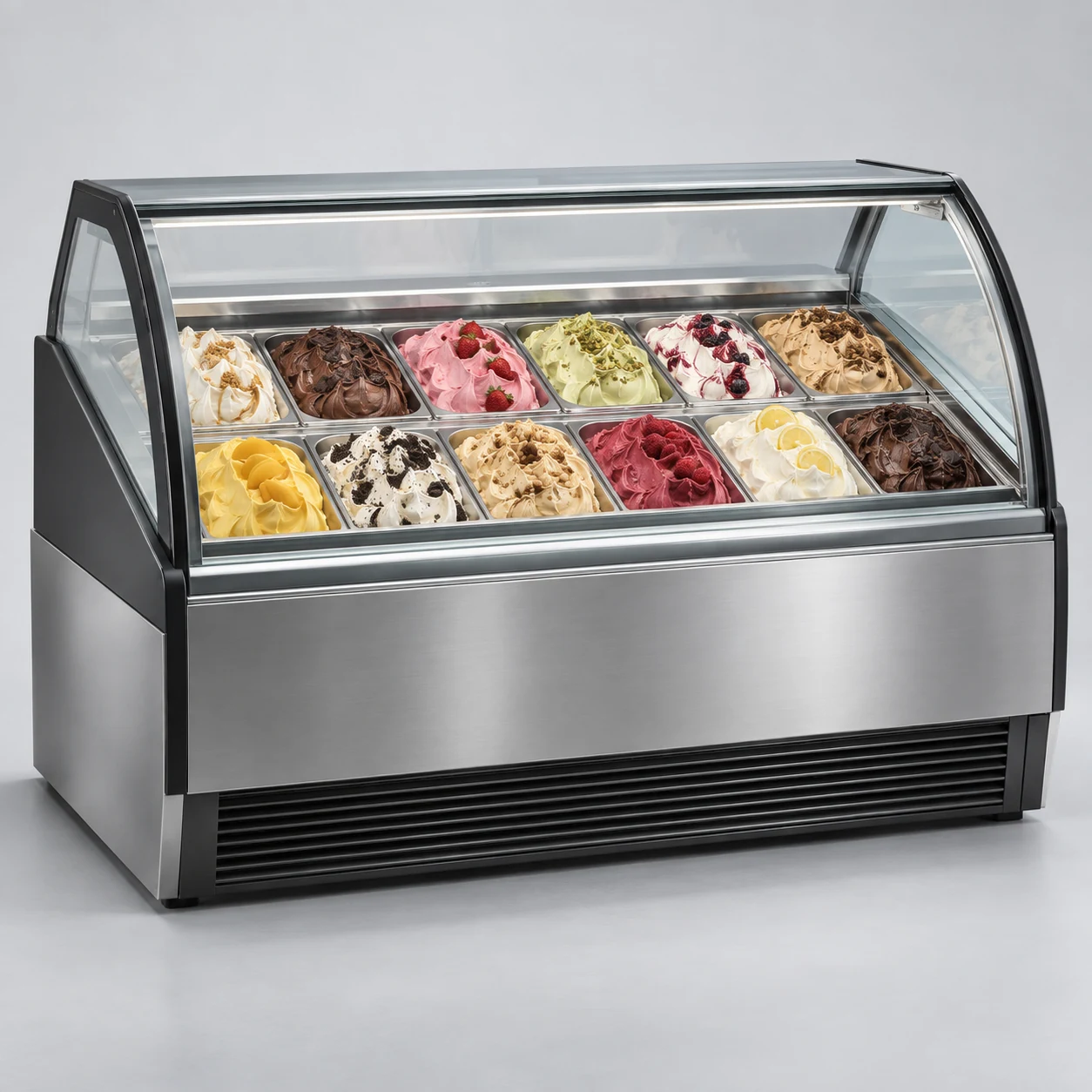
A wide transparent display presents flavours and supports serving workflows.
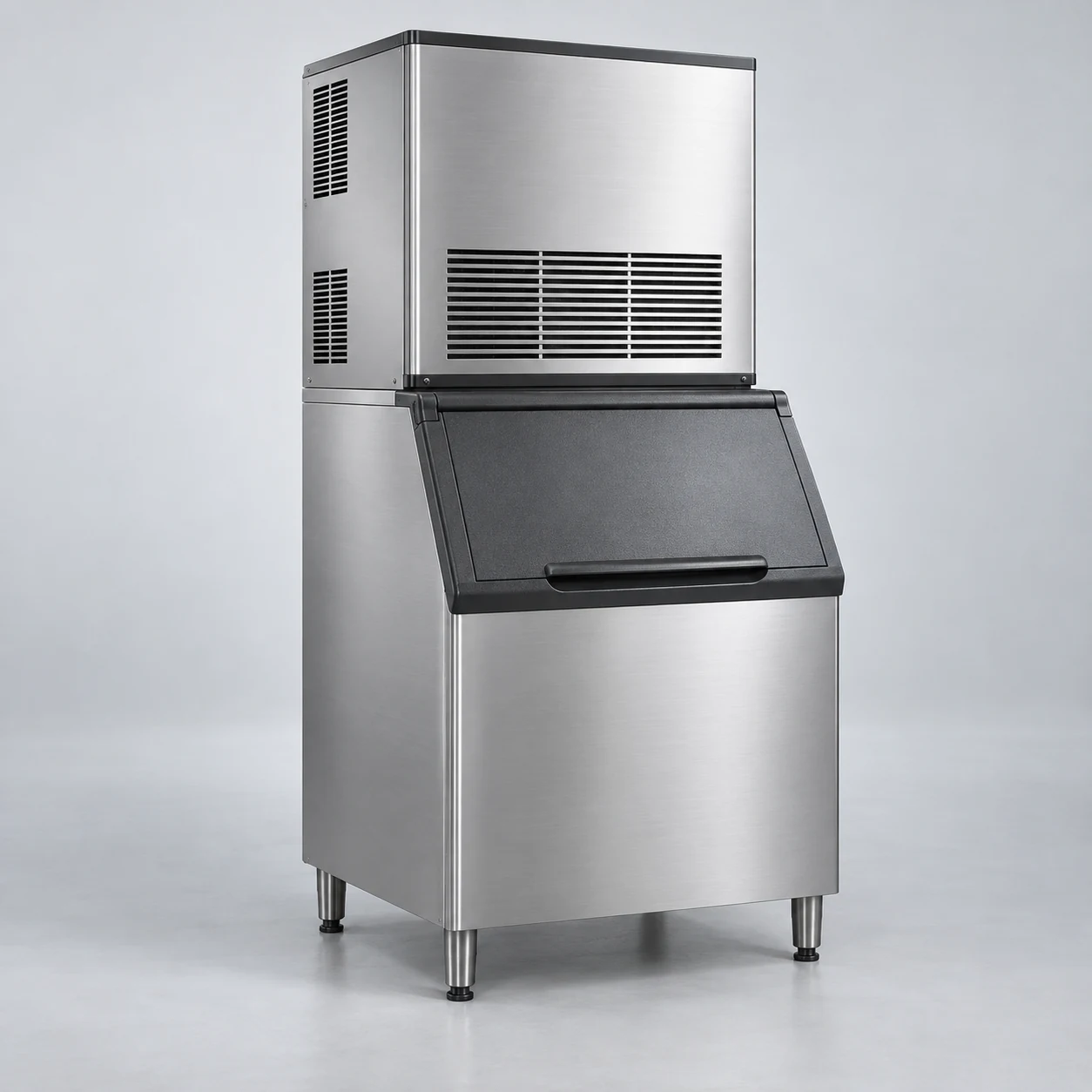
When selecting an ice maker, it is necessary to first clarify the operational requirements, and then compare the appearance and configuration of the equipment. Taking the ice demand during peak business hours in a restaurant or beverage store as an example, what needs to be organized first is not how many units to purchase, but how ice materials, ice removal containers, and storage and turnover tools for different purposes should be stored, displayed, and circulated. The form of goods, personnel actions, and equipment functions are interconnected; only by clarifying these conditions clearly can there be a basis for comparison in subsequent plans.
Read more ↗The layout of the ice maker requires consideration of both the customer side and the working side, rather than simply placing the equipment in a floor plan to consider it complete. When a restaurant or beverage store prepares for peak ice usage during business hours, actions such as viewing, retrieving, replenishing, and cleaning often occur around the equipment. The focus of the planning is to ensure these actions can be seamlessly connected in the same space, rather than simply aiming for neat equipment arrangement.
Read more ↗The daily management of the ice maker should focus on equipment status, product display, and personnel handover to establish stable records. In scenarios like restaurants or beverage stores preparing for peak ice usage, it is often difficult to reconstruct the process when only issues arise after the equipment shows obvious problems. The purpose of recording is to let the next shift and service staff know what happened, rather than adding unnecessary forms.
Read more ↗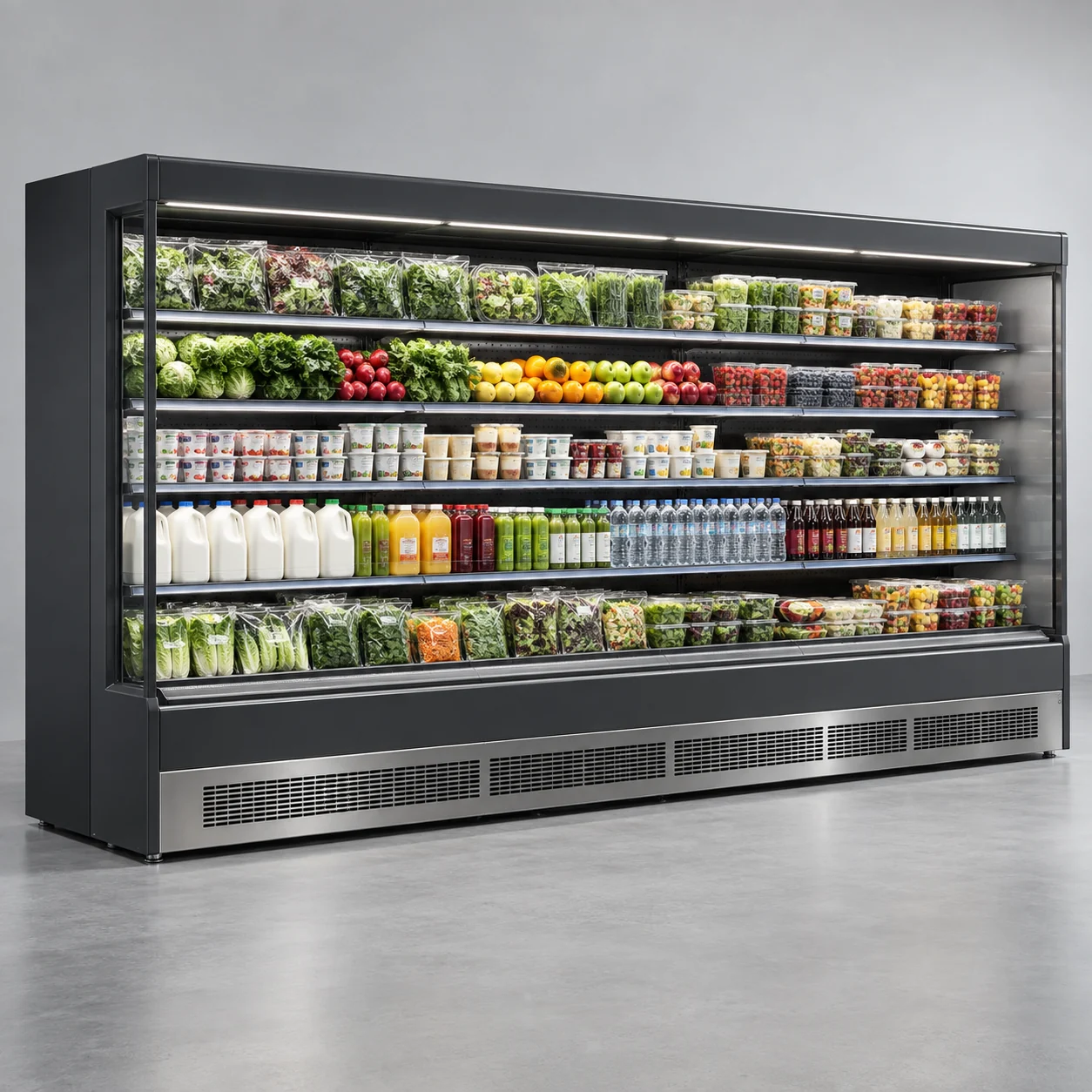
Describe the needs with the length, width and height of the packaging, the number of single rows and the replenishment interval, and then compare the display mode of the open cabinet and the door cabinet. Longer rows of cabinets are conducive to unified vision, and it may be easier to adjust by category if they are divided into multiple groups. It should be combined with the comparison of existing channels and future business changes, rather than judging by the number of cabinets alone.
Read article ↗First, determine the width of the display surface and the actual depth available, then use existing packaging to confirm the spacing between shelves; Open display emphasizes easy access, but stores should not only focus on filling the space; The visible quantity, restocking frequency, and display methods allowed by the equipment need to be determined together;
Read article ↗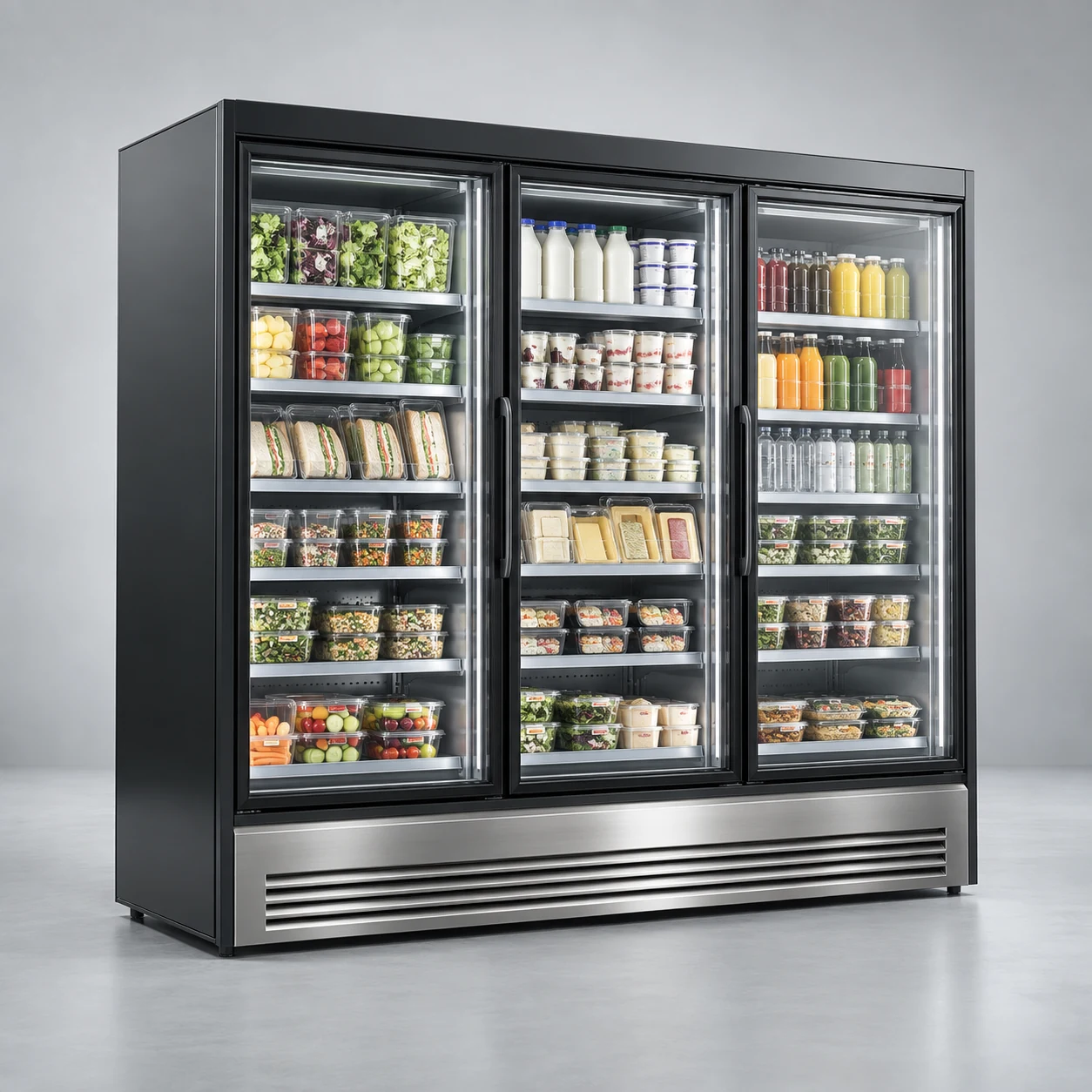
With the highest and widest standard packaging, compare the effective dimensions and adjustable features of the inner shelf. Choosing a wider door doesn’t necessarily make picking easier; It is necessary to consider the single-pick range, front movement space, and different employees’ operating habits simultaneously.
Read article ↗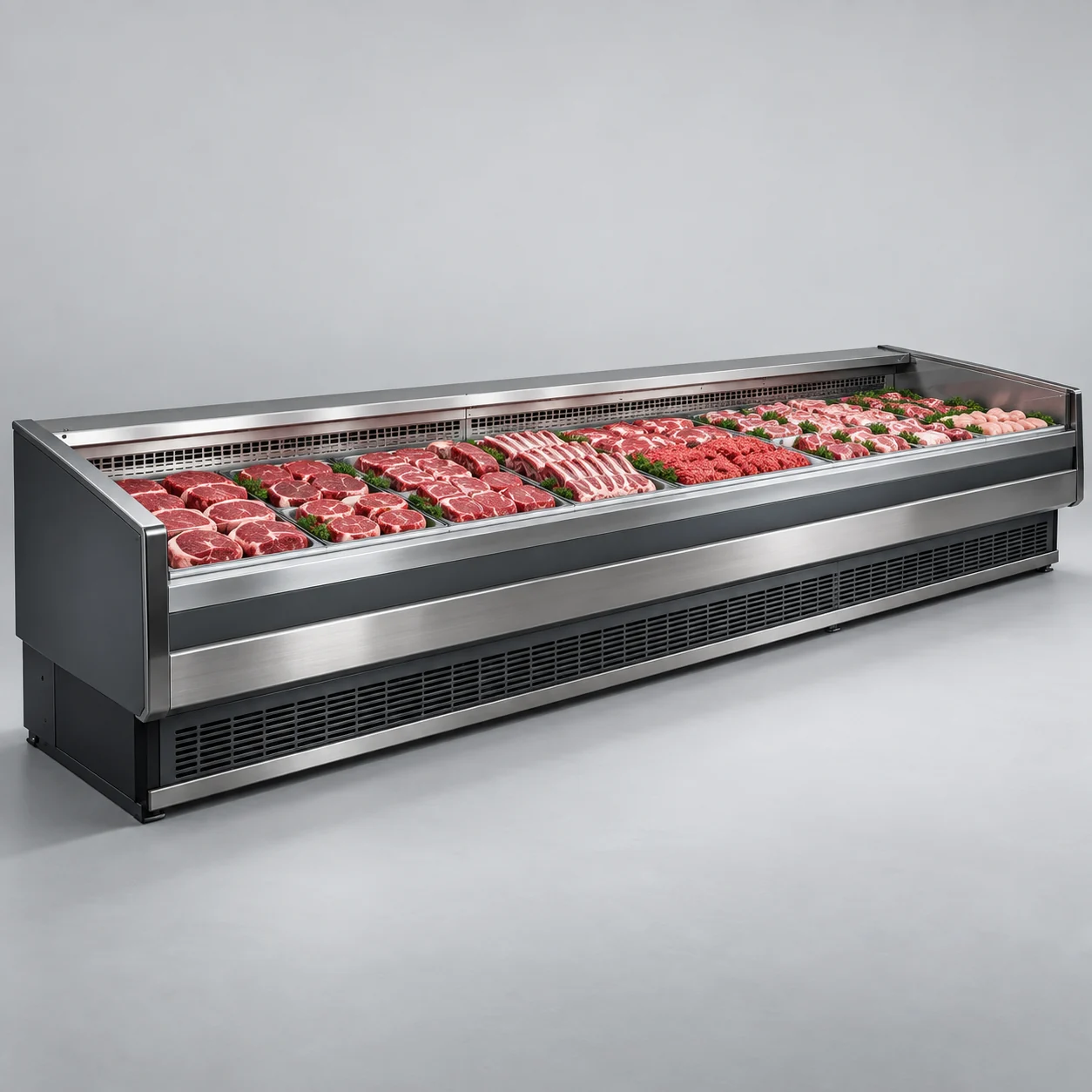
Differentiate between service-based picking and customer self-picking based on the sales method, then confirm pallet dimensions and required display area. Customers want to see more parts, while employees want to pick trays more efficiently; A suitable arrangement between display levels and rear operation depth is needed for the store.
Read article ↗Leave your contact details and requirements. We will get in touch.