After the cold storage is put into use, what should be recorded during daily inspections and shift handovers?
The daily management of a cold storage facility should focus on maintaining stable records related to equipment status, product display, and personnel handover. For store scenarios where independent cold or frozen storage spaces are needed for daily turnover, information is only sought after obvious equipment issues, making it difficult to reconstruct the change process. The purpose of recording is to let the next shift and service staff know what happened, rather than adding unnecessary forms.
Create a table mapping storage locations to batches, recording inbound, relocation, inventory, and abnormal situations separately. When temperature or door-related issues occur, retain the operational context at that time, assign qualified personnel to handle them, and prevent unrelated individuals from making changes to the equipment on their own. The checklist should be divided into three stages: before start-up, during operation, and after completion, but specific items must align with the equipment manual and store procedures. Inspectors should identify the corresponding equipment number and location, describe observable phenomena, rather than simply stating 'normal' or 'abnormal'.
It is assumed that a new set of shelves was added to the cold storage later, but the original floor plan was not updated. New staff may search for products in old storage areas, and service staff may have difficulty understanding changes on site. Every adjustment should simultaneously record storage locations, aisles, and accessible areas. To distinguish between one-time changes and recurring issues, use the same number and description for the same problem consistently. Photos can help illustrate the situation, but the time period, relevant actions, and background should also be recorded to avoid making conclusions based solely on a partial image.
The cleaning schedule should also take into account the handling of entire boxes, turnover baskets, shelves, and batch labels. First, handle the items and containers according to store regulations, then clean the equipment as specified in the equipment documents; Do not treat unknown detergents, disassembly methods, or temporary modifications as standard practices. Matters involving energy, electrical, or mechanical components should be handled by qualified personnel, and staff should not bypass equipment requirements to resume operations on their own.
For the same storage quantity, different space requirements may be needed under full pallet and manual box handling methods; Before procurement, the actual handling methods must be clearly explained. During shift changes, emphasize the adjusted locations, unfinished tasks, and issues that need follow-up for that day. When there is an abnormal status, record the model, symptom, time, and measures taken, and contact the supplier or professional service personnel; The handling of specific products shall follow the store management requirements. Regularly review records and prioritize resolving recurring operation and handover issues. Do not replace cause investigation with frequent changes to device settings.
Related products
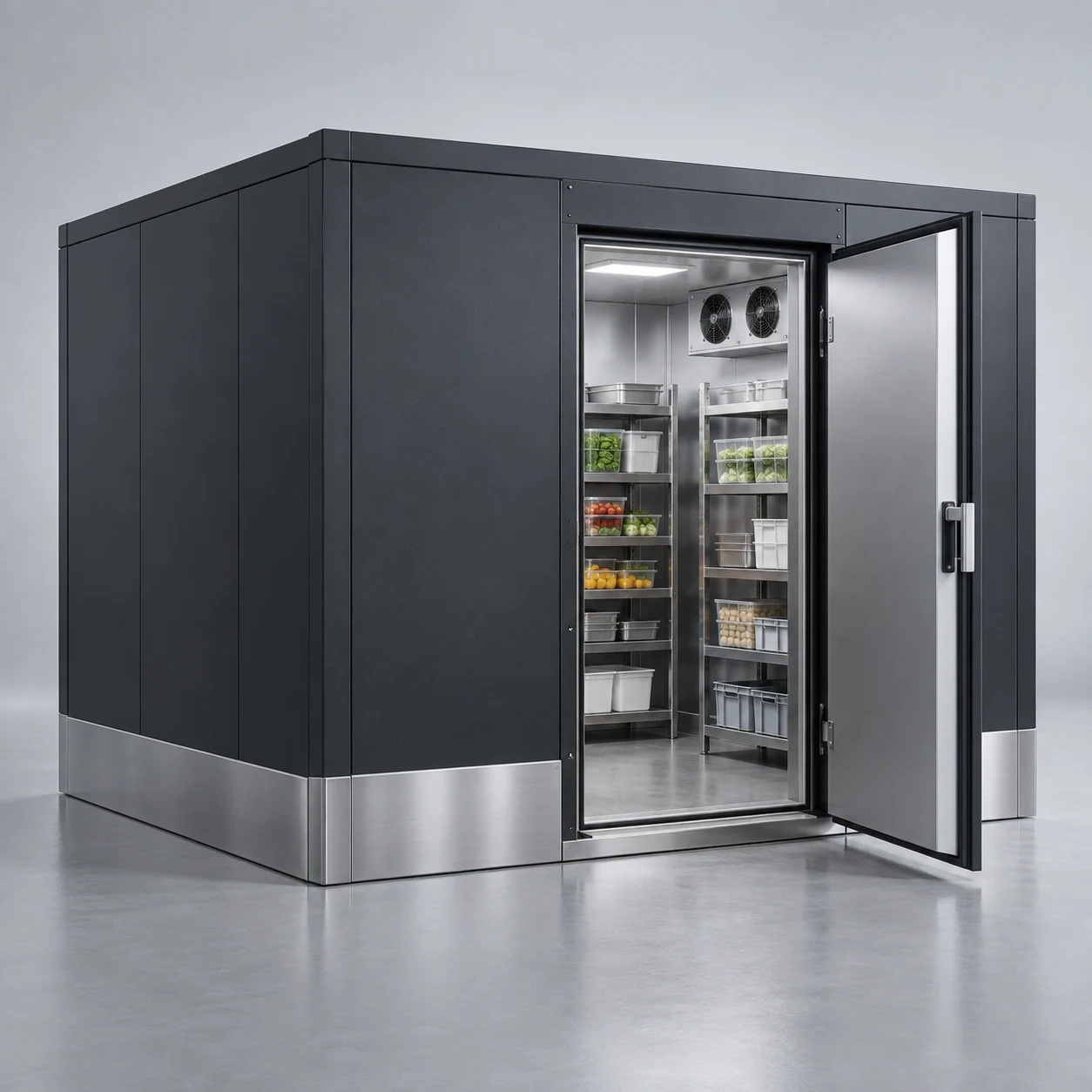 Supermarket refrigeration
Cold rooms
A modular storage concept planned around goods, movement and site conditions.