Plan the slicing processing stations: how to distinguish between the processing area and the material receiving area
Arrange the positions for unprocessed materials, completed processing, and packaging separately to reduce cross-movement of containers. Before pursuing thin slices or high speed, confirm the condition of the raw materials and the range of the equipment; Defining clear task boundaries is more beneficial for selection than general requests for ‘one machine for all’.
Start drawing by depicting the movement of people and items
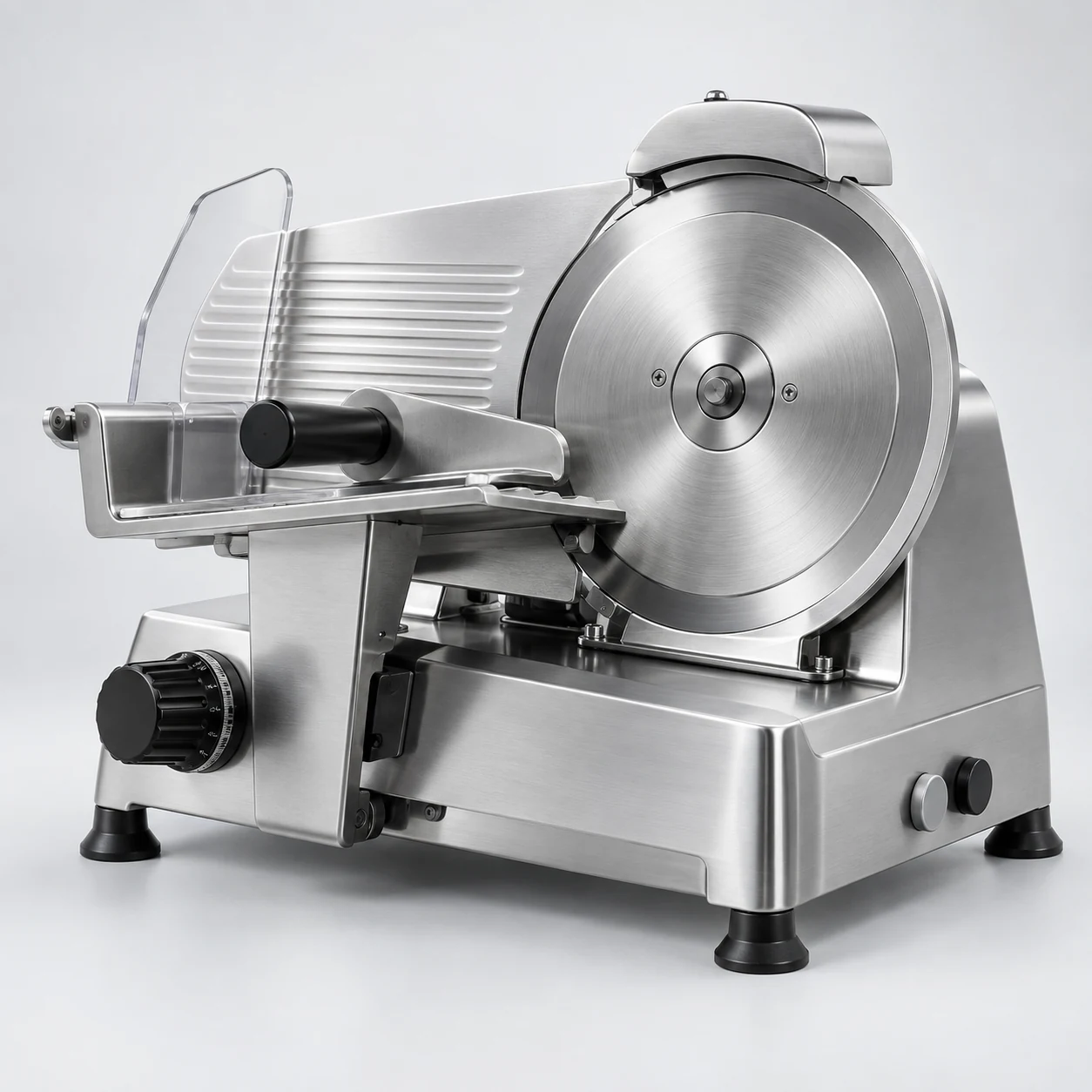
Food stores want to organize slice processing tasks for different raw materials. The location of the slicer affects viewing, operation, and turnover simultaneously. When discussing the layout, if only a rectangle is placed on the floor plan, it’s easy to miss the movement ranges of doors, personnel, and containers. Arrange the positions for unprocessed materials, completed processing, and packaging separately to reduce cross-movement of containers. The operating space and protection requirements are specified in the equipment manual; no necessary space should be reduced just to make it closer to other surfaces. The issue is not just ensuring the equipment fits properly, but ensuring it works well with surrounding processes during actual operation.
When drawing the first draft sketch, you can use lines to represent the movement of customers, staff, and items separately. This involves raw materials in different forms, receiving containers, packaging materials, and processing batches. Their entry and exit methods and resting positions are not exactly the same. Separate the regular paths from occasional paths, with special attention to actions that occur simultaneously during peak times; Positions that seem non-conflicting in normal use may need rearrangement when used by two people.
Distinguish between the equipment boundary and the operable boundary
The equipment diagram indicates a fixed footprint, but the actual layout must also accommodate handling, opening, organizing, and necessary service areas. First, clearly identify the types and conditions of raw materials, then have the equipment provider confirm if they are suitable for use. Do not treat all ingredients as the same processing object. Thickness requirements, batch scale, and subsequent packaging methods should be included in the consultation documents together. After including these compatibility conditions in the drawings, it is necessary to indicate which dimensions come from the equipment documentation, which are measured on-site, and which still need confirmation. Using different colors to distinguish sources can reduce discrepancies between the design drawings and on-site understanding.
The fixed positions on the layout diagram must be tested when items change. Taking the slicer as an example, if the types and conditions of raw materials planned for processing change, it is necessary to recheck the applicable range of the slicer. Requirements for thickness and output performance should be explained in relation to specific raw materials, and cannot be just an abstract goal. When transforming this scenario into observable steps, first establish the identities of items and personnel, then outline the points of interaction. After testing the arrangements, record where pauses are necessary, where accessibility must be maintained, and whether adjustments affect the next task. Confirm the device’s appearance, store decoration, and operating space on the same drawing, so on-site personnel can execute tasks consistently.
Make a justified choice between display and operation.
Before pursuing thin slices or high speed, confirm the condition of the raw materials and the range of the equipment; Defining clear task boundaries is more beneficial for selection than general requests for ‘one machine for all’. Prepare two distinct placement schemes: one prioritizing the main viewing area, and another prioritizing minimizing repeated handling. Have users walk through each step individually, then record whether pauses, turns, or detours are required at each step. Comparisons should focus on actions, not just voting for the most attractive image.
When simulating peak usage, include adjacent processes together in the image. Take the slicing machine as an example. Suppose the material receiving position is too close to the container to be processed, requiring employees to repeatedly identify items during task switching. First, define area labels and container arrangements, then users should follow the standard procedures demonstrated by trained personnel. When transforming this scenario into observable steps, first establish the identities of items and personnel, then outline the points of interaction. After testing the arrangements, record where pauses are necessary, where accessibility must be maintained, and whether adjustments affect the next task. Confirm the device’s appearance, store decoration, and operating space on the same drawing, so on-site personnel can execute tasks consistently.
Inspect the drawings during the business operation process, rather than only focusing on the opening status
Record raw materials, batches, equipment status, and shift handover details. Handle any abnormalities immediately according to usage requirements. Tool-related operations, disassembly, and maintenance should be carried out by qualified personnel according to instructions, without turning personal practices into universal steps. These records can help verify the layout in reverse: which areas often need to be temporarily cleared, which items have no fixed place, and which routes are occupied by restocking activities. For recurring issues, investigate whether it's due to poor positioning, insufficient labeling, or unclear responsibilities, and avoid attributing all problems to the equipment size.
Whether a layout can be used long-term also depends on how subsequent changes are managed. In the case of the slicing machine, if there are differences in slicing results compared to previous times, record the raw materials, batch, and the equipment status at that time. Tool-related operations should be performed by qualified personnel following specific instructions; self-disassembly should not be considered a routine check. When transforming this scenario into observable steps, first establish the identities of items and personnel, then outline the points of interaction. After testing the arrangements, record where pauses are necessary, where accessibility must be maintained, and whether adjustments affect the next task. Confirm the device’s appearance, store decoration, and operating space on the same drawing, so on-site personnel can execute tasks consistently.
Turn the arrangements tested in practice into a consensus on site
Check the applicable objects, accessories, protective components, and usage training of the equipment, and confirm that the manual corresponds to the actual model. The raw materials shown in the sample diagram cannot replace the confirmation of suitability for specific ingredients. After the layout is finalized, assign numbers to the equipment and adjacent workstations, note the confirmation date, and ensure all relevant personnel use the same version of the drawings. When dimensions or configurations change, make corresponding modifications. Old diagrams should be clearly marked to prevent ongoing construction or receiving at expired positions on site.
BAONIER recommends providing floor plans, on-site photos, and representative container sizes together during product communication. For the slicer, a executable layout description should address where items come from, who uses them, where they go after use, and which locations must remain accessible. By translating these questions into specific actions, the equipment becomes a stable working position within the business process, rather than a source of constant detours and temporary adjustments.